

4 Money Card Games | Identifying & Counting Coin Values | 1st & 2nd Grade
Recommended Grade Level:
Type of Resource: PDF
Number of Pages: 55

You must be an Annual or Forever Member to Access this Resource.
Join the Life Over C’s Club to Access

Already a member? Login below:
Coordinating Activities
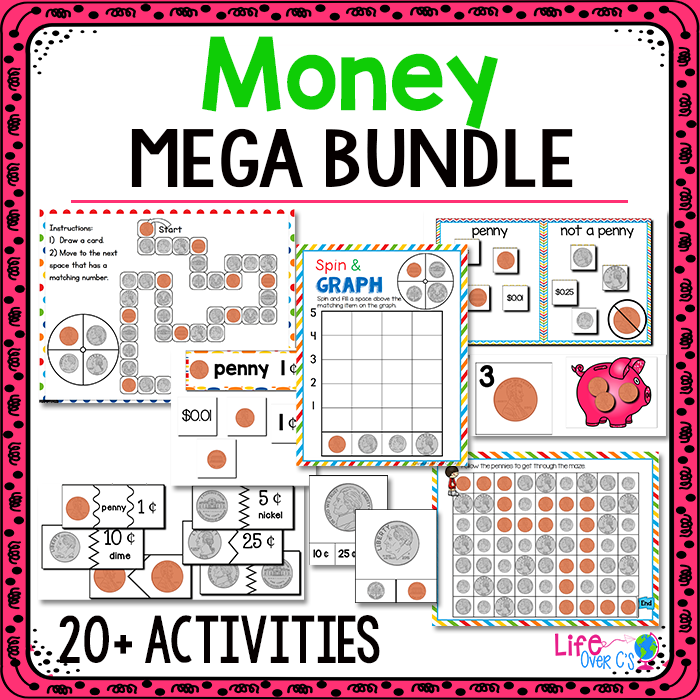


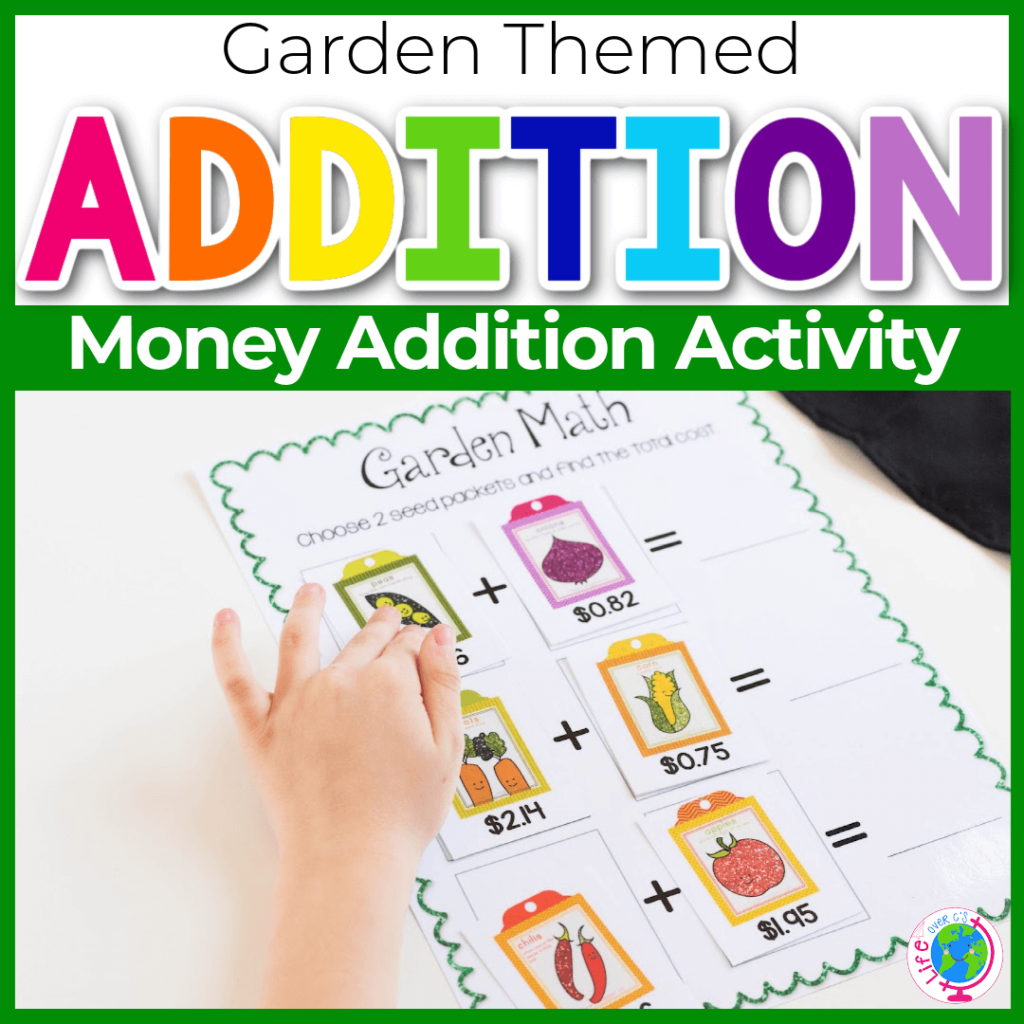


What's Included
Fifteen Leveled Money Card Sets
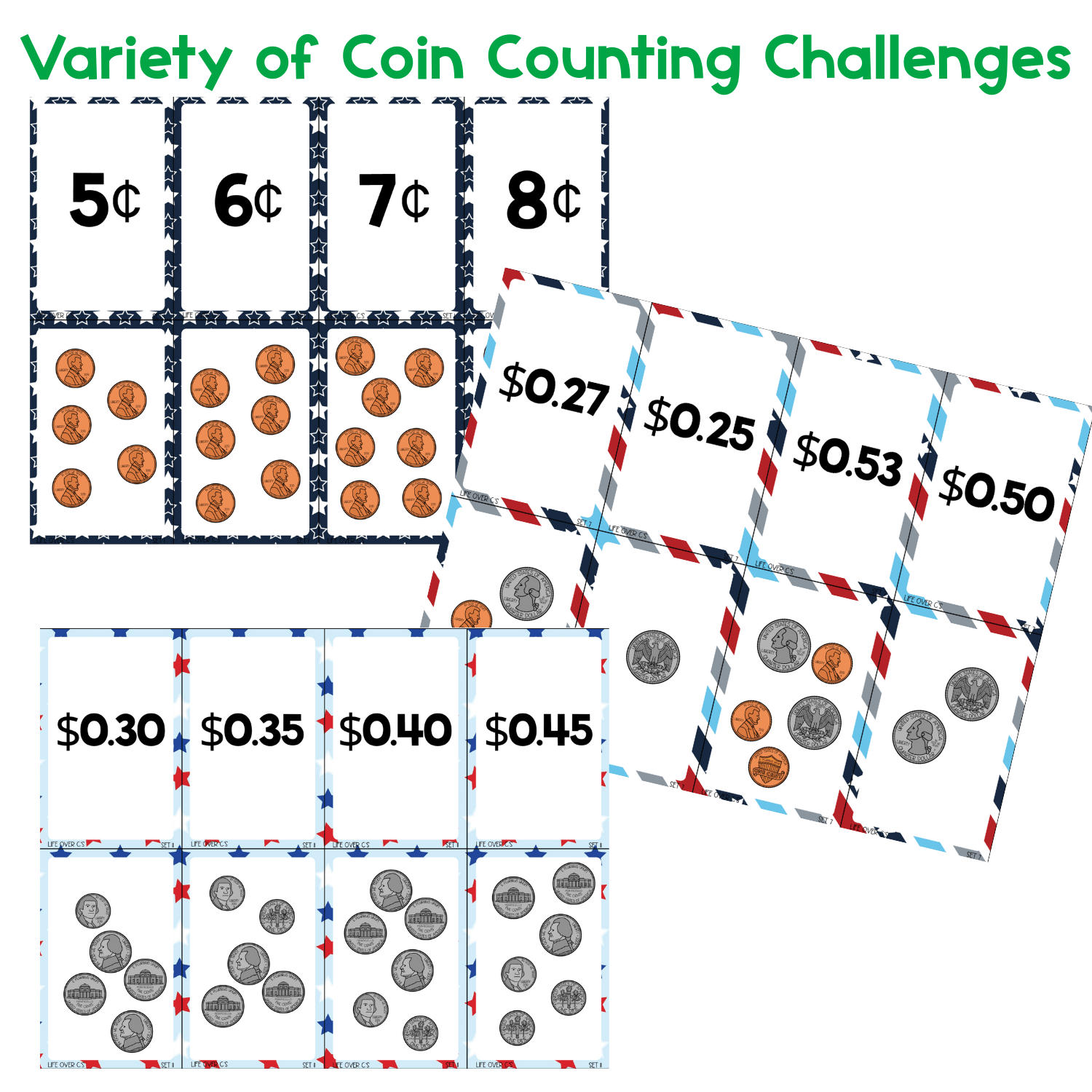
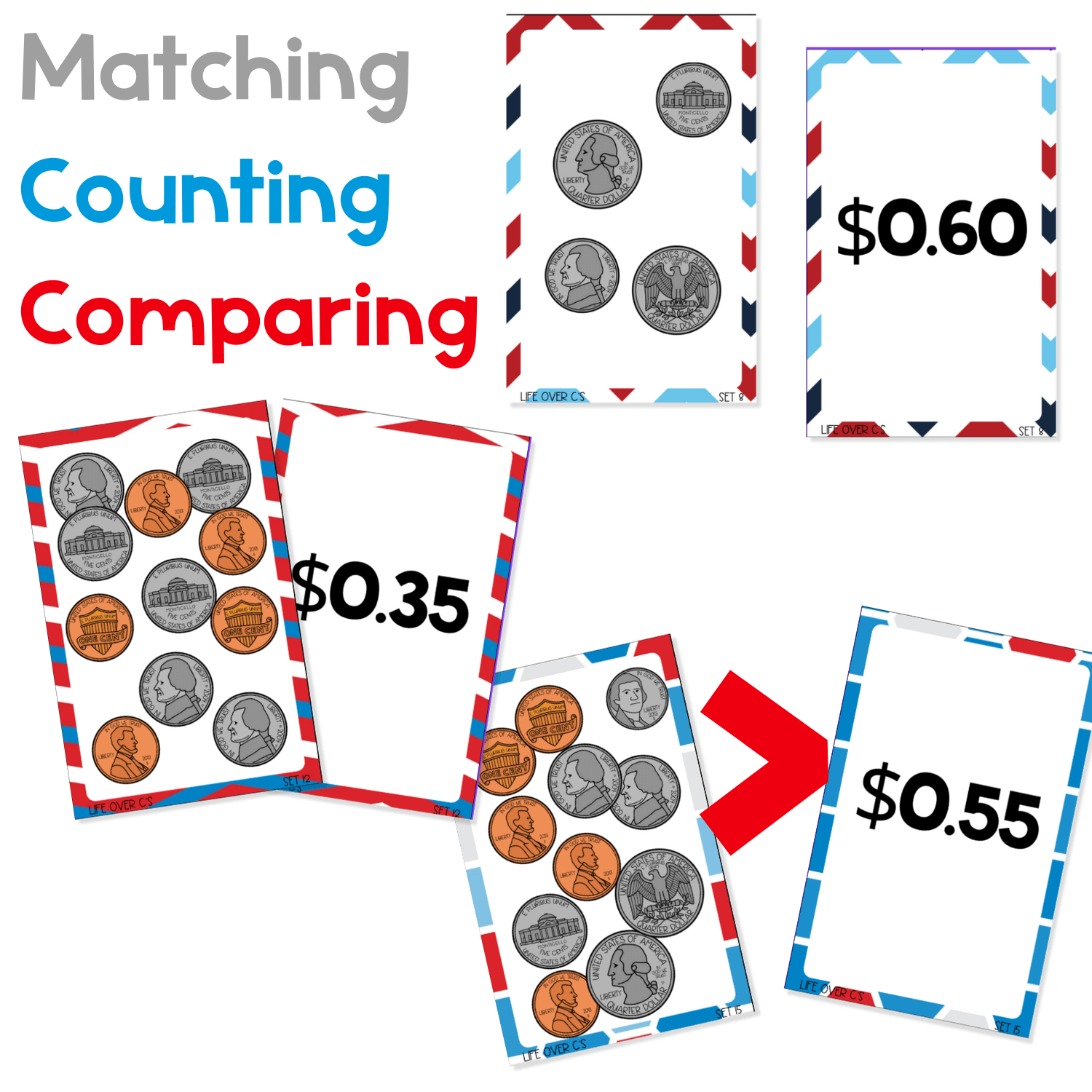
Each level includes matching pairs showing a written money value and the corresponding coin collection. The levels increase in difficulty so kids can progress at their own pace. These sets are ideal for:
• Identifying coins
• Counting coin collections
• Matching money values
• Comparing amounts
• Building real-world financial literacy
Because the cards stay consistent across all 15 levels, kids quickly understand the routine and gain confidence day by day.
Required Materials:
- Laminator
- Paper Cutter
- Paper, Printer, Ink
🎯 Learning Standards Addressed
Common Core Math Standards (CCSS)
CCSS.MATH.CONTENT.1.MD.C.4: Organize, represent, and interpret data; compare values.
CCSS.MATH.CONTENT.2.MD.C.8: Solve word problems involving dollar bills, quarters, dimes, nickels, and pennies using the $ and ¢ symbols.
CCSS.MATH.PRACTICE.MP2: Reason abstractly and quantitatively while recognizing coin values.
CCSS.MATH.CONTENT.1.OA.A: Use addition strategies when combining coin values.
Texas TEKS – Grade 1 & 2 Mathematics (2022)
§111.3.b.7.A: Identify US coins by name, value, and appearance.
§111.3.b.7.B: Count collections of pennies, nickels, and dimes.
§111.4.b.7.A: Represent the value of coins using the ¢ symbol.
§111.4.b.7.B: Determine the value of a set of coins up to one dollar.
Virginia Mathematics Standards of Learning (SOL)
1.8: Identify and count pennies, nickels, dimes, and quarters and determine the value of a collection.
2.8: Count and compare collections of coins up to $2.00.
K.4 (Foundational Support): Recognize US coins and understand that different coins represent different values.
Virginia Early Learning & Development Standards (ELDS, 2021)
COG2.2a: Sort and classify objects (applies to sorting and matching coin values).
MAT3.1d: Begin to use nonstandard and standard units, including money, during play-based experiences.
MAT3.2a: Demonstrate emerging number sense by recognizing amounts and comparing quantities.
Skills Students Build While Playing
Money & Coin Identification
• Recognizing pennies, nickels, dimes, and quarters
• Identifying coins by value and appearance
• Connecting real coin pictures to money amounts
Counting & Value Recognition
• Counting mixed coin collections
• Understanding how coins combine to create new values
• Strengthening mental coin-value recognition
• Building fluency with everyday US coin values
Math Thinking & Classroom Readiness
• Comparing amounts
• Sorting by value
• Quick recognition and matching
• Social skills during partner and group games
4 Money Card Games | Identifying & Counting Coins | Leveled | 1st and 2nd Grade
Teaching money in 1st and 2nd grade does not have to be stressful or worksheet-heavy. These Money Card Games make practicing counting coins, identifying US coins, and matching coin values feel like playtime instead of math time. You’ll get cheers, not groans.
Each card shows either a realistic coin collection or a matching money value, so kids can build confidence simply by comparing, matching, and recognizing coin amounts. No written computation. No pencil-and-paper steps. Just hands-on practice through meaningful repetition.
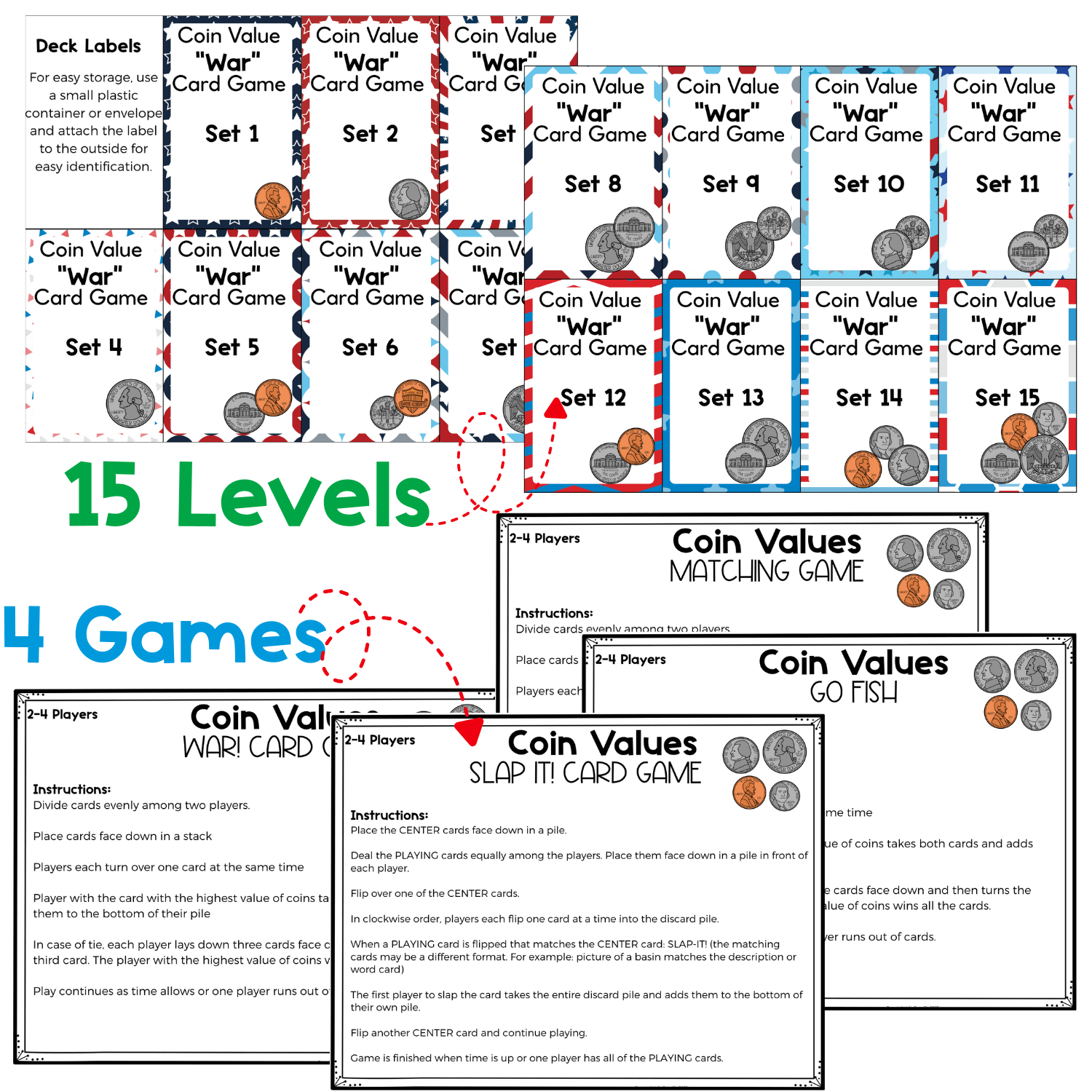
And because the set includes 15 leveled decks, you can support every learner in your room at exactly the right stage. Your students start with basic penny and nickel amounts and grow into mixed coin collections that reach over three dollars. It’s real differentiation without extra prep.
Perfect for math centers, partner games, morning tubs, early finishers, small groups, special education, and every moment you want math to feel accessible and fun.
Four Hands-On Money Games
All four games use the same cards, which means less prep, less storage, and more learning.
1. Money War
Students flip two cards, compare coin values, and the highest total wins. Quick, fun, and perfect for repeated practice with recognizing coin amounts.
2. Money Slap-It
Place one card in the center and players race to slap the matching card from their own pile. It’s fast-paced and incredibly motivating. Great for fluency with identifying coins and matching values.
3. Money Matching Game
Students match the coin collection card to the written value card. It builds visual discrimination, recognition of coin amounts, and instant recall of money values.
4. Money Go Fish
Students ask each other for matching value cards to complete pairs. A familiar structure that makes practicing money skills feel comfortable and confidence-building.
Additional Ways to Use These Money Cards
Here are accurate, game-aligned ideas that don’t rely on solving or writing:
Value Match Mystery Draw
Students draw a card and walk around the room to find the partner holding the matching pair. Great for movement.
Greater Than / Less Than Sort
Place several value cards on the table. Students sort coin-picture cards into groups based on which written value they match.
Coin Identification Mini-Lesson
Use a few cards to highlight how different coin combinations can equal the same amount.
Center Rotation Choice Boards
Let students pick which money game they want to play. All four games provide meaningful practice with counting coins and matching values.
Small Group Warm-Up
Pull 6–8 cards and have students name the coins they see or state the value aloud. Quick oral practice.
Independent Matching Mats
Students place pairs together during calm-down time or early finishers.
No solving. No worksheets. Just hands-on financial literacy practice that feels like play.