I Spy “Flip” Board Game: Real Life At Home
Recommended Grade Level:
Type of Resource: PDF
Number of Pages: 21

You must be a Monthly, Annual or Forever Member to Access this Resource.
Join the Life Over C’s Club to Access

Already a member? Login below:
Coordinating Activities
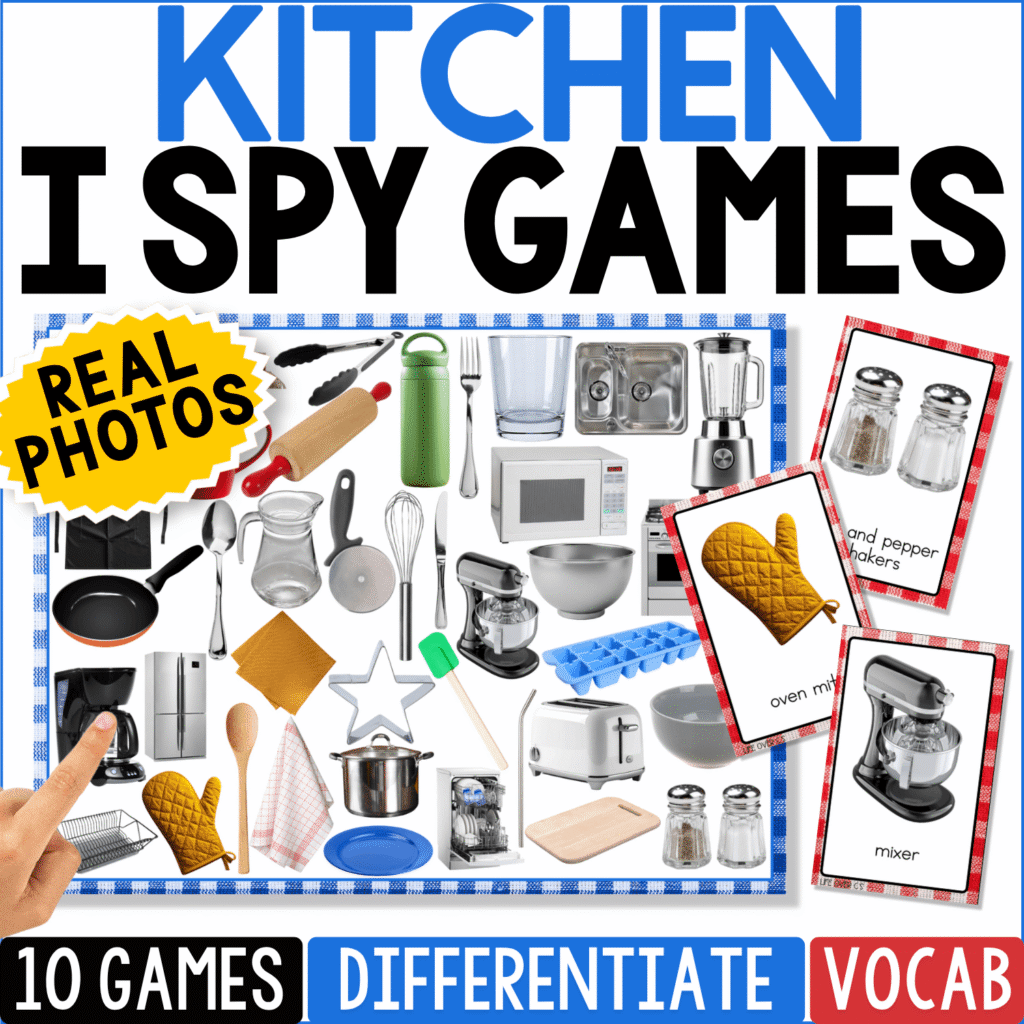


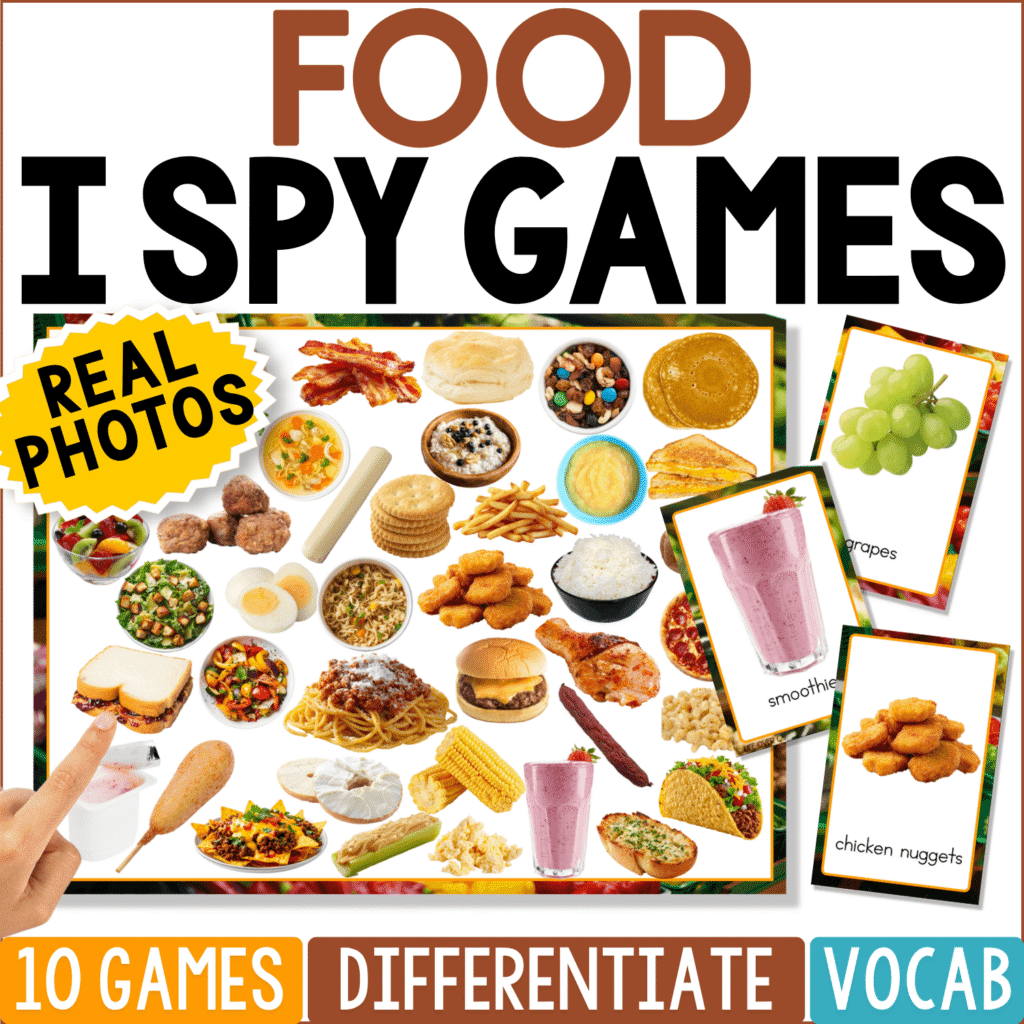
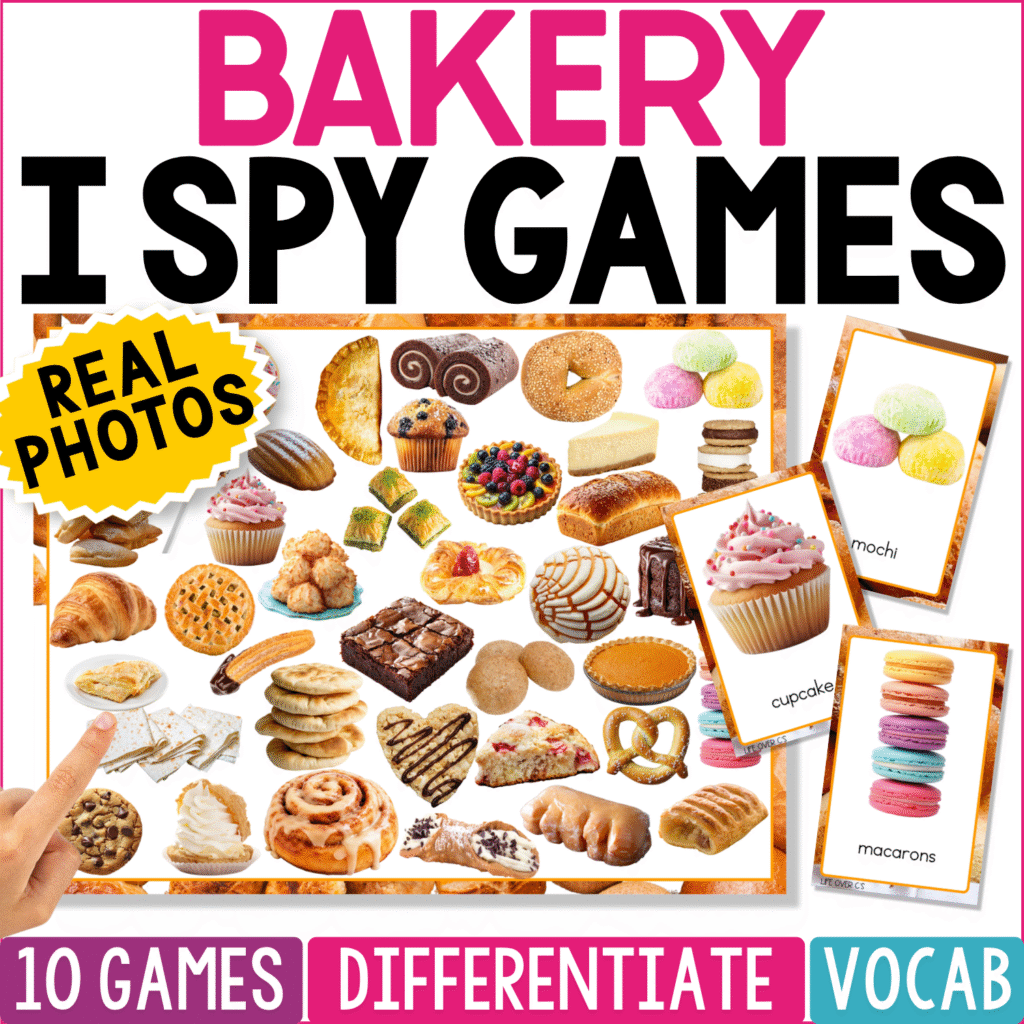
Real Life At Home I Spy “Flip” Board Game
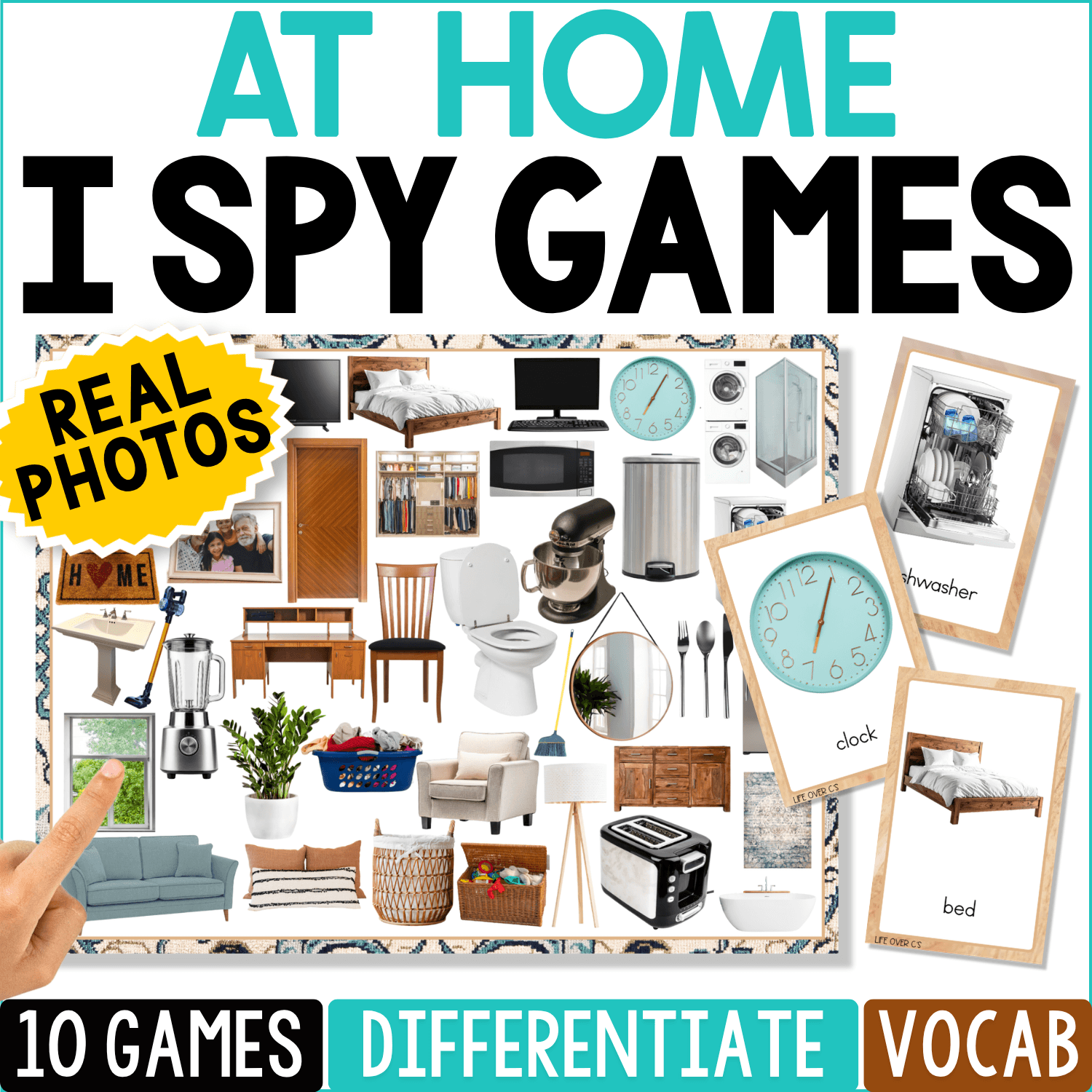
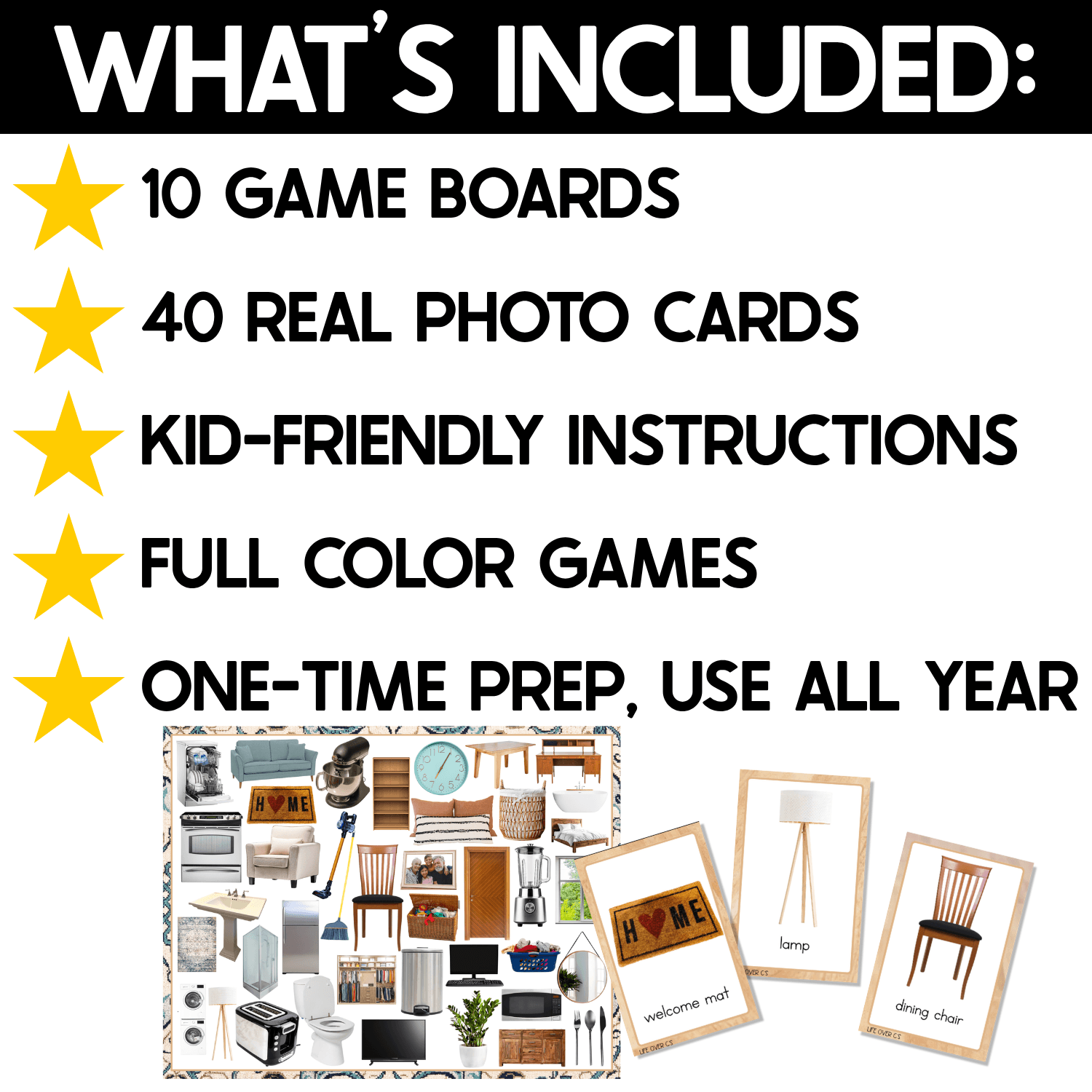
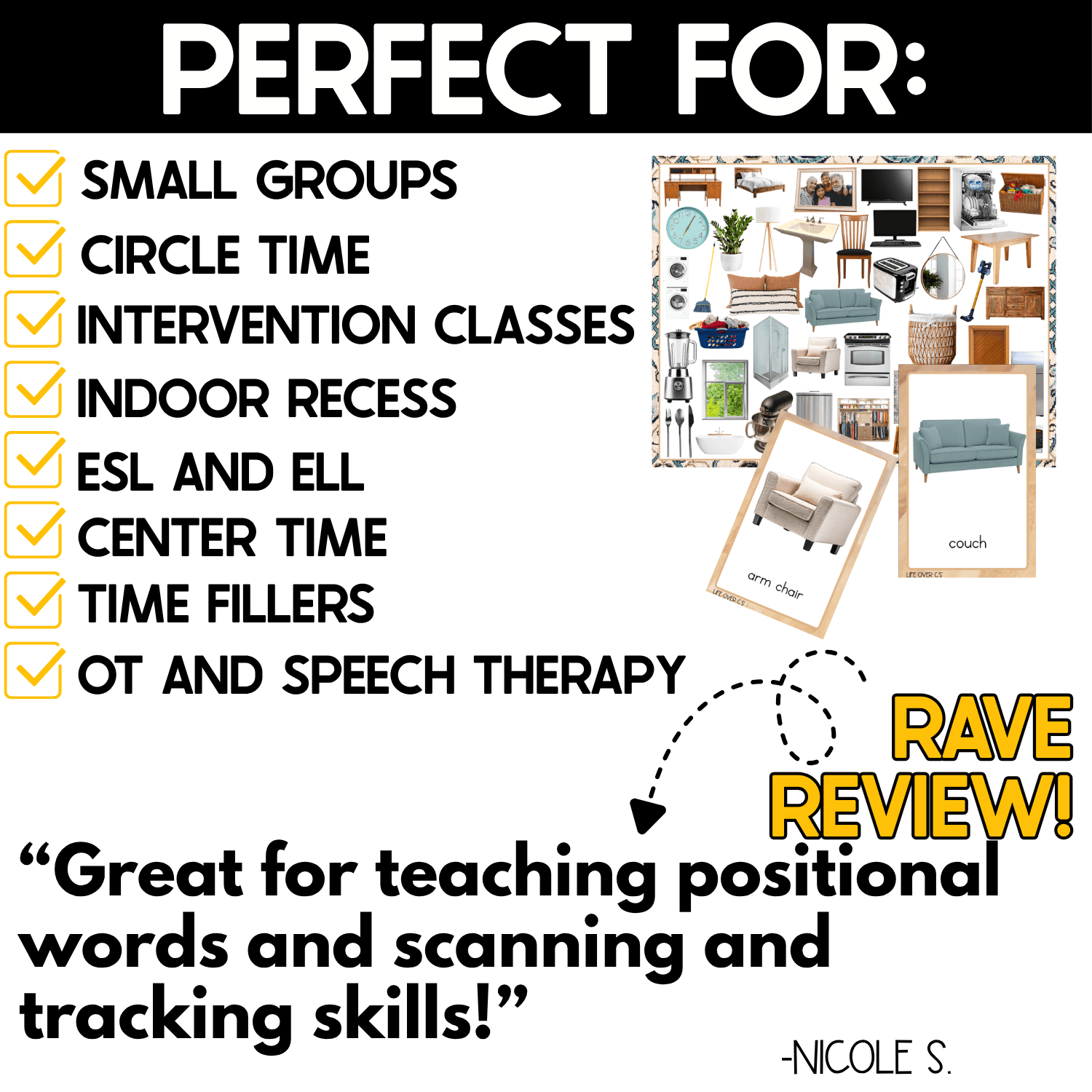
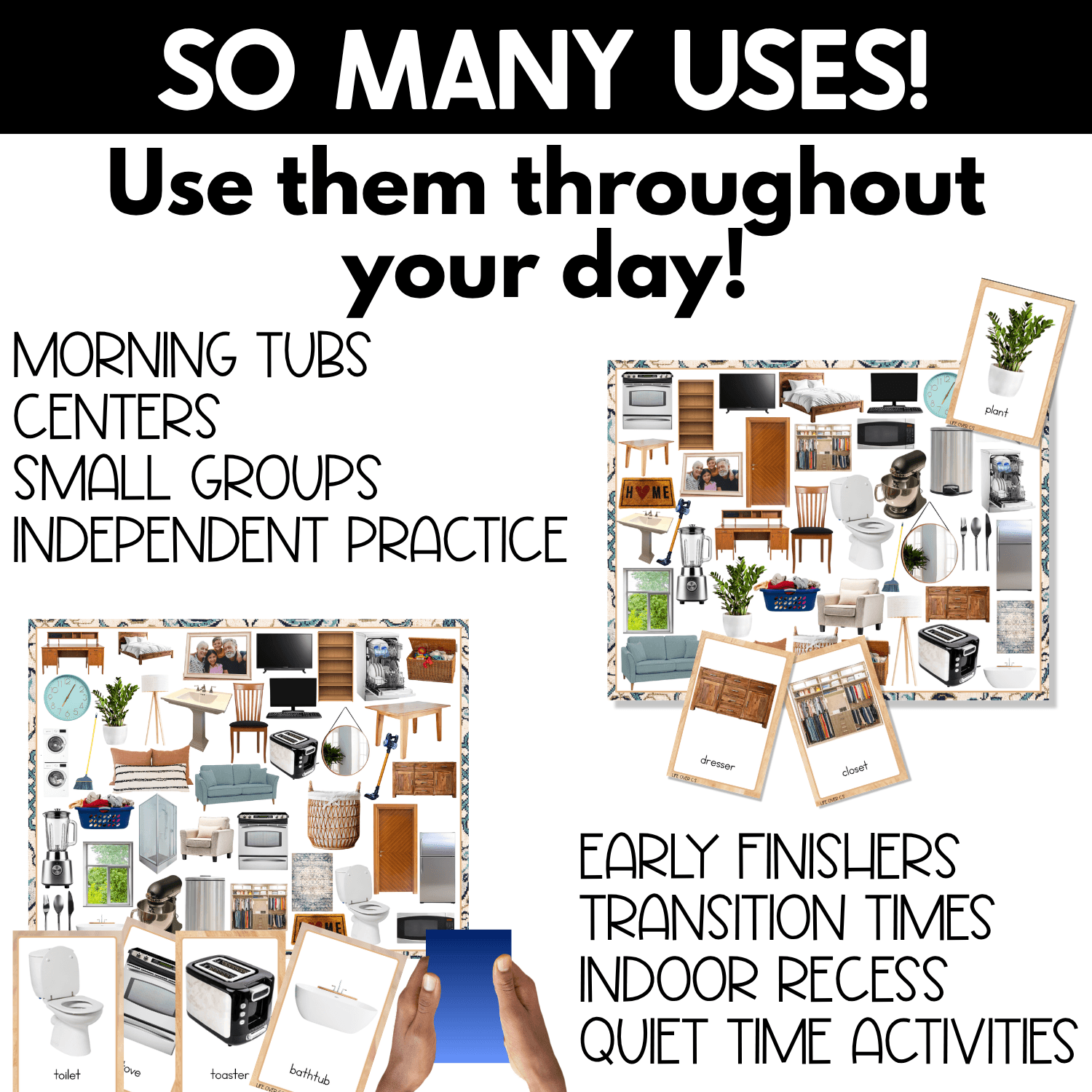
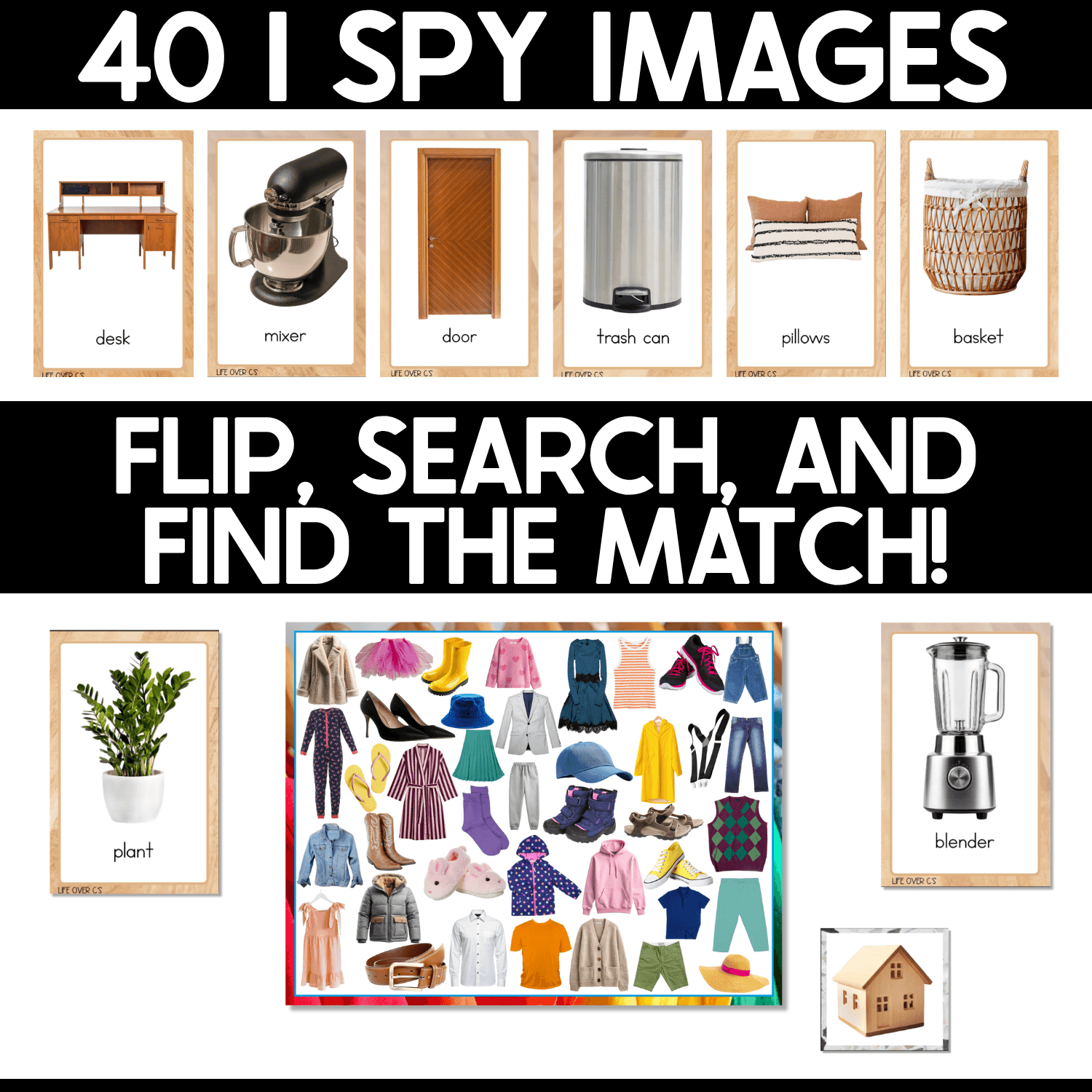
- 40 real photo I Spy picture cards, 8 to a page (couches, chairs, tables, lamps, TVs and more)
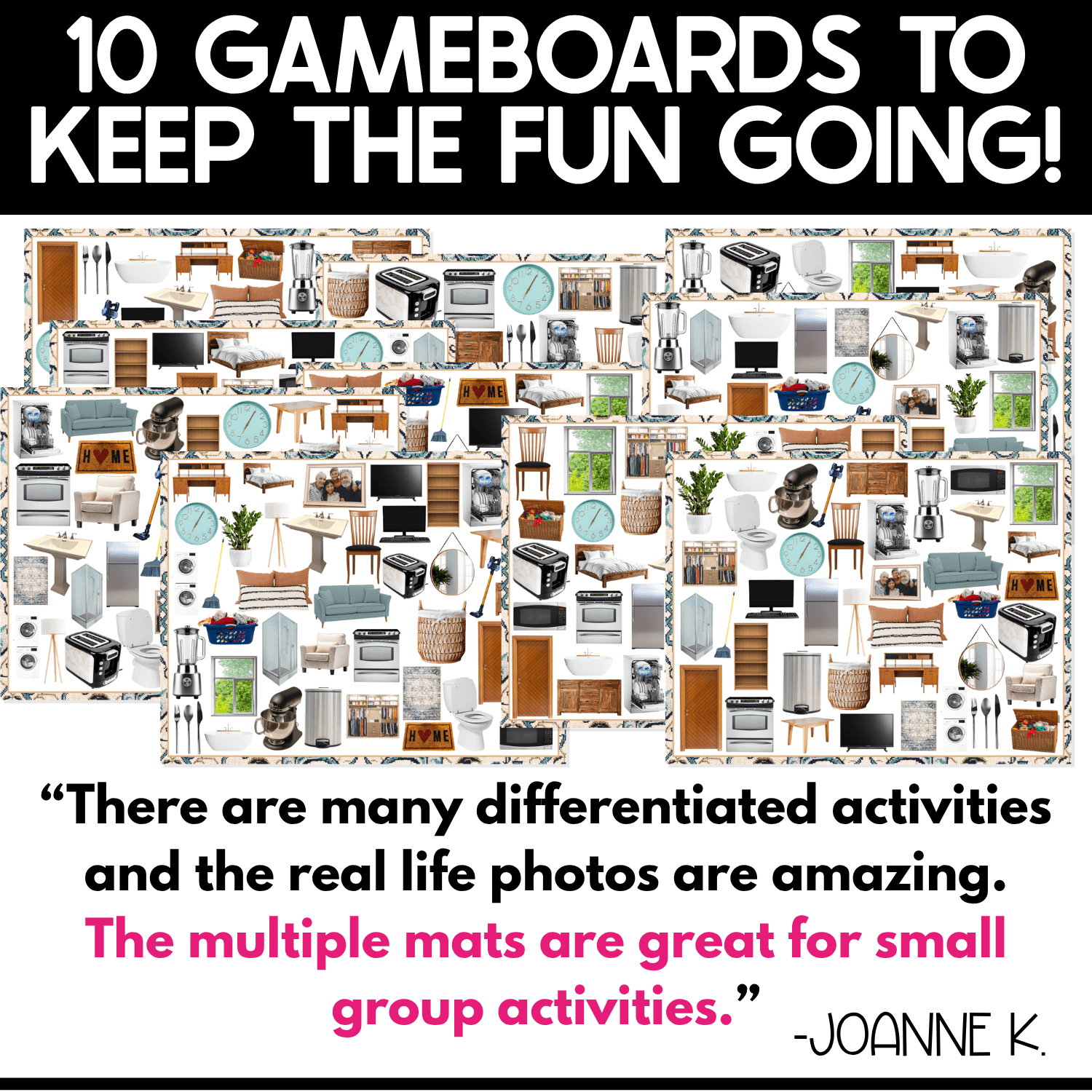
- 10 full-color real photo I Spy game boards
- 1 page of 20 house tokens
- Table of contents and preparation directions
- I Spy “Flip” game instructions
The real photos match what kids see in everyday life, which makes it easy to connect new words to real things. Some photos look a lot alike, like the different chairs, rugs and pillows, so kids have to check the details to find the exact match.
Required Materials:
- White cardstock, printer and ink
- Laminator
- Paper cutter or scissors
- Optional: mini erasers or counters to use as tokens
Standards for Vocabulary and Speaking and Listening
This real photo at home I Spy game supports early learning standards connected to home vocabulary, visual discrimination and taking turns in conversation.
Common Core State Standards: English Language Arts
- CCSS.ELA-LITERACY.L.K.5.A: Sort common objects into categories to gain a sense of the concepts the categories represent. Kids sort the photos by the room where they belong.
- CCSS.ELA-LITERACY.L.K.5.C: Identify real-life connections between words and their use. Kids talk about home words they know from real life.
- CCSS.ELA-LITERACY.SL.K.1: Participate in collaborative conversations with peers and adults in small and larger groups. Players take turns, name the pictures and talk about each match.
Texas Prekindergarten Guidelines and TEKS for English Language Arts and Reading
- PK4.II.D.1: Child understands and uses a wide variety of words to label and describe people, places, things and actions. Kids name and describe each home picture they find.
- PK4.II.D.3: Child consistently understands and uses new vocabulary learned through books, conversations and play. Every round brings more chances to hear and use the theme words.
- TEKS K.1(D): Work collaboratively with others by following agreed-upon rules for discussion, including taking turns. Players take turns flipping cards and searching the board.
Virginia English Standards of Learning
- K.RV.1.C: Use vocabulary from across content areas. Kids build home vocabulary as they play.
- K.RV.1.F: Use newly learned words and phrases in discussions and speaking activities. Kids name each picture when they find it.
- K.C.1.A.i: Listen actively and follow agreed-upon rules for participating in discussions. Kids take turns and wait for each player to flip.
The Real Life At Home I Spy “Flip” Board Game gives preschool and kindergarten kids hands-on practice with visual discrimination and home vocabulary using 40 real photo cards and 10 colorful game boards.
Flip a card and find the couch! Kids race to spot real photos of things around the house on a busy I Spy board.
The real photo cards show couches, chairs, tables, lamps, TVs, rugs, blenders and laundry baskets. Some photos look a lot alike, like the different chairs, rugs and pillows, so kids have to check the details to find the exact match.
Kids who aren’t reading yet can play right along, since every match is made by looking at the photos. Name each picture as you go to build vocabulary while kids search.
With 10 different game boards, the same photos land in new spots each round. That keeps the search fresh while kids build visual scanning, focus and attention to detail.
How to Play the At Home I Spy Game
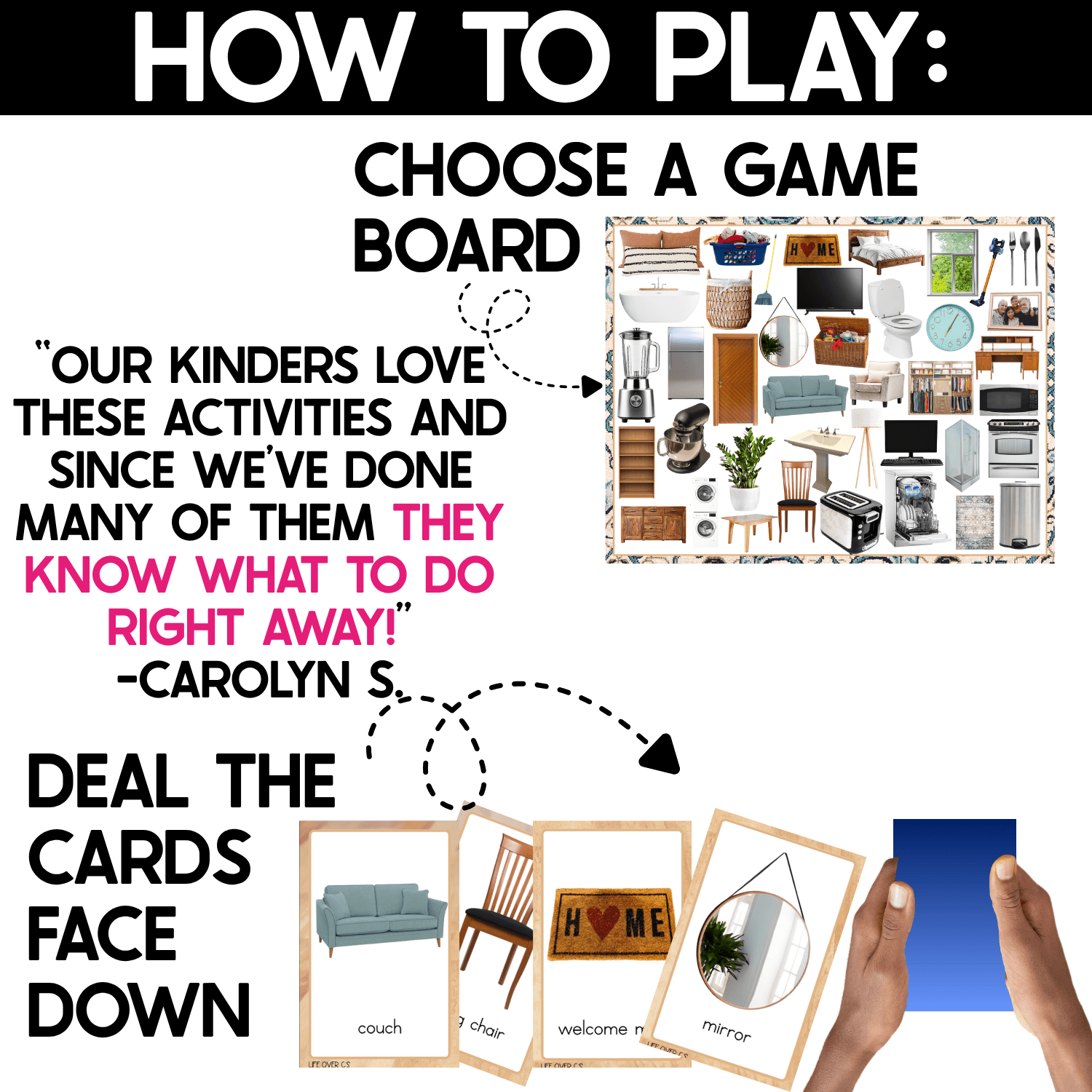
- Choose one I Spy game board and place it where every player can see it. Deal the picture cards face down so each player has a small stack.
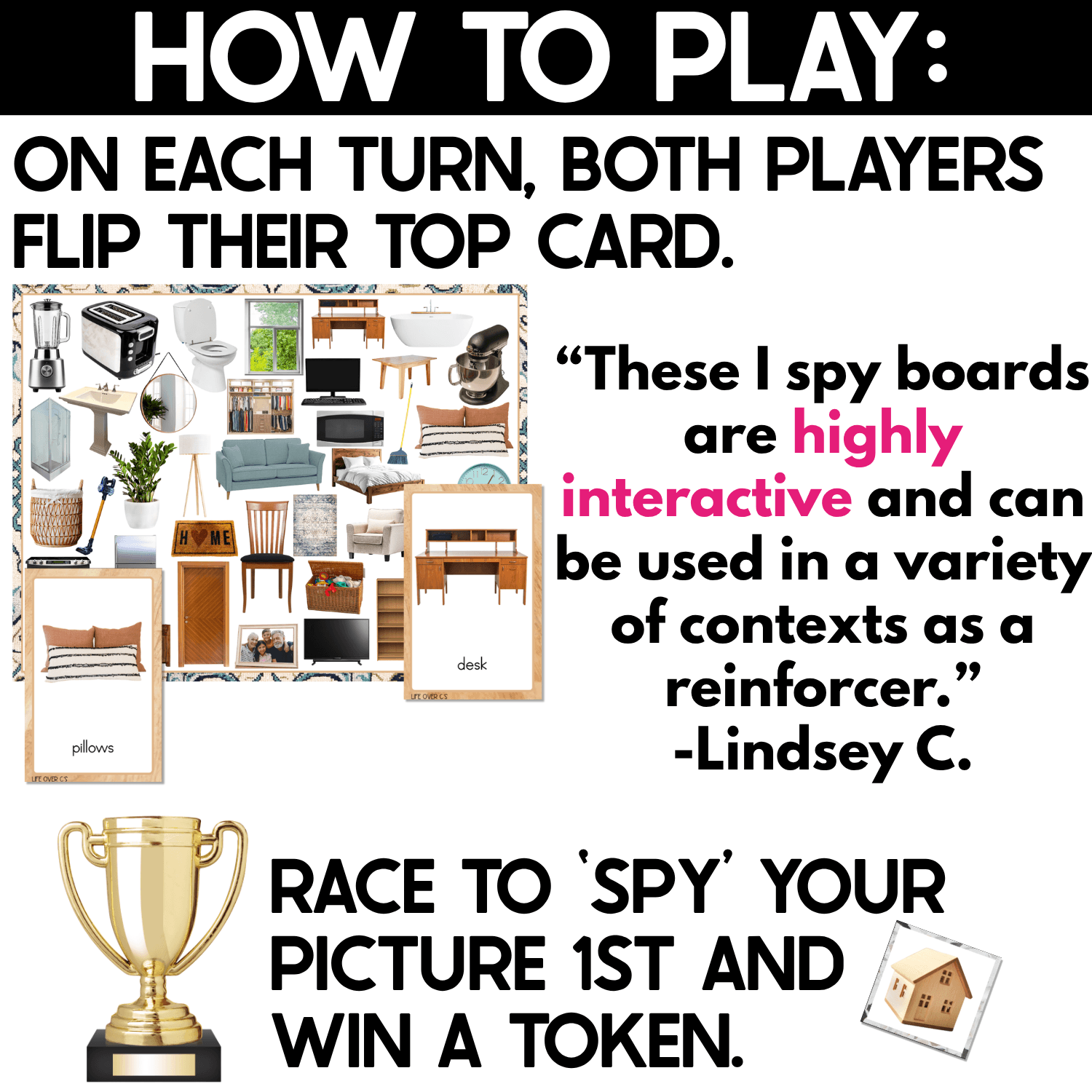
- All players flip their top card at the same time and race to find the matching picture on the board.
- The first player to point to the right picture names it, then wins a house token or keeps the card as a point. Play until every card is flipped. The player with the most points wins!
Cooperative Play: Put the picture cards in one shared pile. Kids take turns flipping a card and work together to find it on the board. Cover each match with a token to see how many pictures the group can find.
Independent Play: Set one board and a stack of cards in a learning center. Kids flip one card at a time, find the picture and name it. Covering each picture with a token or mini eraser adds a little fine motor practice.
Easy Ways to Differentiate This At Home I Spy Game
Home is the one theme every child knows, but the words for it vary a lot. One child calls it a couch, another a sofa, and a third just points. Some kids are learning the names of furniture, some can tell you what room each thing goes in and some can read “lamp” under the photo. These real photos of couches, lamps and laundry baskets fit all of them.
For Children Who Need More Support:
- Start with the big furniture cards, like the couch, chair and table. Large, simple objects are easier to spot than small kitchen items.
- Walk to a real chair or table in your room each time its card comes up. Linking the photo to the real object makes the word stick.
- Accept the word kids use at home, like sofa for couch, and then say the card word back. Kids feel successful while they learn the new label.
- Fold the board in half and search one half at a time. A smaller space keeps kids from feeling lost in a room full of things.
For On-Level Practice:
- Sort the cards by room: living room, kitchen and laundry room. Grouping by room builds category language.
- After each match, ask “What do you do with this?” Telling how an object is used builds vocabulary depth.
- Compare the different chairs, rugs and pillows and name one difference for each pair. Close comparison is the visual skill the game trains.
- Have kids tell where each object is in their own home. Personal connections give kids a reason to use the words.
For an Extra Challenge:
- Draw a floor plan of a room and place six card objects in it. Planning space uses position words like next to and behind.
- Give clues with position words, like “It sits on the floor in front of the couch,” for a partner to find the rug.
- Read the word under each photo and sort the words by first sound. Sorting adds phonics to the game.
- Have kids explain a chore that uses the cards, like laundry, in order. Retelling steps builds sequencing.
For Speech, OT, ELL or Special Education Support:
- Speech: home words like lamp, rug and TV offer practice with /l/ and /r/. Pull the cards that fit the child’s goal.
- Fine motor: fold a few washcloths into a real laundry basket after the game. Folding works both hands together.
- ELL: invite families to share the home-language words for couch, table and bed. Kids connect school words to the words they hear at home.
- Life skills: use the cards to plan a simple tidy-up routine, one card at a time. Picture steps help kids who need visual schedules.
At Home I Spy Game Is Perfect For:
- Preschool and pre-K
- Kindergarten
- All about me and home themes
- Life skills
- Small-group instruction
- Speech and language therapy
- Occupational therapy
- Special education
- ELL and multilingual learners
- Homeschool
- Early finishers