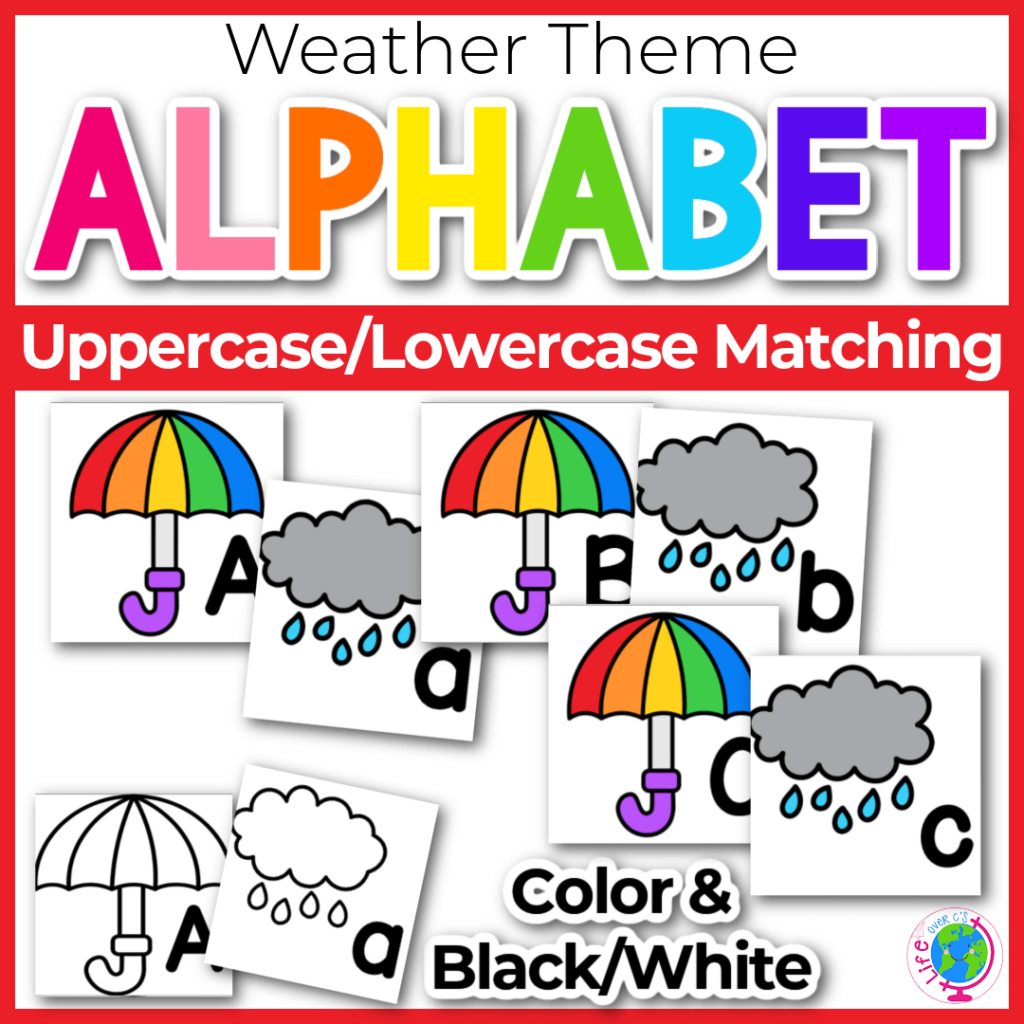


Responsibility for Preschoolers: Matching Game
Recommended Grade Level:
Type of Resource: PDF
Number of Pages: 6

Coordinating Activities


Responsibility for Preschoolers: Matching Game
- Responsibility matching cards with “I can…” sentences: brush my hair, brush my teeth, put on my shoes, make my bed, feed the dog, pick up my toys and more
Print 2 copies of the cards to make pairs.
Required Materials:
- Paper, printer and ink (cardstock works well)
- Laminator
- Paper cutter or scissors
Standards for Early Reading and Everyday Tasks
This matching game supports early learning standards connected to reading simple sentences and talking about everyday tasks.
Common Core State Standards
- CCSS.ELA-LITERACY.RF.K.3.C: Read common high-frequency words by sight. Kids read “I can” on each card.
- CCSS.ELA-LITERACY.SL.K.1: Participate in collaborative conversations with diverse partners about kindergarten topics and texts with peers and adults in small and larger groups. Kids take turns and talk about each job.
Texas Prekindergarten Guidelines
- PK4.II.D.1: Child understands and uses a wide variety of words to label and describe people, places, things and actions. Kids name each task.
Virginia Standards of Learning
- English K.FFR.3.H: Use letter-sound correspondences to read grade-level high-frequency words, including decodable and irregular words. Kids read the “I can” sentences.
Responsibility for Preschoolers: Matching Game helps preschool kids talk about the jobs they can do on their own.
Kids flip two cards and look for a match. Each card shows a job like “I can make my bed” or “I can feed the dog.”
Use the game to start a conversation about chores and the things kids can do to help at home.
How to Use Responsibility for Preschoolers: Matching Game
- Print 2 copies of the cards on cardstock and cut them apart.
- Place the cards face down.
- Kids flip two cards and read them.
- If the cards match, kids keep the pair.
- Talk about each job.
Home Chores: Pick one card as a job for the day.
Partner Game: Play with a friend or family member.
Easy Ways to Differentiate This Matching Game
Some kids in your group are still learning the names for daily jobs, some can match pictures but not read the sentences and some are ready to read the “I can…” cards on their own. Kids print two copies of the cards to make pairs, so you can choose how many pairs to play with.
For Children Who Need More Support:
- Play face up with 4 to 6 pairs. Seeing every card at once keeps the focus on the jobs instead of finding cards.
- Read each card together when it’s flipped. Hearing the sentence shows kids how the words connect to the picture.
- Act out each job as you read it. Movement makes the words and the job clear.
- Talk about each job when a pair is found. Talking about the job connects the game to daily life.
For On-Level Practice:
- Play face down with all the pairs. Keeping track of cards builds focus and turn-taking.
- Have kids read each card out loud when they flip it. Reading on every turn builds fluency with the “I can” pattern.
- Have kids tell whether they already do each job. Connecting the game to their life builds confidence.
- Play with a partner and take turns. Taking turns is its own kind of responsibility.
For an Extra Challenge:
- Have kids read every card on their own. Reading independently is a big step.
- Have kids sort the cards into jobs they do and jobs they want to learn. Sorting helps kids set goals.
- Have kids act out a job for a partner to guess. Acting and guessing builds language and fun.
- Have kids draw and write a new job card for the game. Creating a card is real writing practice.
For Speech, OT, ELL or Special Education Support:
- Life skills: practice each job for real after the game. Real practice connects the game to independence.
- ELL: act out each job on the responsibility cards as you match them, like make my bed or feed the dog. Movement makes everyday words clear in any language.
- Fine motor: flipping cards builds hand control. Bend one corner up slightly so kids can lift the cards.
- Turn-taking: play cooperatively at first, finding pairs together. Cooperative play keeps the focus on the jobs and not on winning.
Responsibility for Preschoolers: Matching Game Is Perfect For:
- Preschool and pre-K
- Kindergarten
- Home routines
- Social-emotional learning
- Special education
- ELL and multilingual learners
- Homeschool