I Spy “Flip” Board Game: Real Life Numbers
Recommended Grade Level:
Type of Resource: PDF
Number of Pages: 21

You must be a Monthly, Annual or Forever Member to Access this Resource.
Join the Life Over C’s Club to Access

Already a member? Login below:
Coordinating Activities
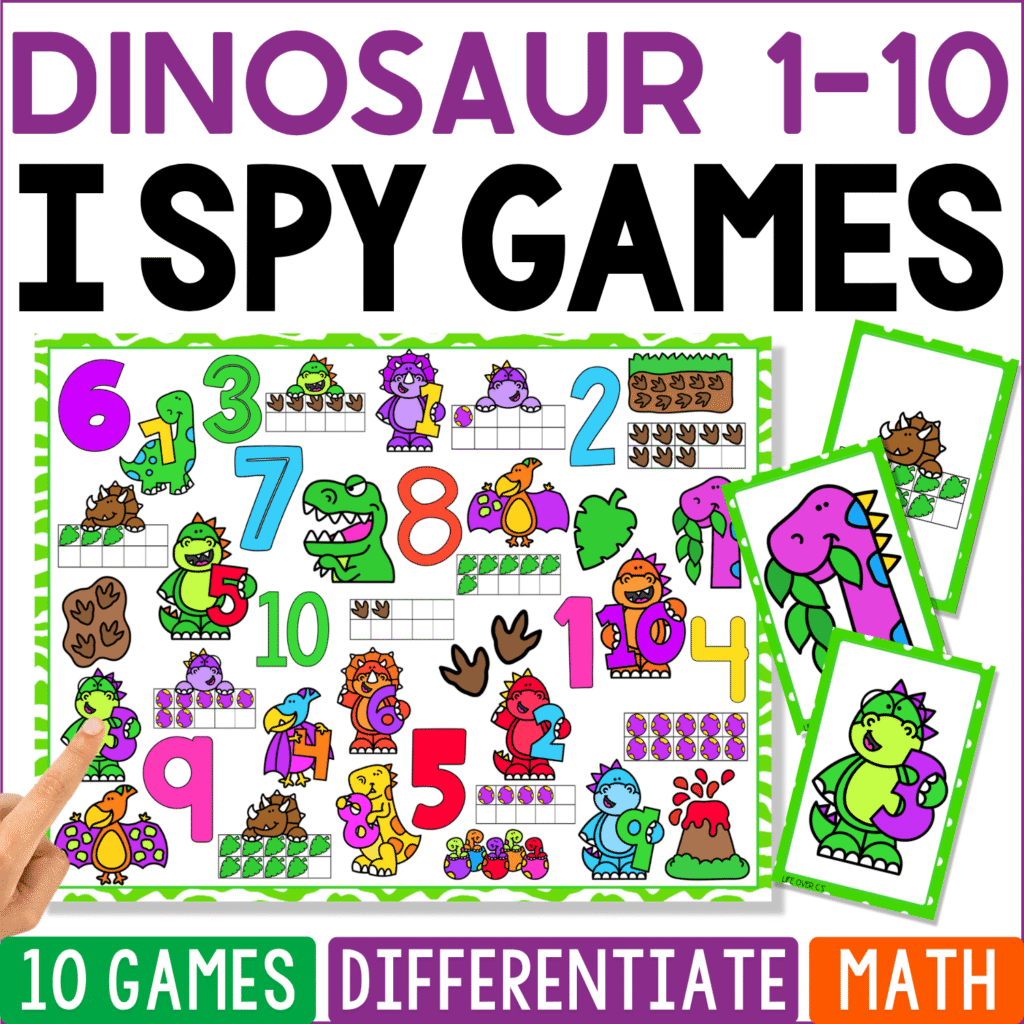
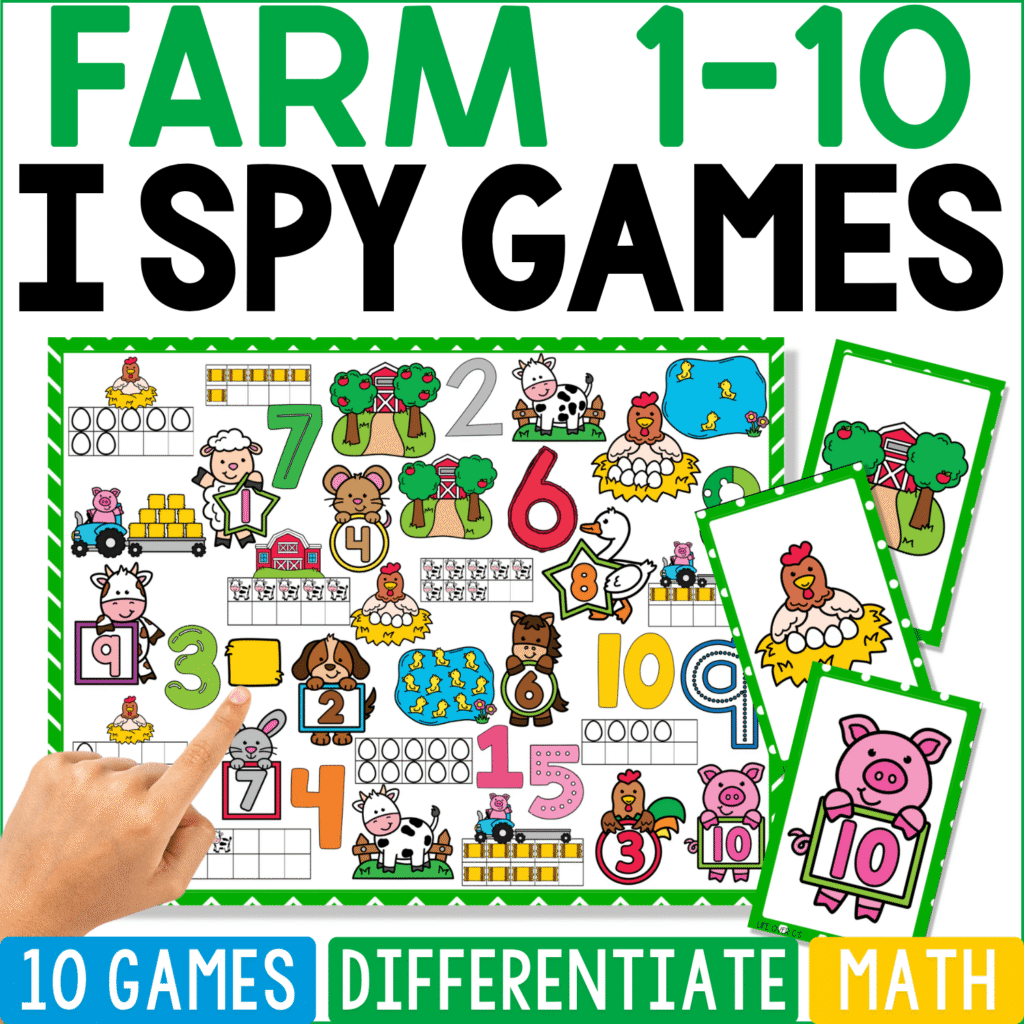
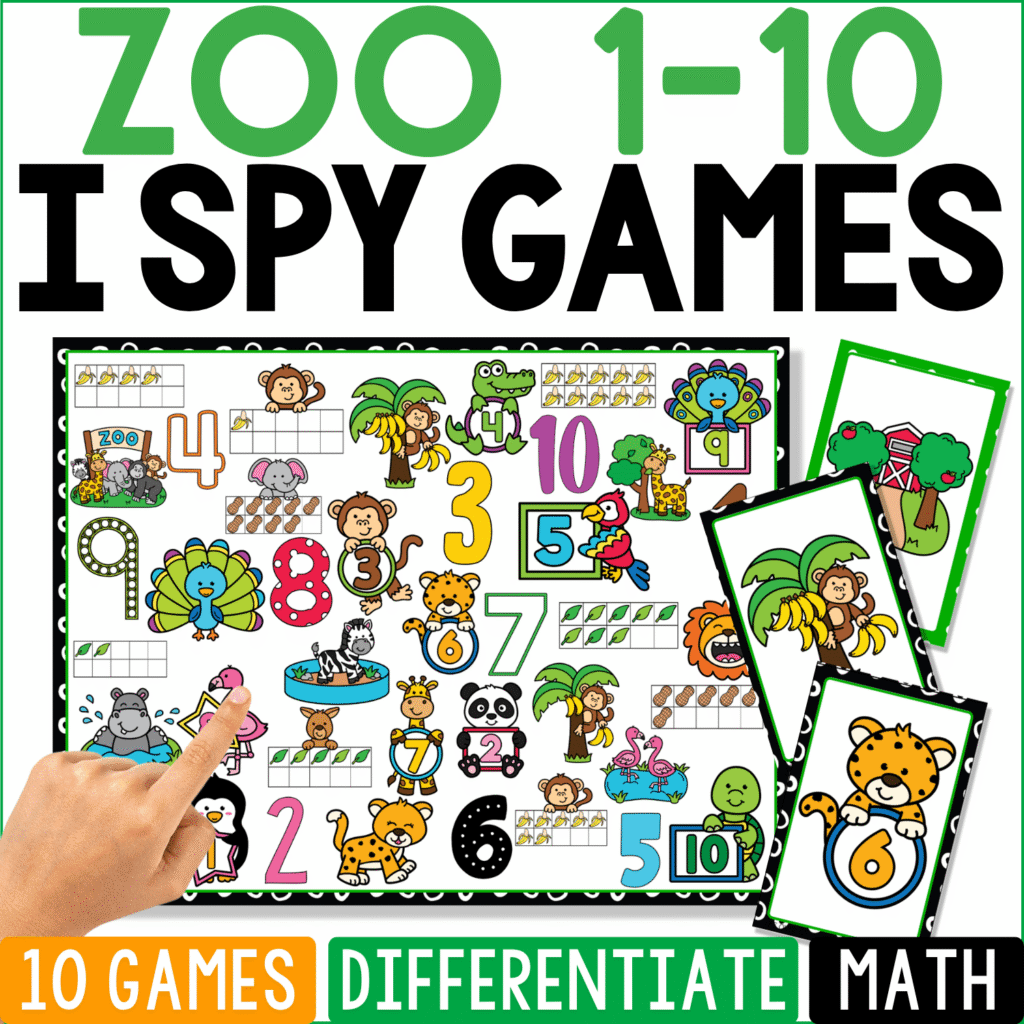

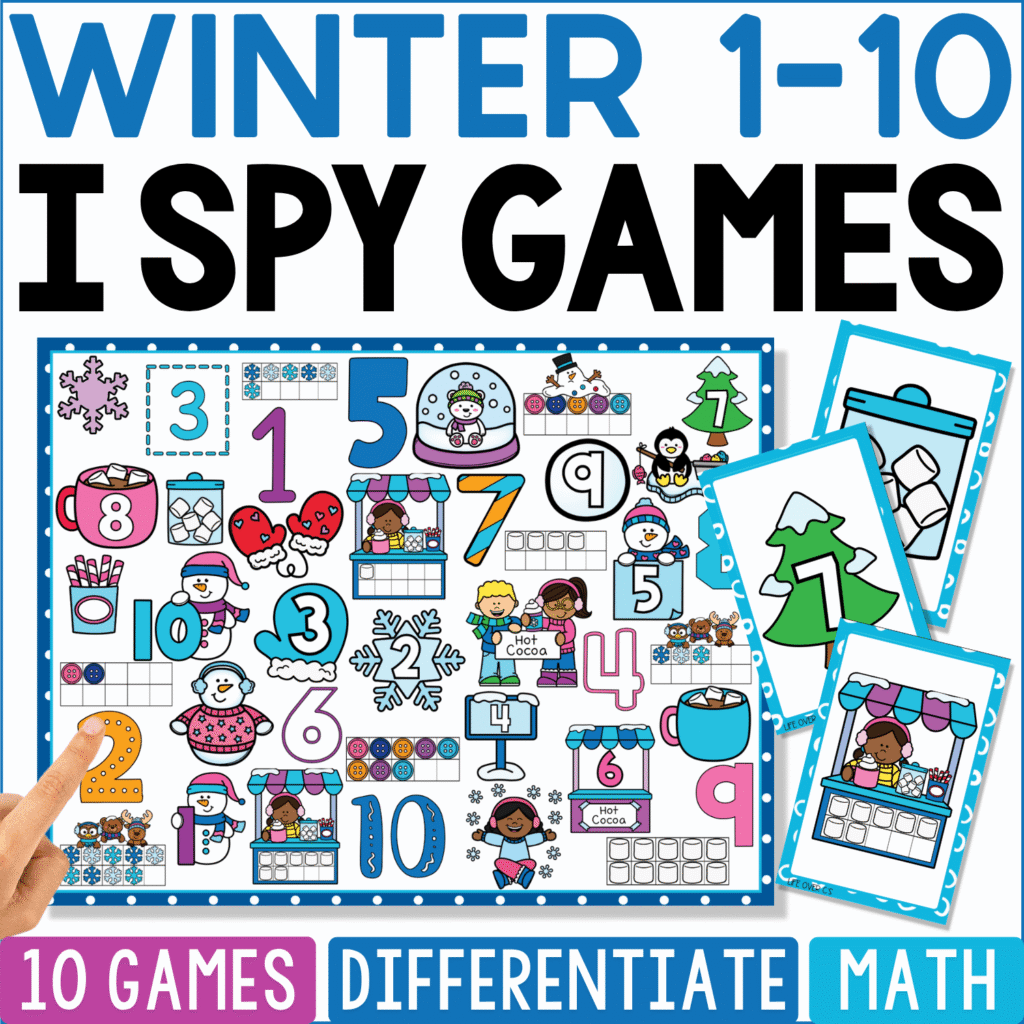
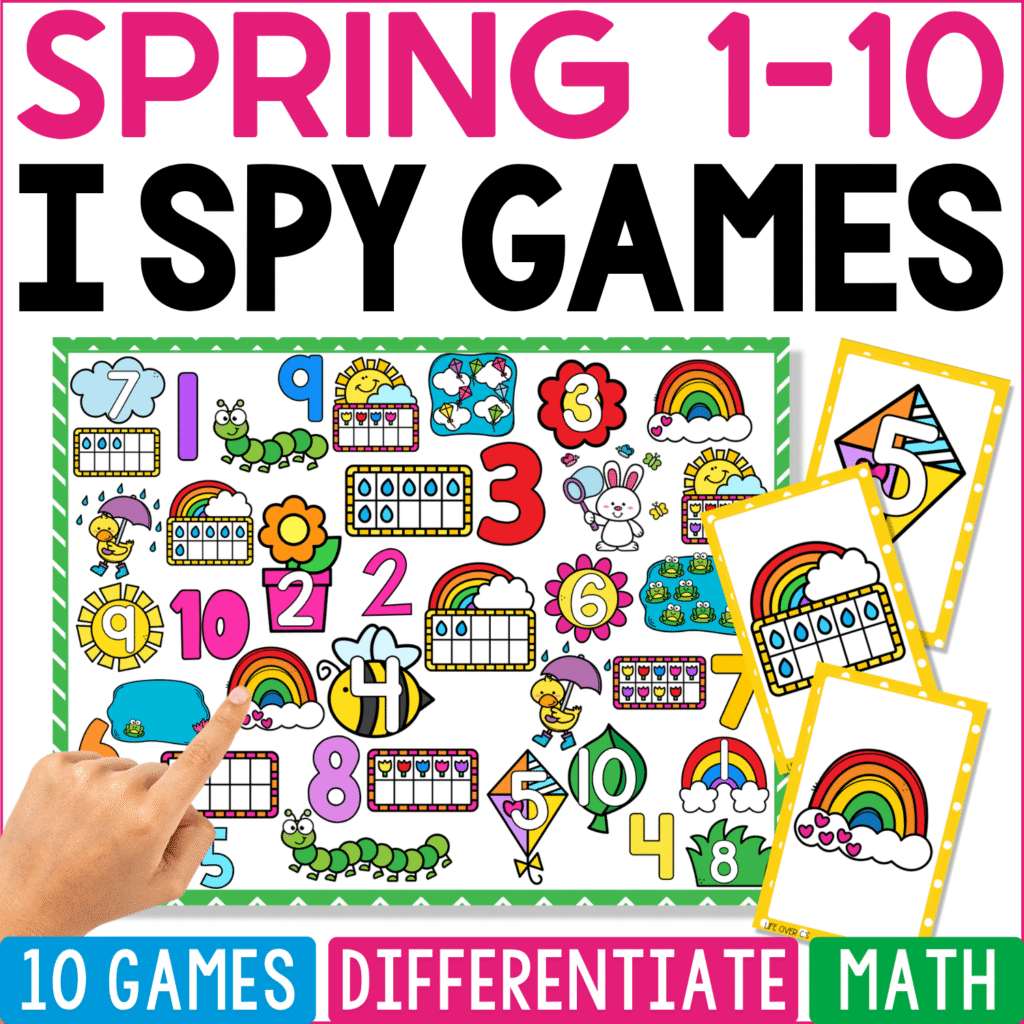
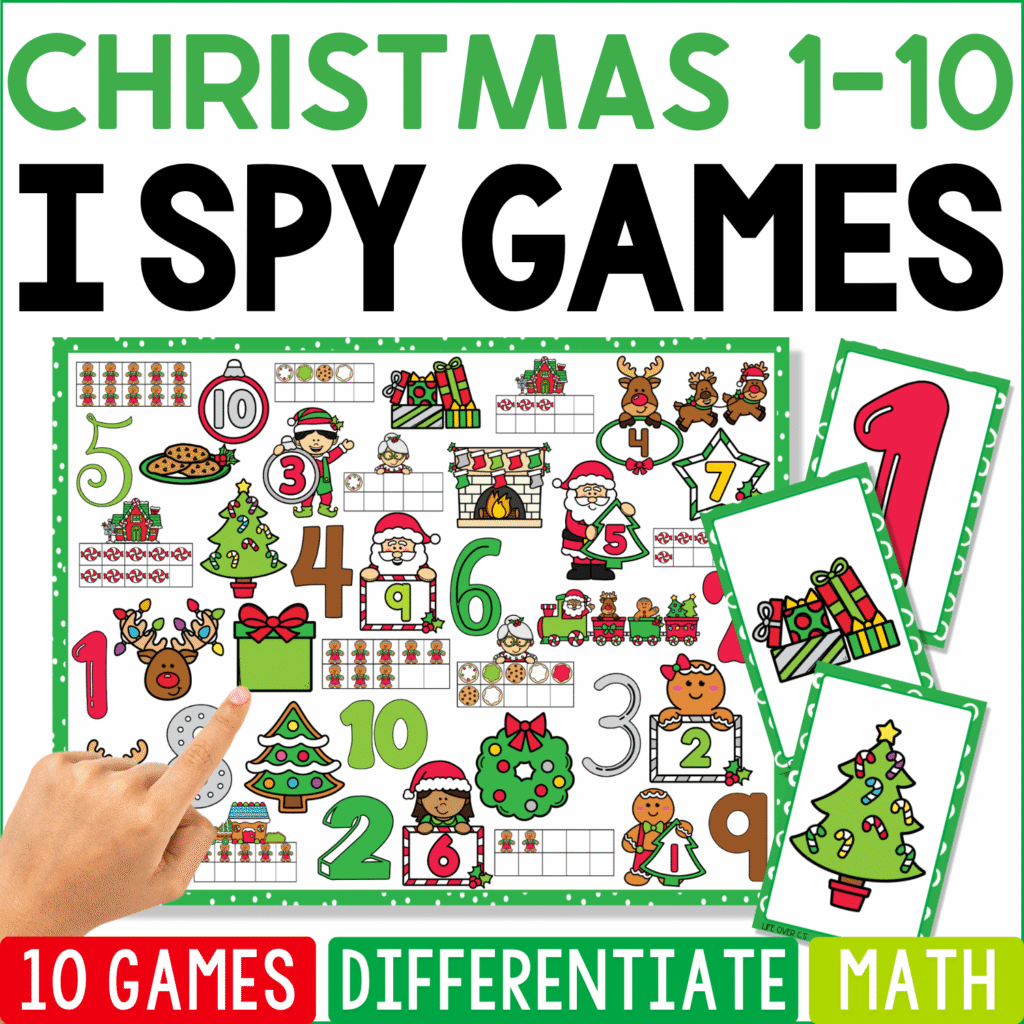
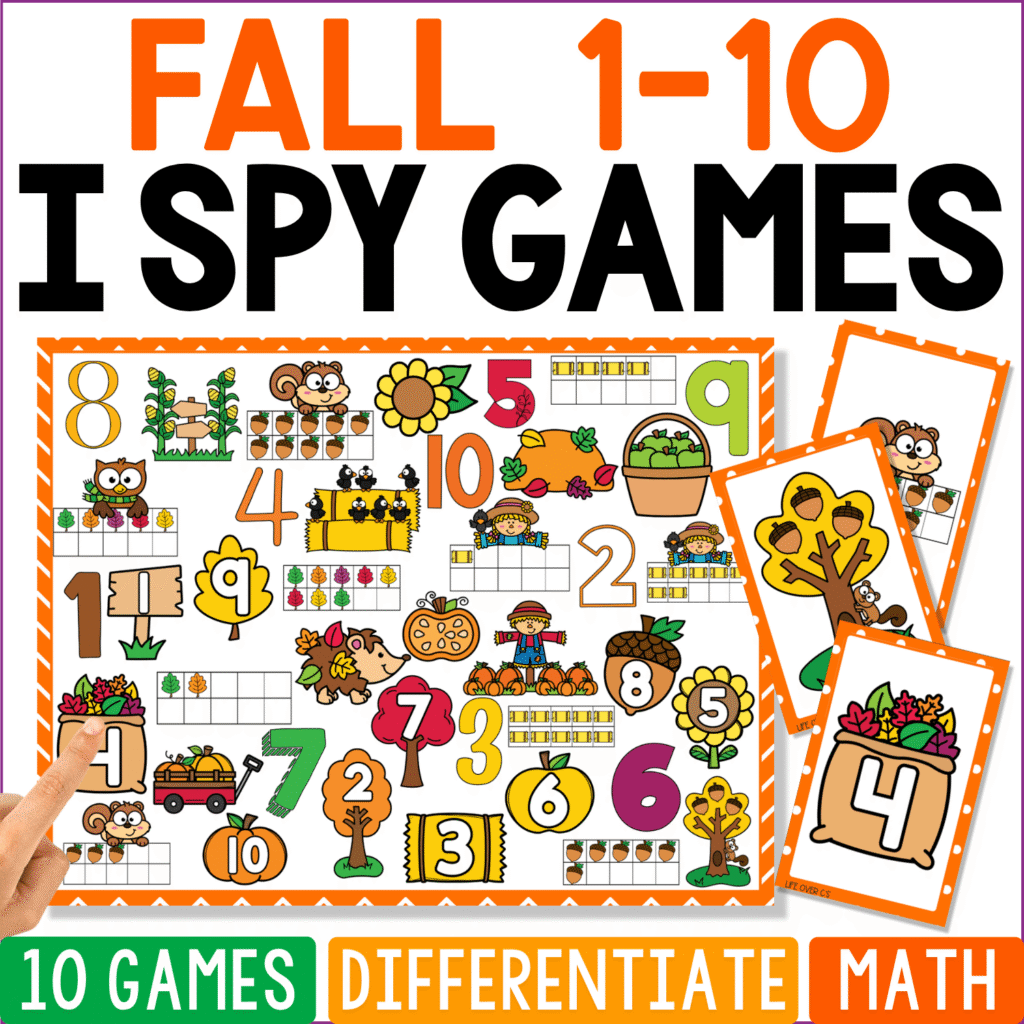
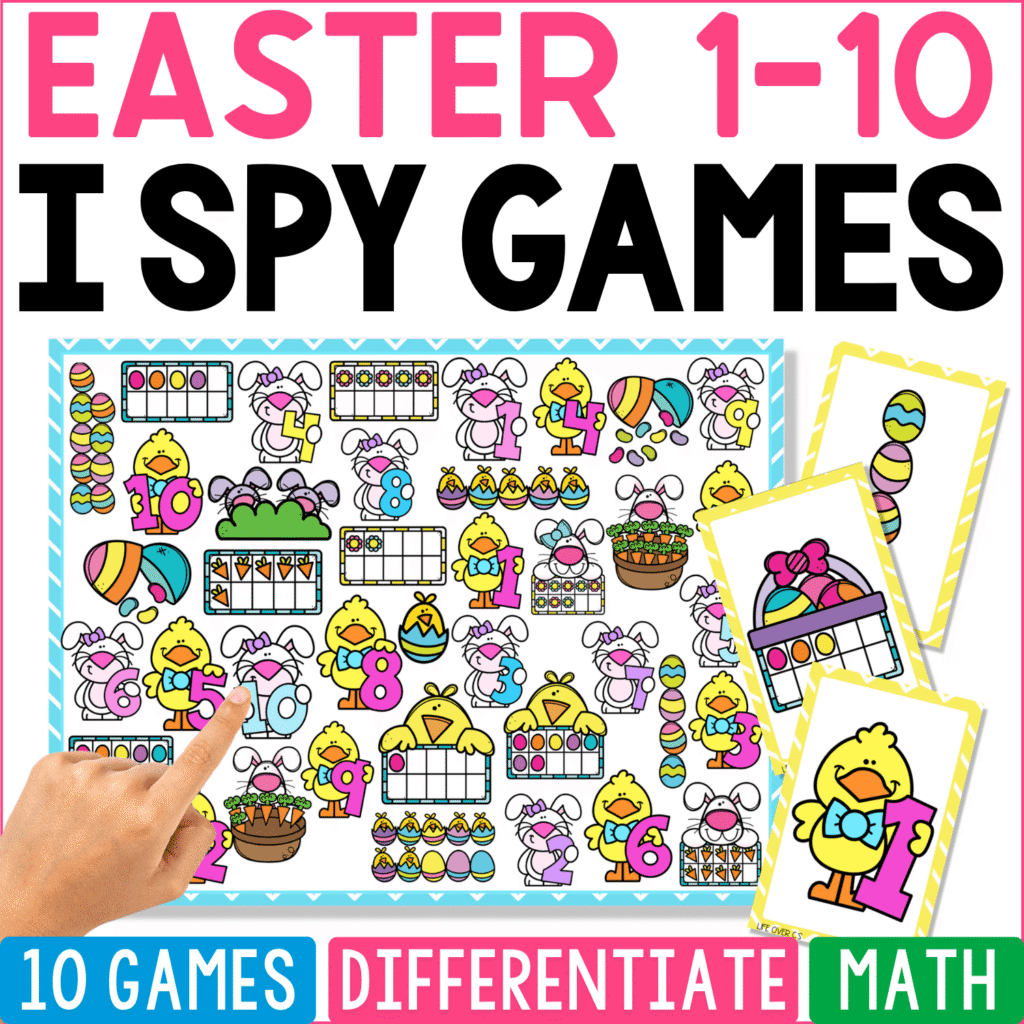
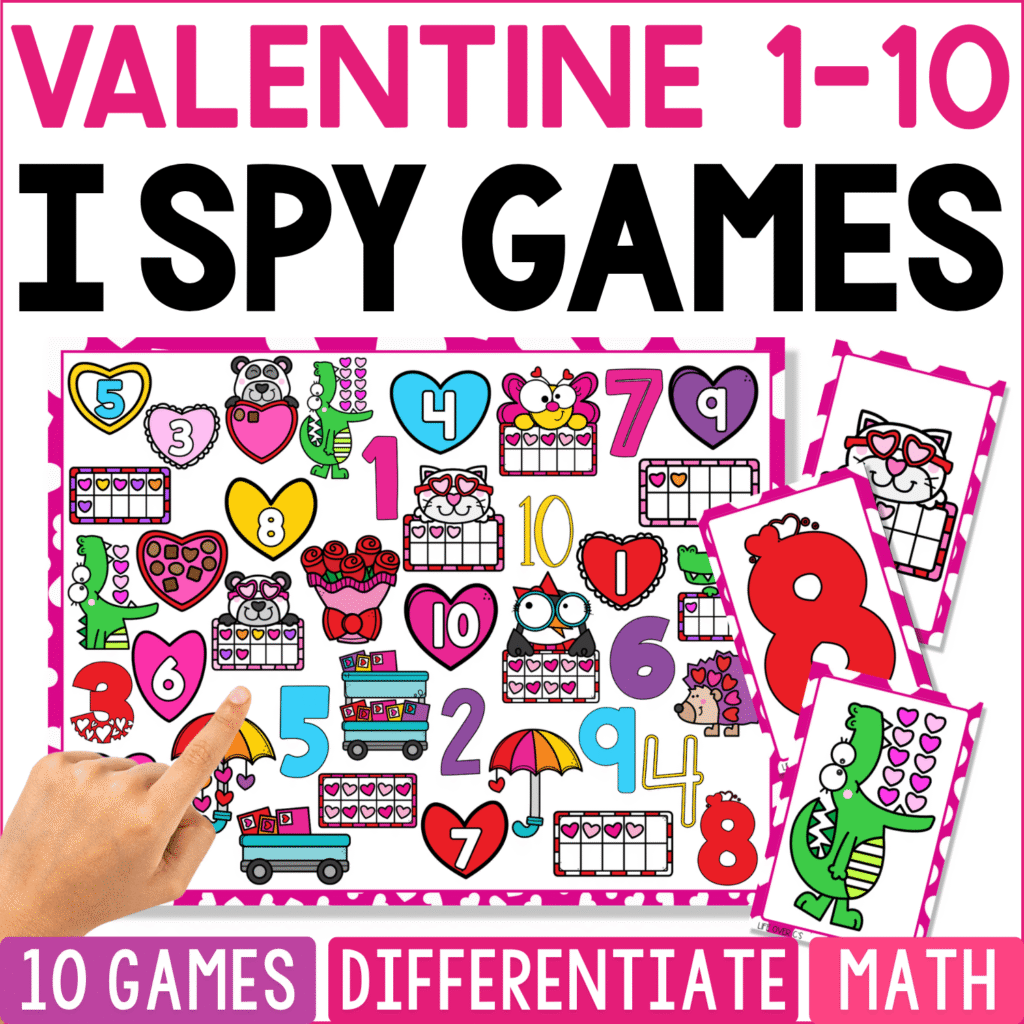
Real Life Numbers I Spy “Flip” Board Game
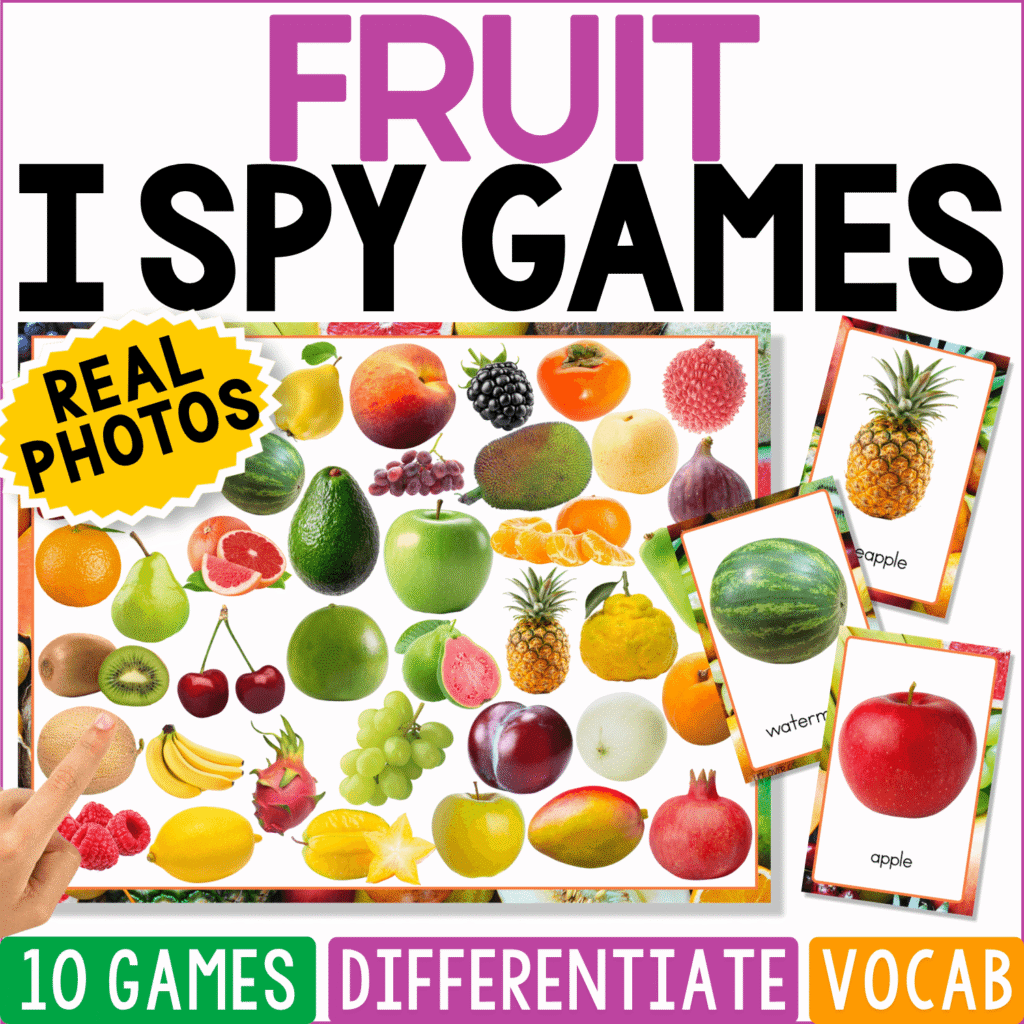
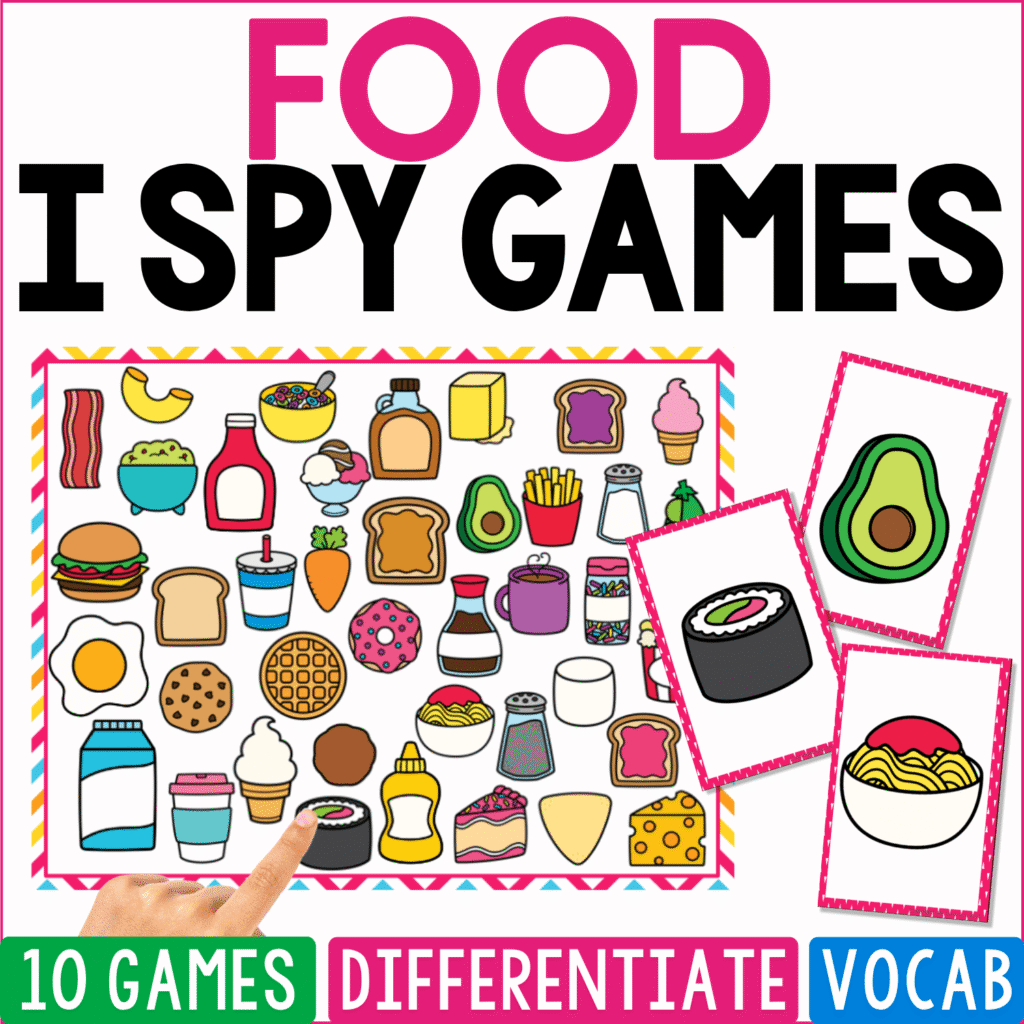
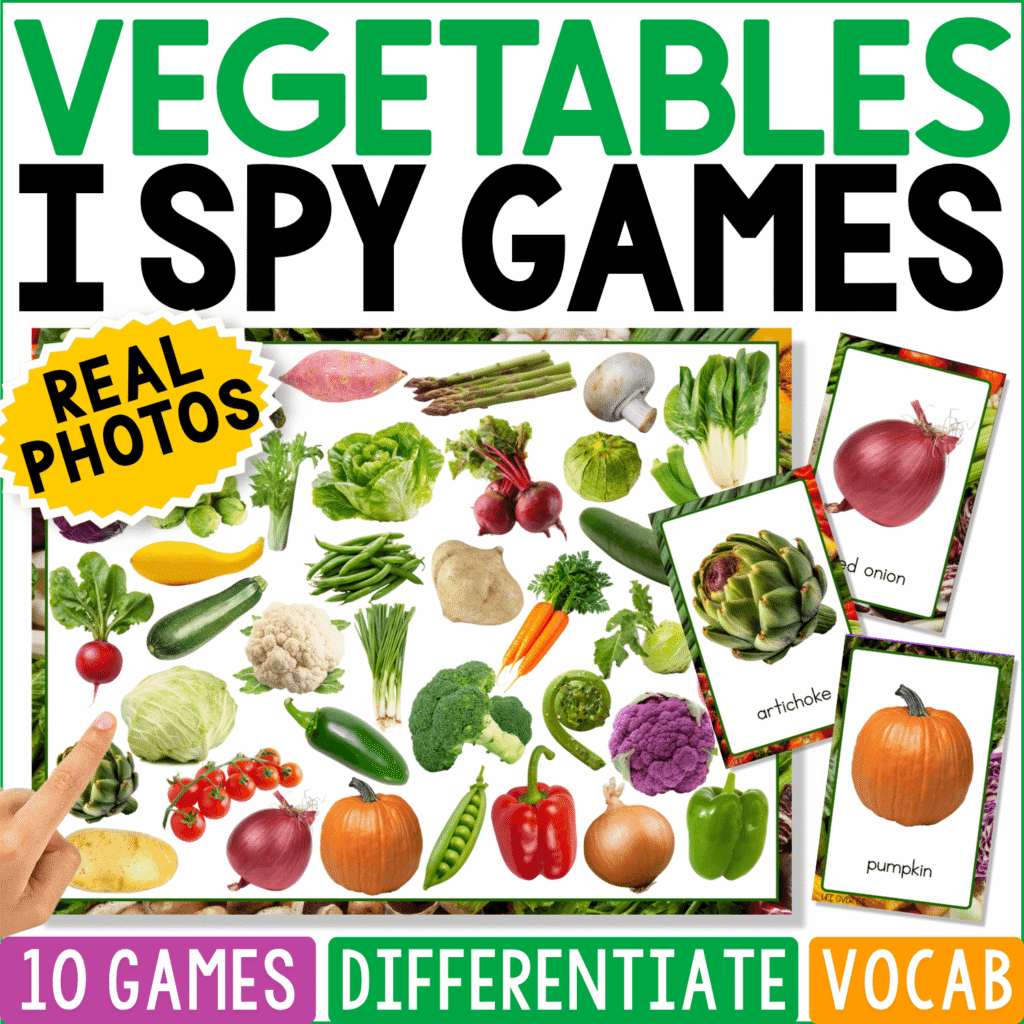
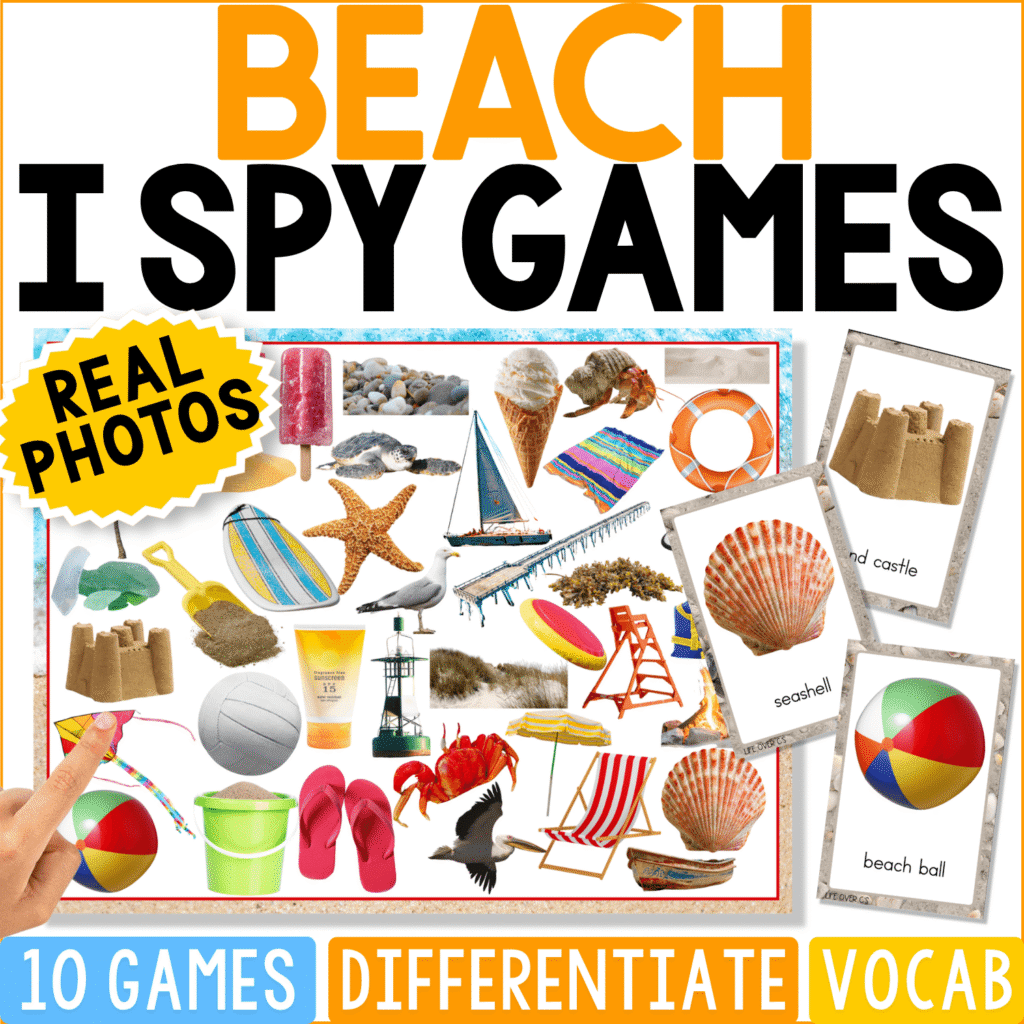
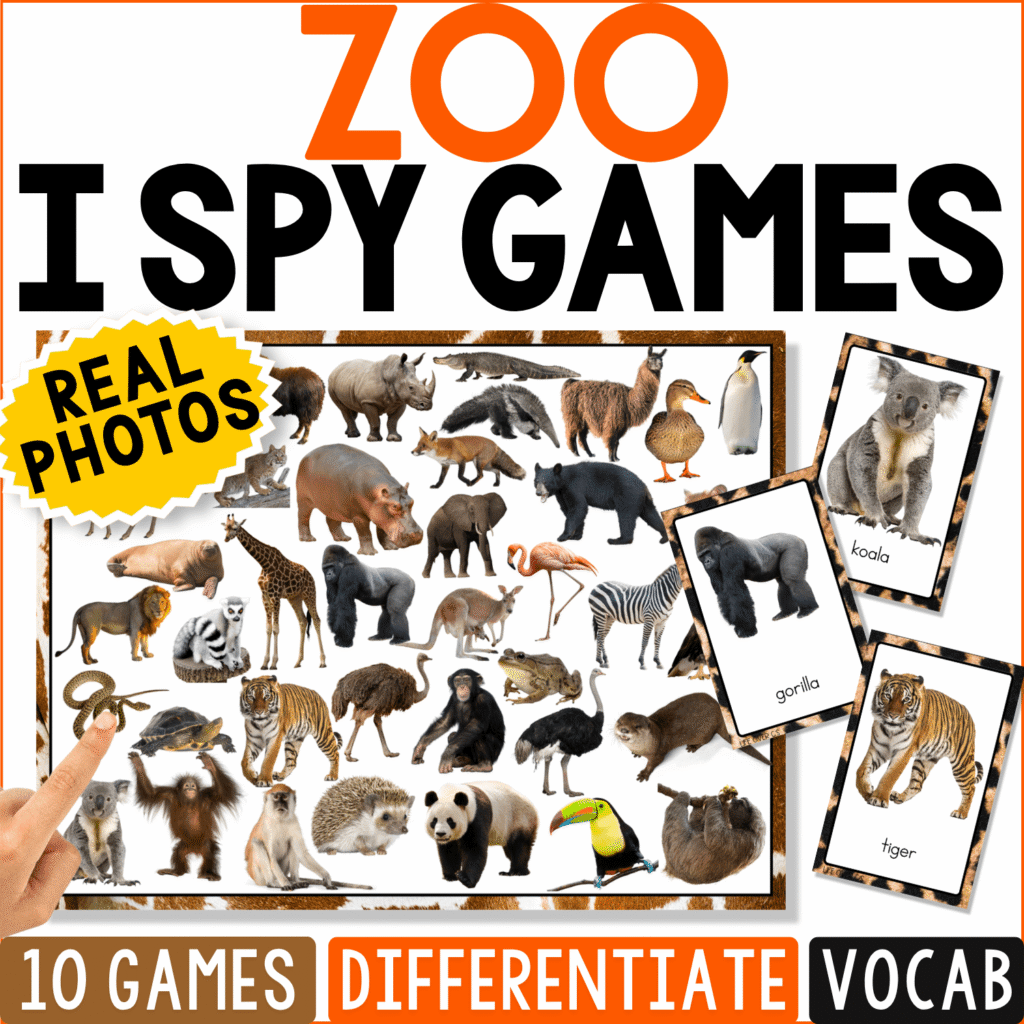
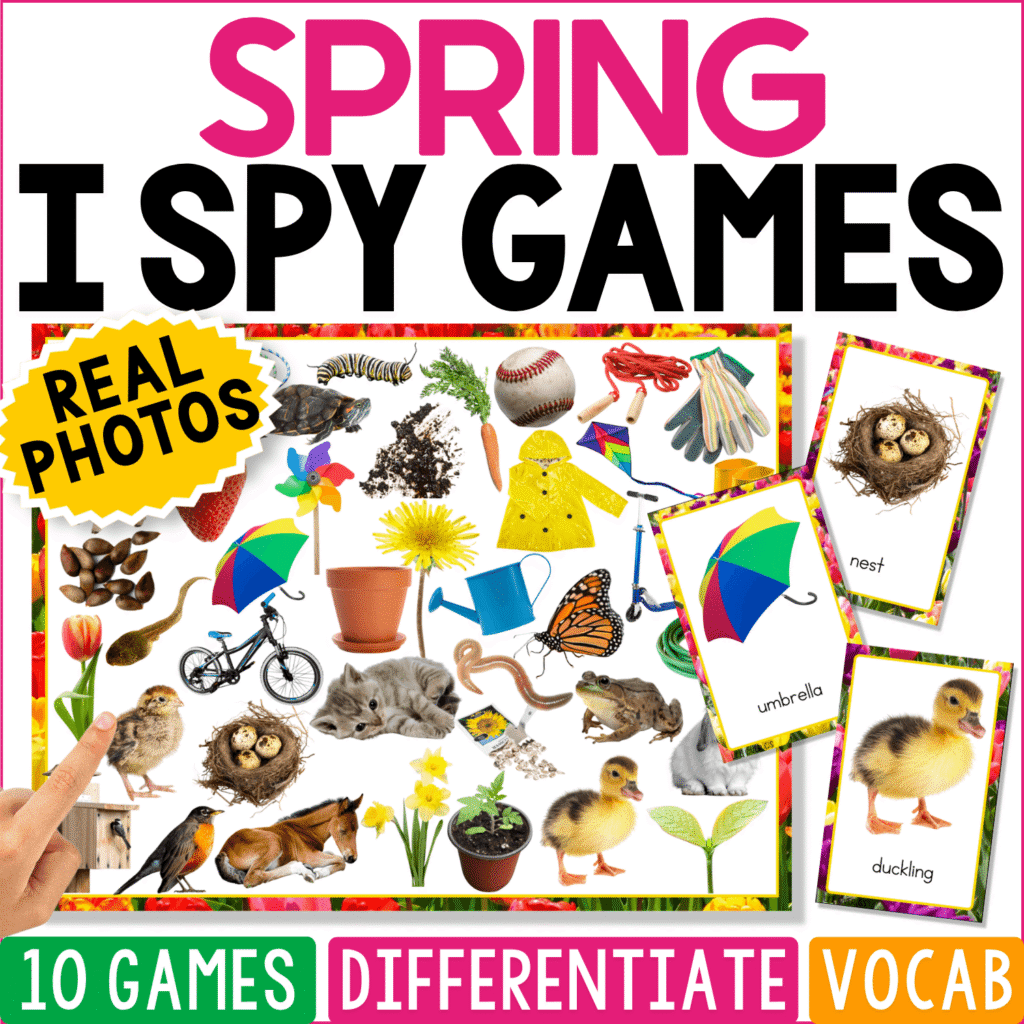
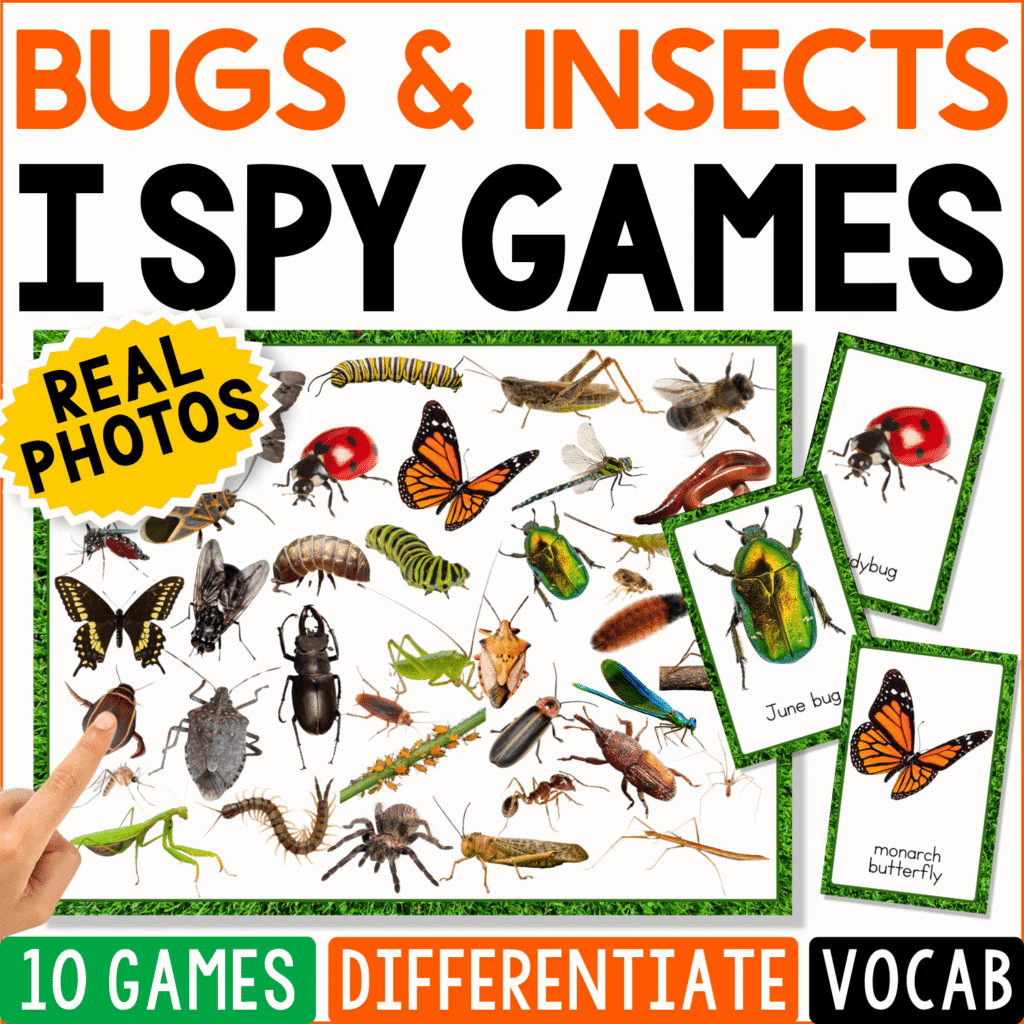
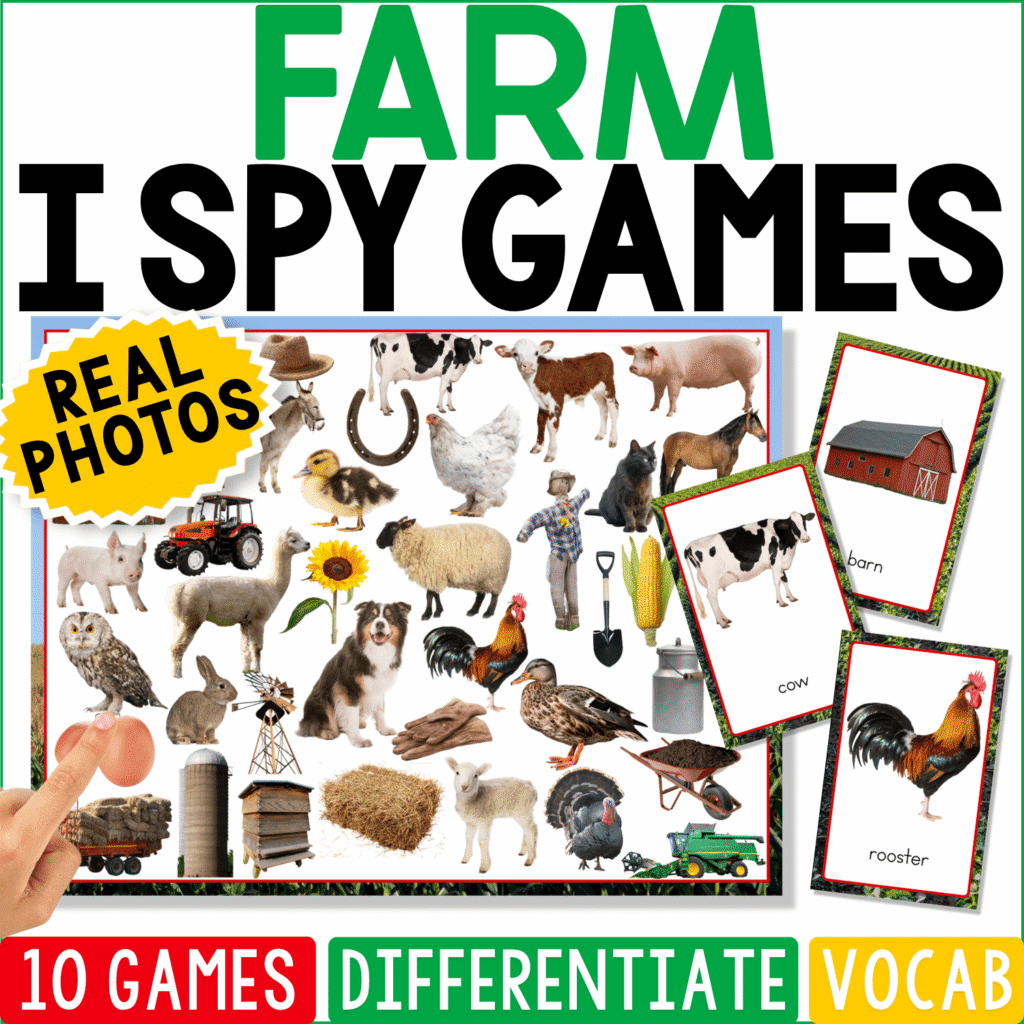
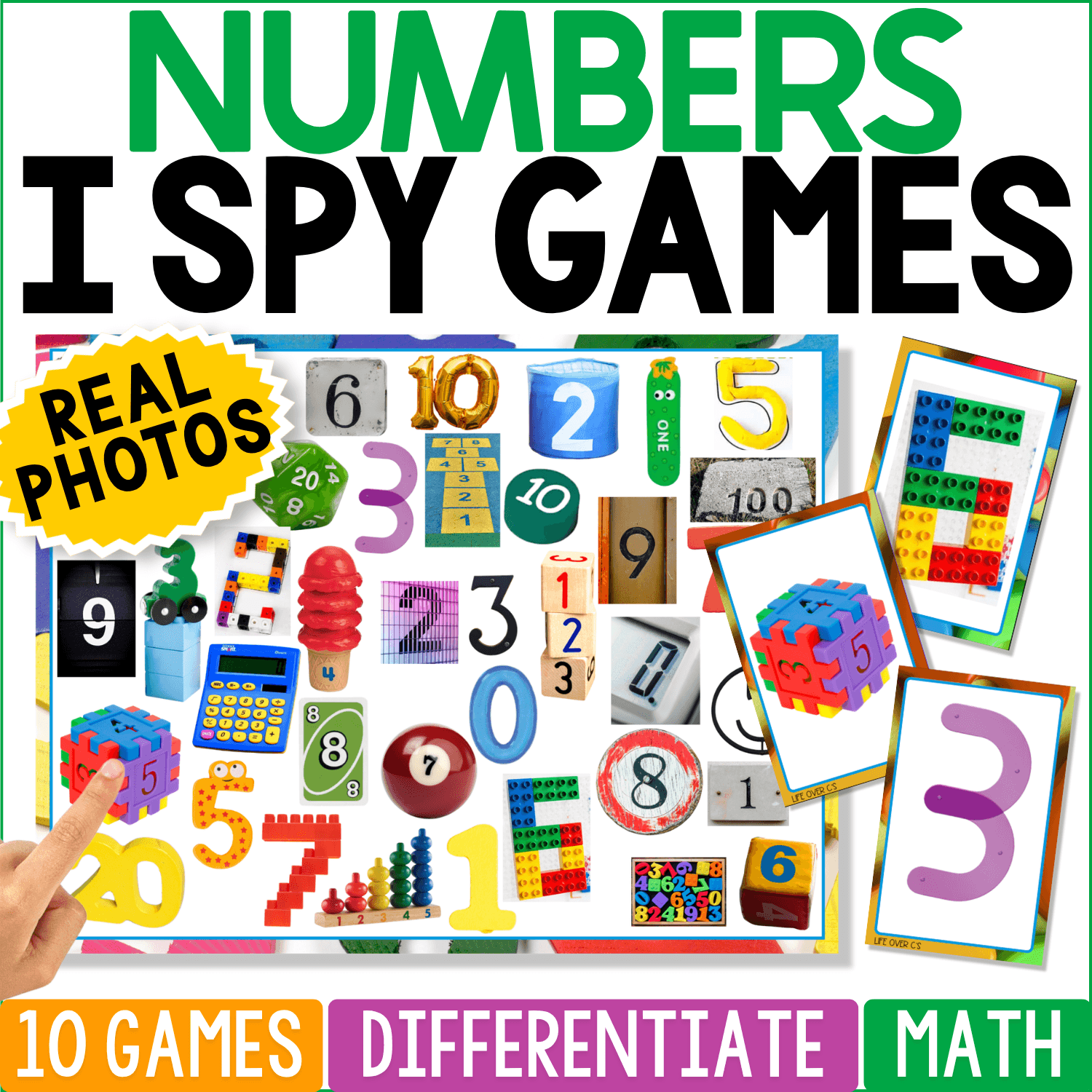
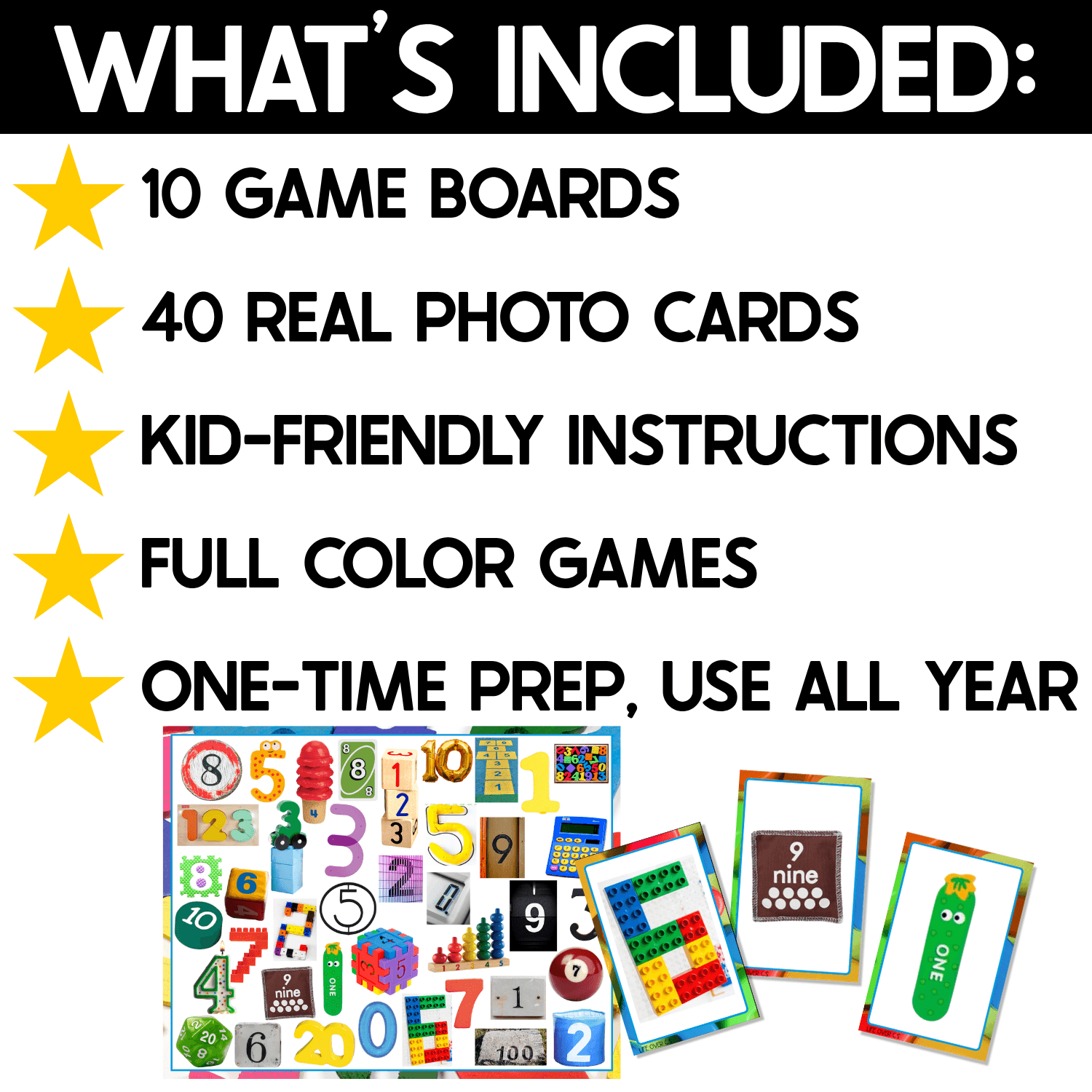
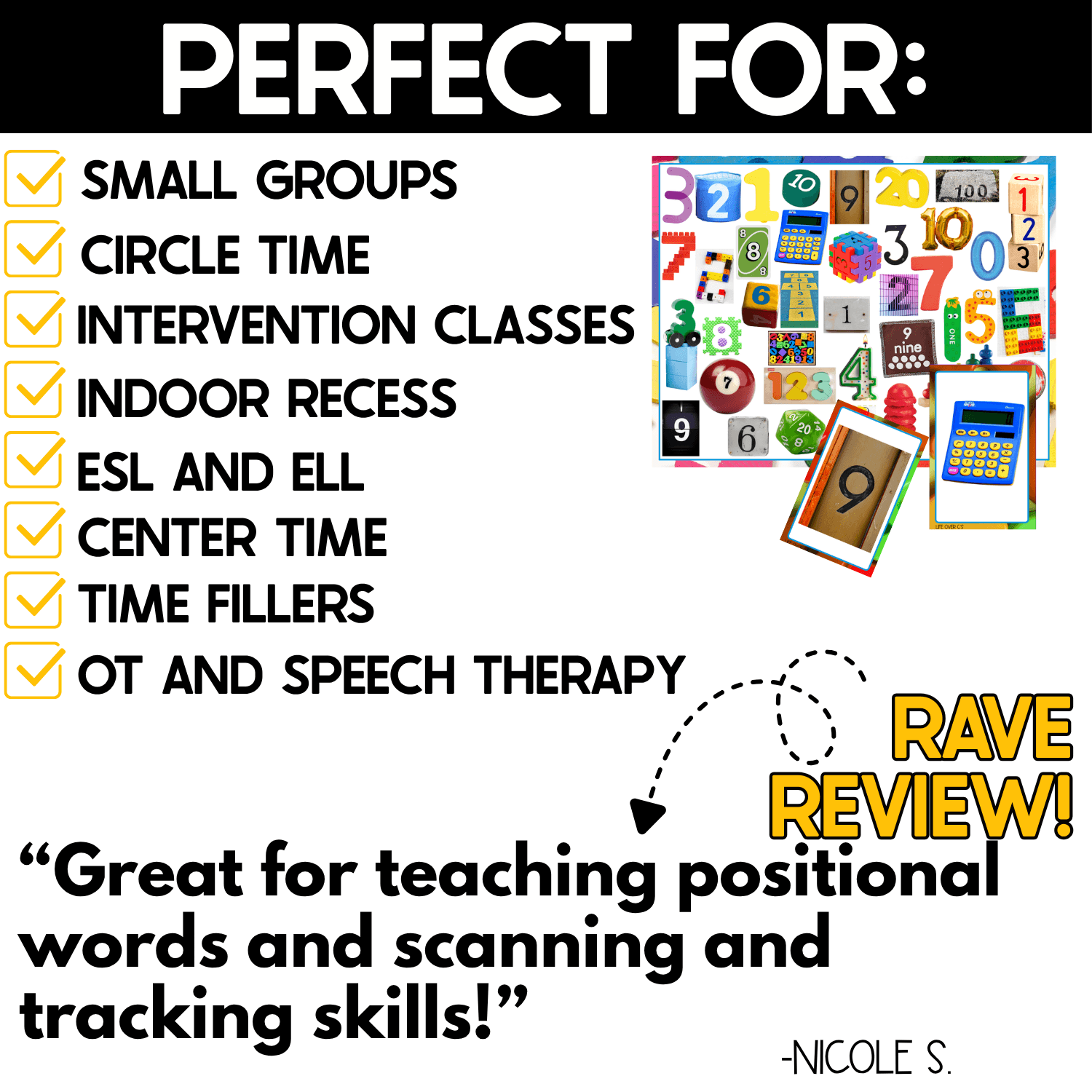
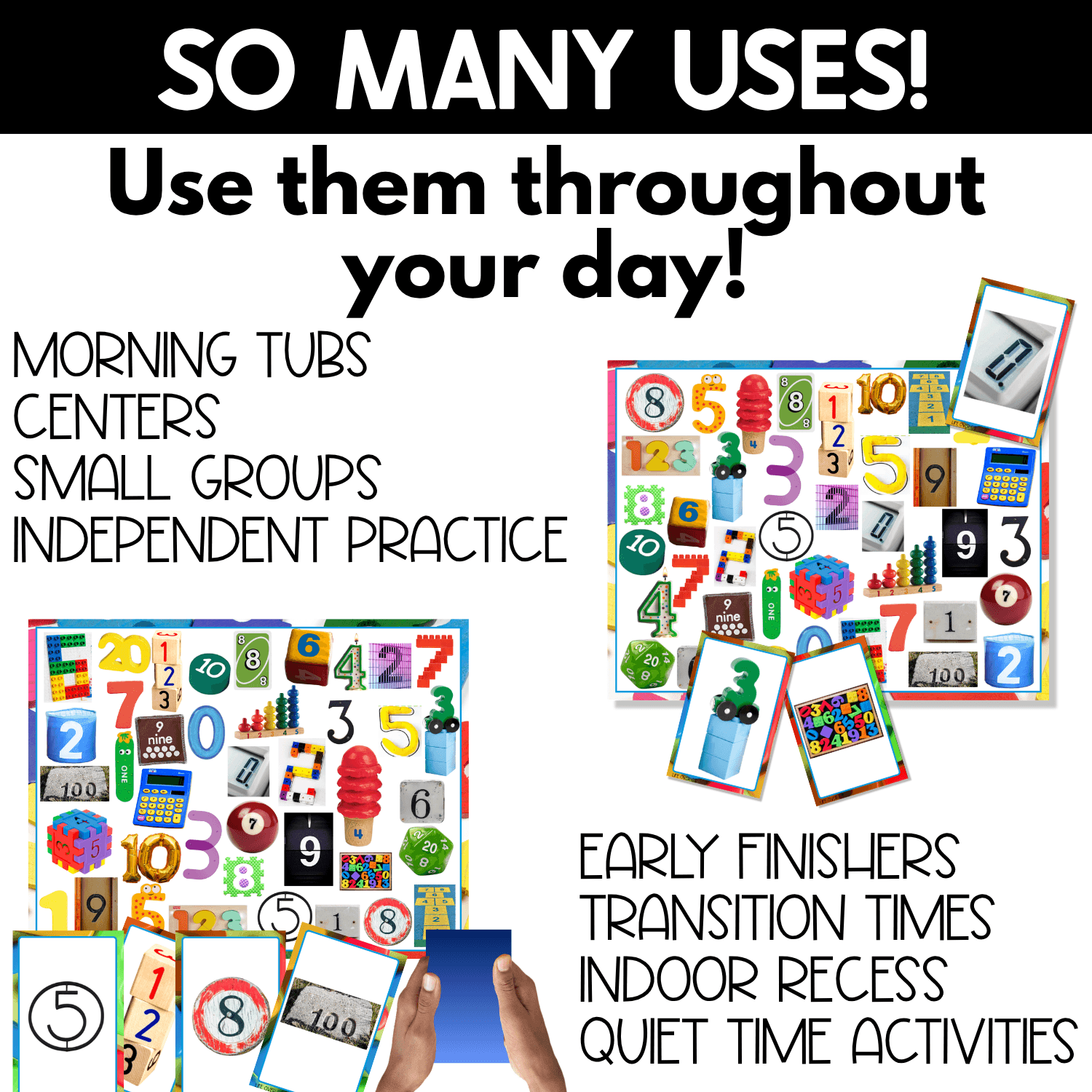
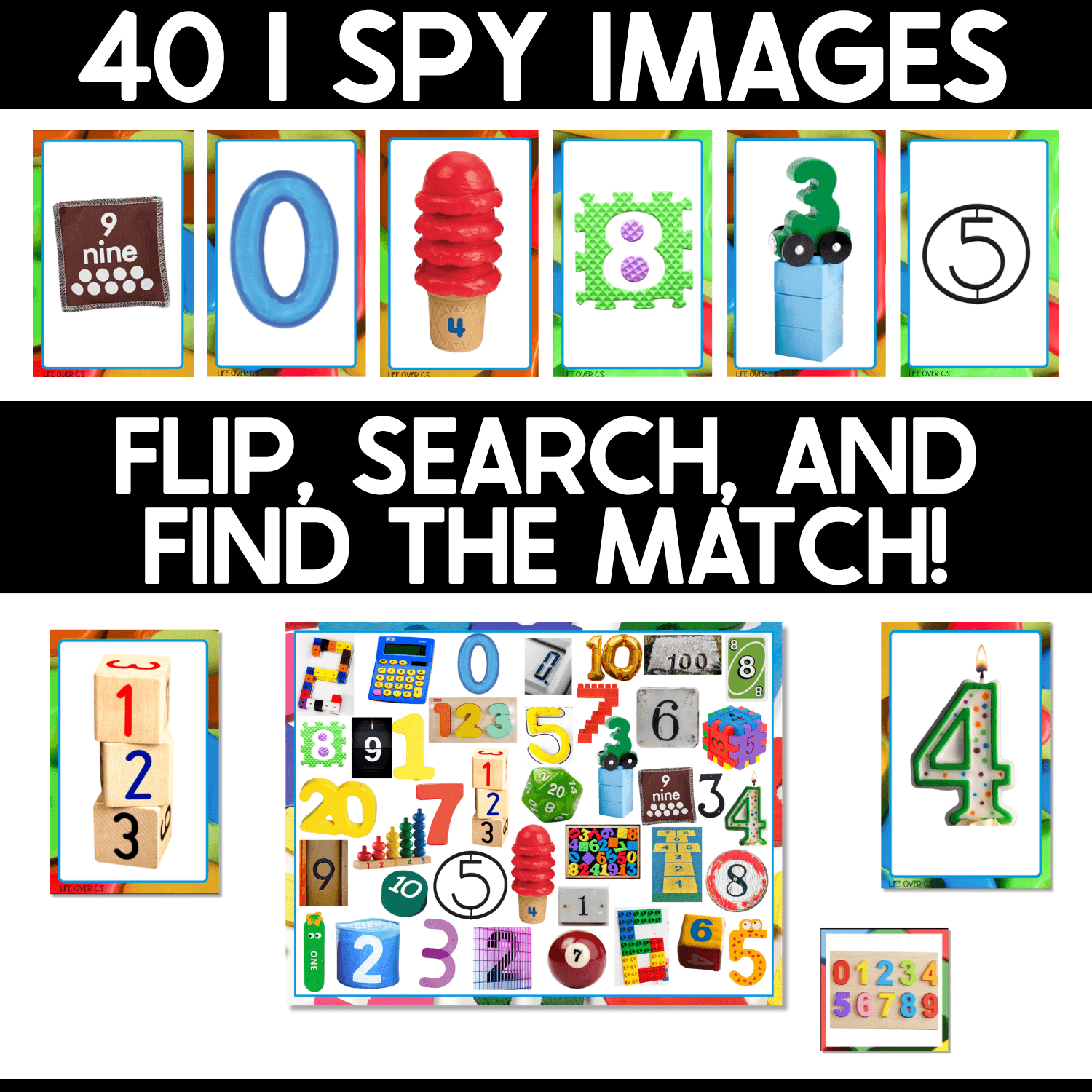
- 40 real photo I Spy picture cards, 8 to a page (number blocks, house numbers, calculators, playing cards, counting beads and more)
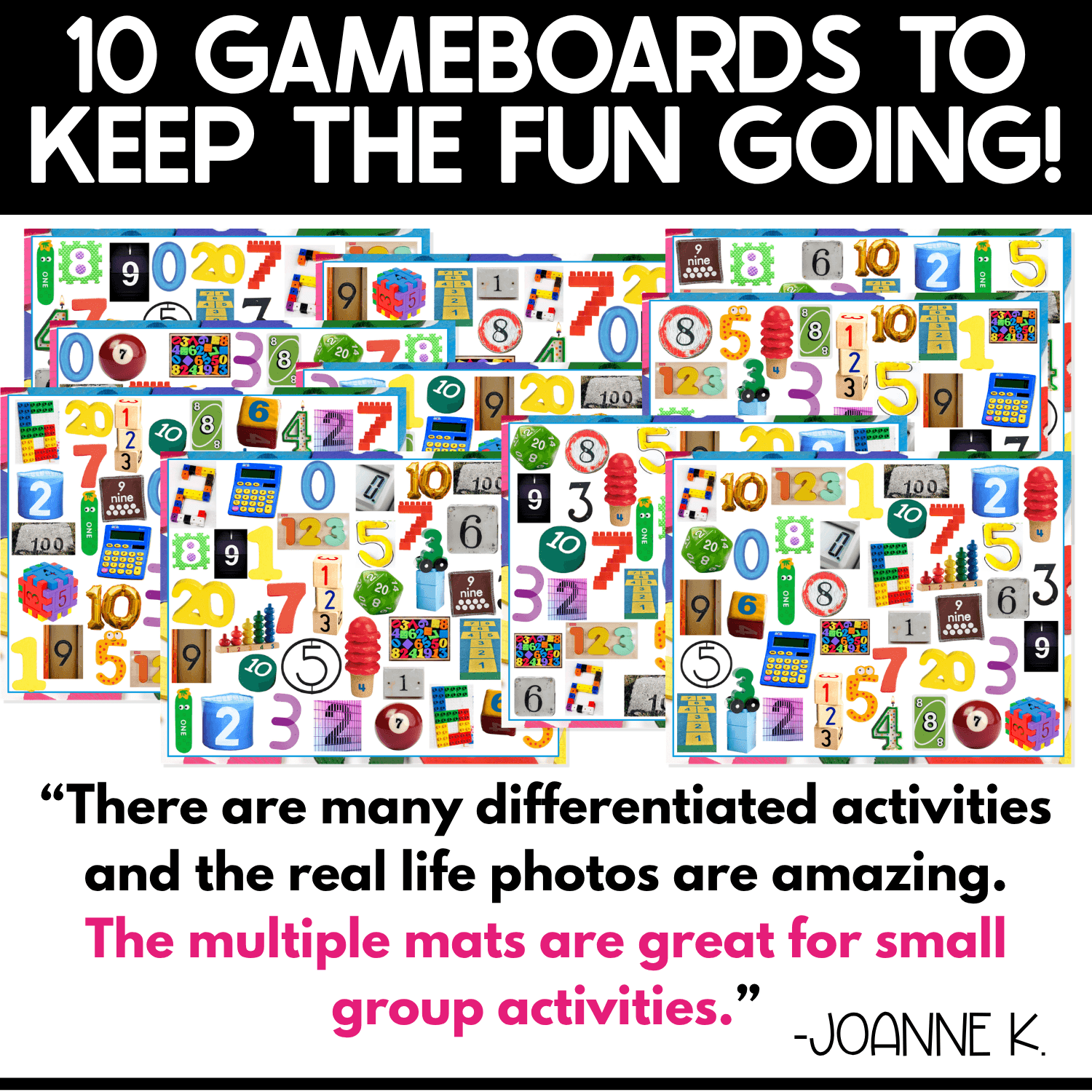
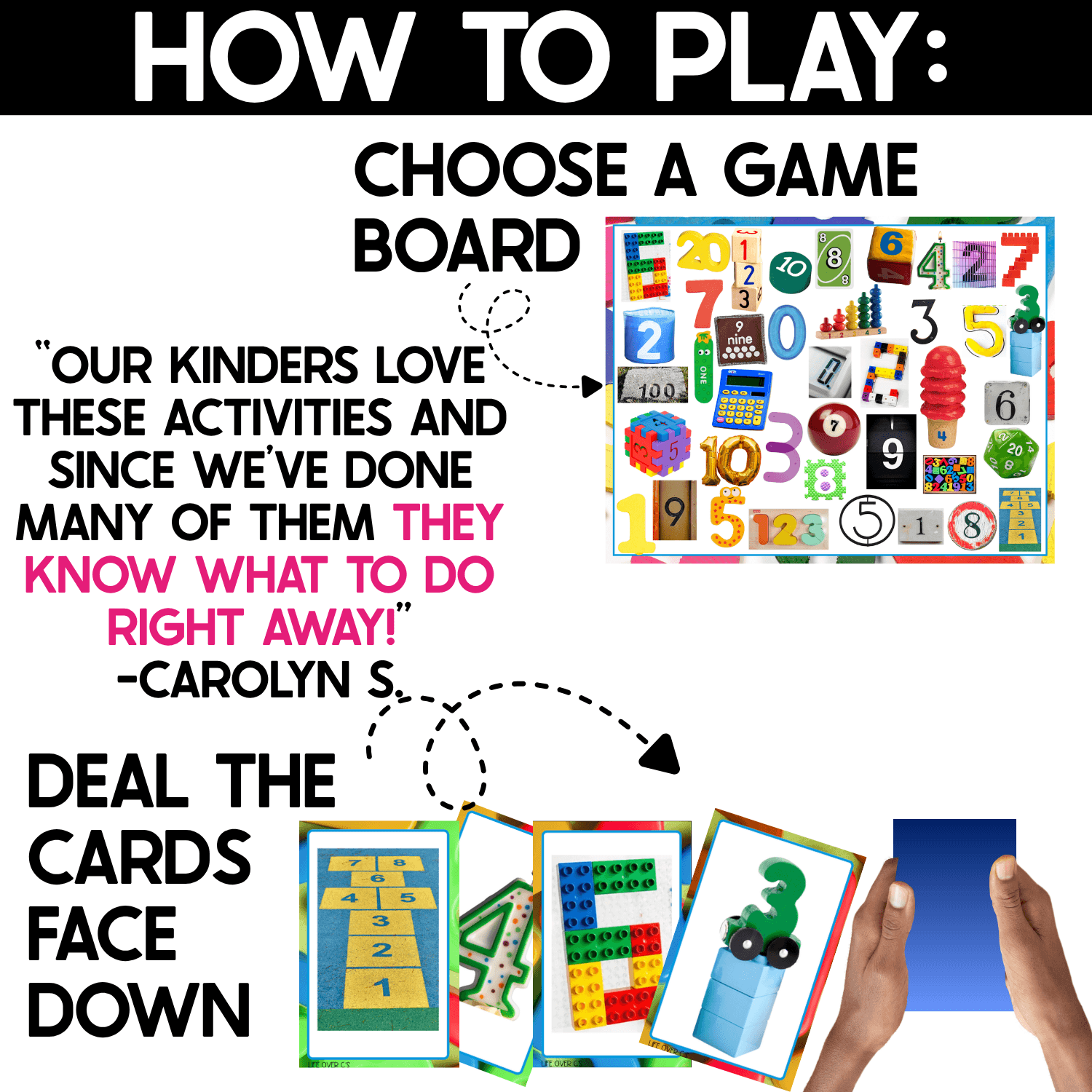
- 10 full-color real photo I Spy game boards
- 1 page of 20 number card tokens
- Table of contents and preparation directions
- I Spy “Flip” game instructions
The real photos match what kids see in everyday life, which makes it easy to connect new words to real things. Some photos look a lot alike, like the different blocks, signs and cards with numbers, so kids have to check the details to find the exact match.
Required Materials:
- White cardstock, printer and ink
- Laminator
- Paper cutter or scissors
- Optional: mini erasers or counters to use as tokens
Standards for Number Recognition and Speaking and Listening
This real life numbers I Spy game supports early math standards connected to recognizing numerals in the real world.
Common Core State Standards: Mathematics
- CCSS.MATH.CONTENT.K.CC.A.3: Write numbers from 0 to 20 and represent a number of objects with a written numeral. Kids name the numerals they see on everyday objects.
- CCSS.MATH.CONTENT.K.CC.B.4: Understand the relationship between numbers and quantities. Kids talk about what each number on a sign, card or block tells us.
Texas Prekindergarten Guidelines and TEKS for Mathematics
- PK4.V.A.5: Child recognizes numerals 0-10. Kids find and name numerals on real objects.
- TEKS K.2(B): Read, write and represent whole numbers from 0 to at least 20 with and without objects or pictures. Kids read the numbers on each photo.
Virginia Mathematics Standards of Learning
- K.NS.2.a: Read, write and identify the numerals 0 through 30. Kids identify the numeral on each card.
The Real Life Numbers I Spy “Flip” Board Game gives preschool and kindergarten kids hands-on practice with visual discrimination and number vocabulary using 40 real photo cards and 10 colorful game boards.
Flip a card and find the number 8! Kids race to spot numbers in real photos of everyday things on a busy I Spy board.
The real photo cards show number blocks, house numbers, calculators, playing cards, counting beads, hopscotch, numbered balls and number signs. Some photos look a lot alike, like the different blocks, signs and cards with numbers, so kids have to check the details to find the exact match.
Kids who aren’t reading yet can play right along, since every match is made by looking at the photos. Name each picture as you go to build vocabulary while kids search.
With 10 different game boards, the same photos land in new spots each round. That keeps the search fresh while kids build visual scanning, focus and attention to detail.
How to Play the Numbers I Spy Game
- Choose one I Spy game board and place it where every player can see it. Deal the picture cards face down so each player has a small stack.
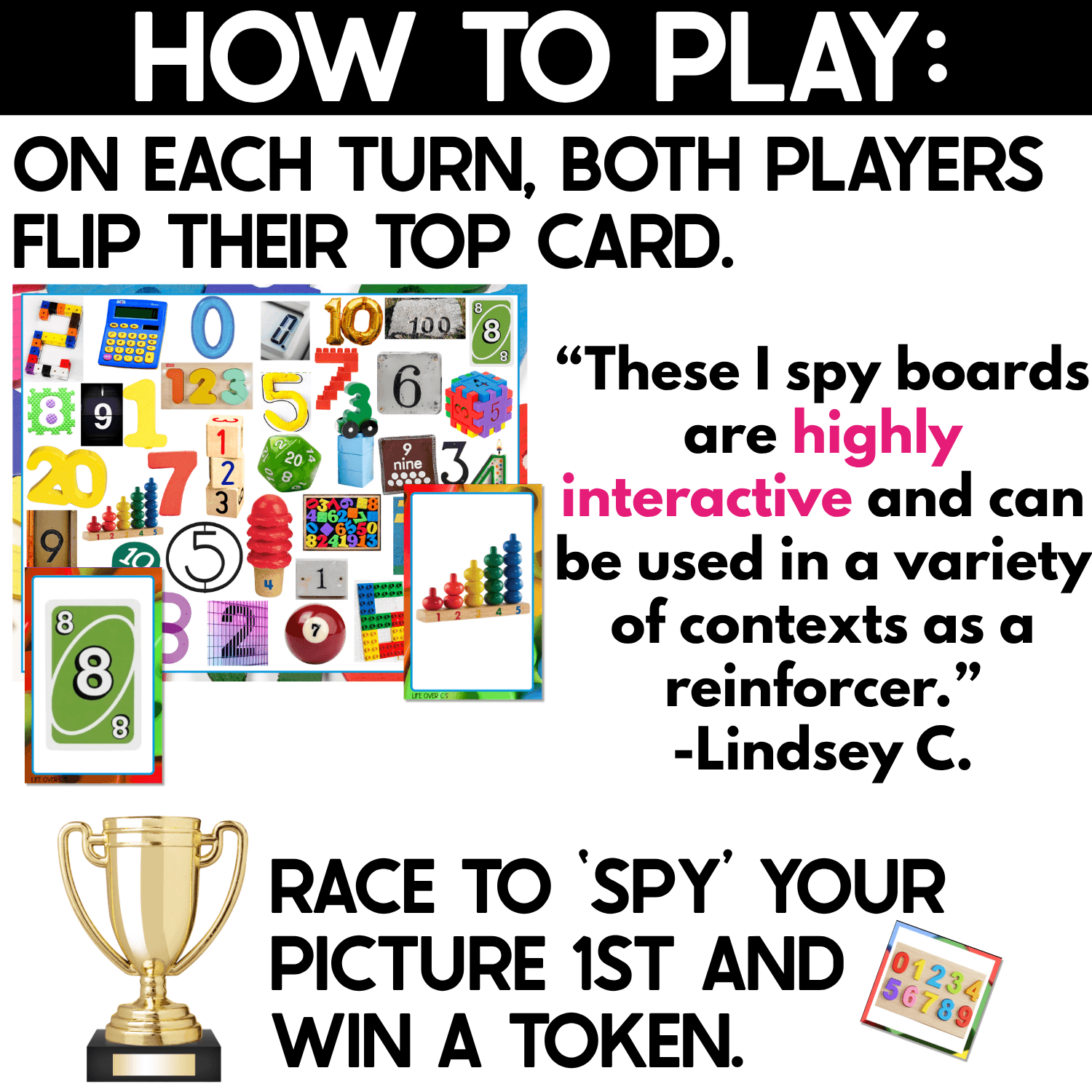
- All players flip their top card at the same time and race to find the matching picture on the board.
- The first player to point to the right picture names it, then wins a number card token or keeps the card as a point. Play until every card is flipped. The player with the most points wins!
Cooperative Play: Put the picture cards in one shared pile. Kids take turns flipping a card and work together to find it on the board. Cover each match with a token to see how many pictures the group can find.
Independent Play: Set one board and a stack of cards in a learning center. Kids flip one card at a time, find the picture and name it. Covering each picture with a token or mini eraser adds a little fine motor practice.
Easy Ways to Differentiate This Numbers I Spy Game
Numbers are all around us, and this game helps kids see them in real life. Some children are still learning to recognize numerals, some can read every number on the cards and some are ready to talk about how people use numbers. The real photos of house numbers, playing cards, calculators and hopscotch show numbers in places kids know. These cards are photos only, with no printed words.
For Children Who Need More Support:
- Start with the numbers 1 to 5 on blocks and playing cards. Small numbers are easier to recognize.
- Trace each numeral with a finger before searching. Tracing helps kids remember the shape of each number.
- Point to the area of the board where the number is and let kids finish the search. A smaller area keeps the search successful.
- Say the number out loud as kids search. Hearing the number name helps connect it to the numeral.
For On-Level Practice:
- Sort the cards by where you see numbers, like at home, at school or outside. Sorting by place shows numbers are everywhere.
- After each match, ask “What is this number used for?” Talking about use builds number sense.
- Compare the different blocks, signs and cards and name one difference. Close looking is the skill the game practices.
- Go on a number hunt in the room and find numbers like the ones on the cards. Real-world searching extends the game.
For an Extra Challenge:
- Add the numbers on two cards you find in a row. Quick addition adds a math challenge.
- Put the number cards in order from least to greatest. Ordering builds number sense.
- Write a list of places kids saw numbers this week. Writing connects math to real life.
- Explain how a calculator helps people solve problems. Explaining builds math language.
For Speech, OT, ELL or Special Education Support:
- Speech: practice number words with tricky sounds, like three, six and seven, as kids name each card.
- Fine motor: draw a real hopscotch with chalk and write the numbers after the game. Writing big numbers builds hand control.
- ELL: ask kids to read the house numbers and sign numbers in their home language, then in English. Saying a number two ways shows the child already knows it.
- Visual support: use a number line near the board so kids can check numeral shapes. A visual reference builds independence.
Numbers I Spy Game Is Perfect For:
- Preschool and pre-K
- Kindergarten
- Number of the day
- Math centers
- Small-group instruction
- Speech and language therapy
- Occupational therapy
- Special education
- ELL and multilingual learners
- Homeschool
- Early finishers