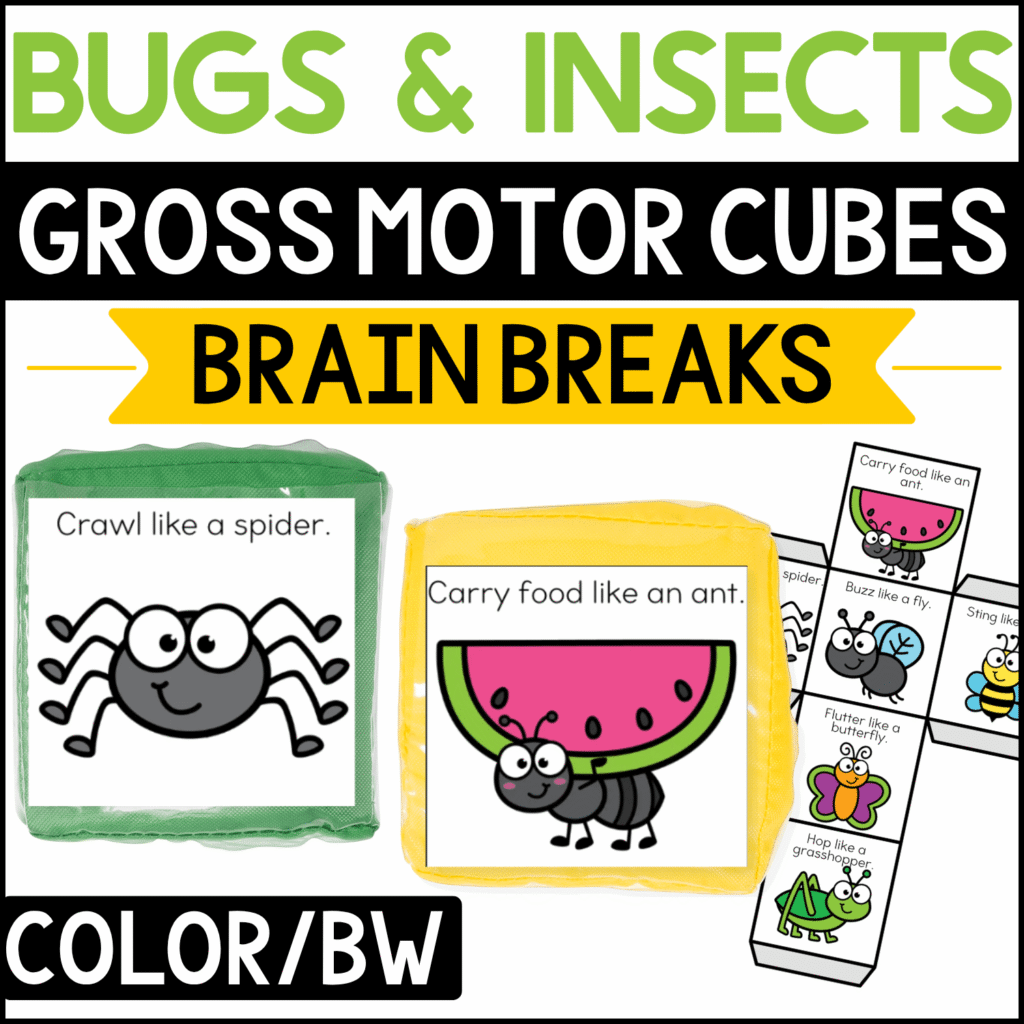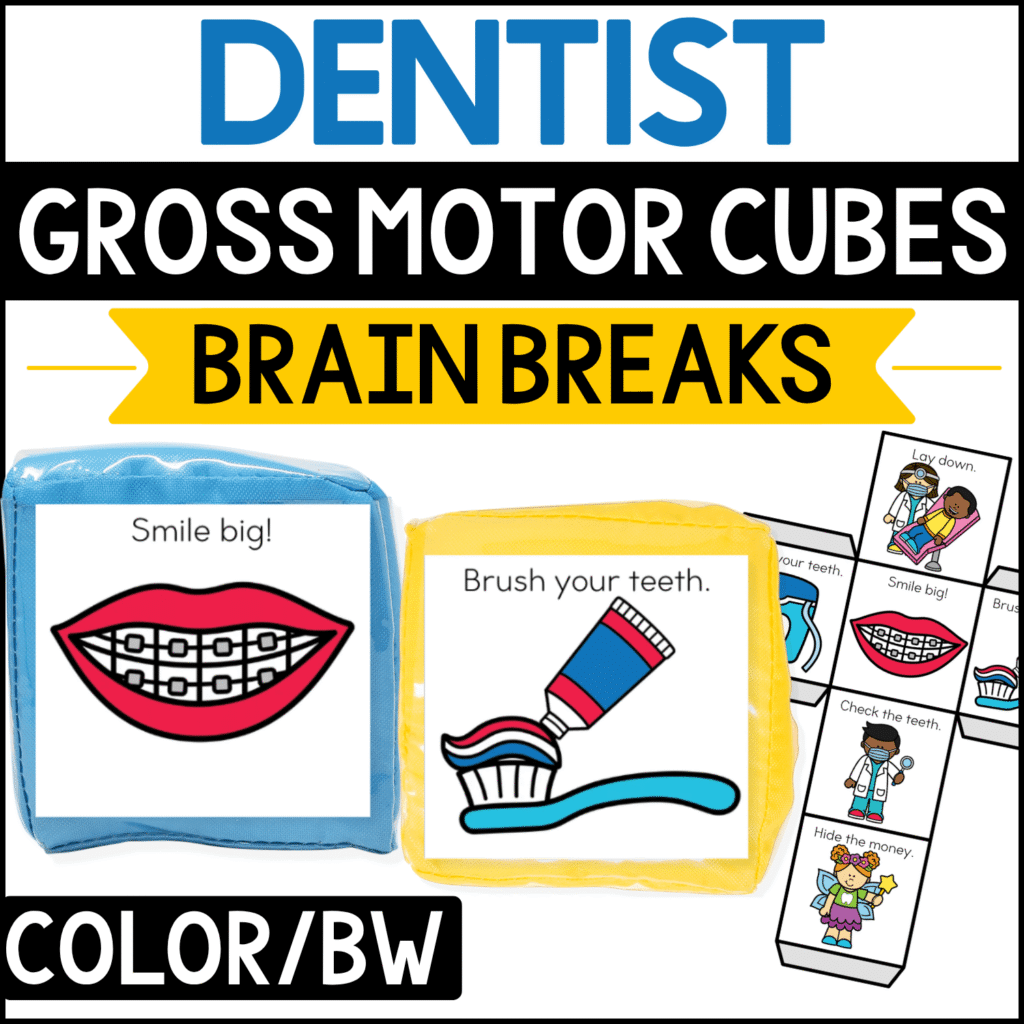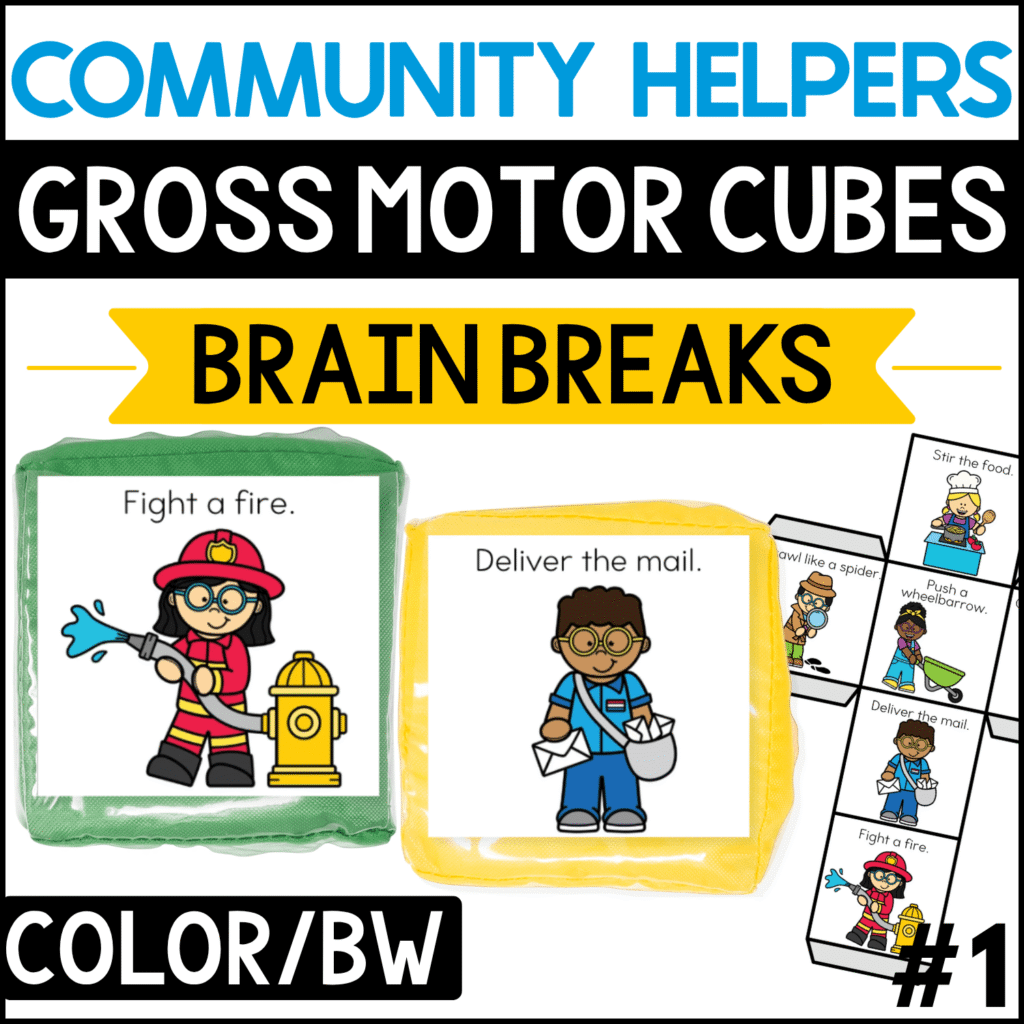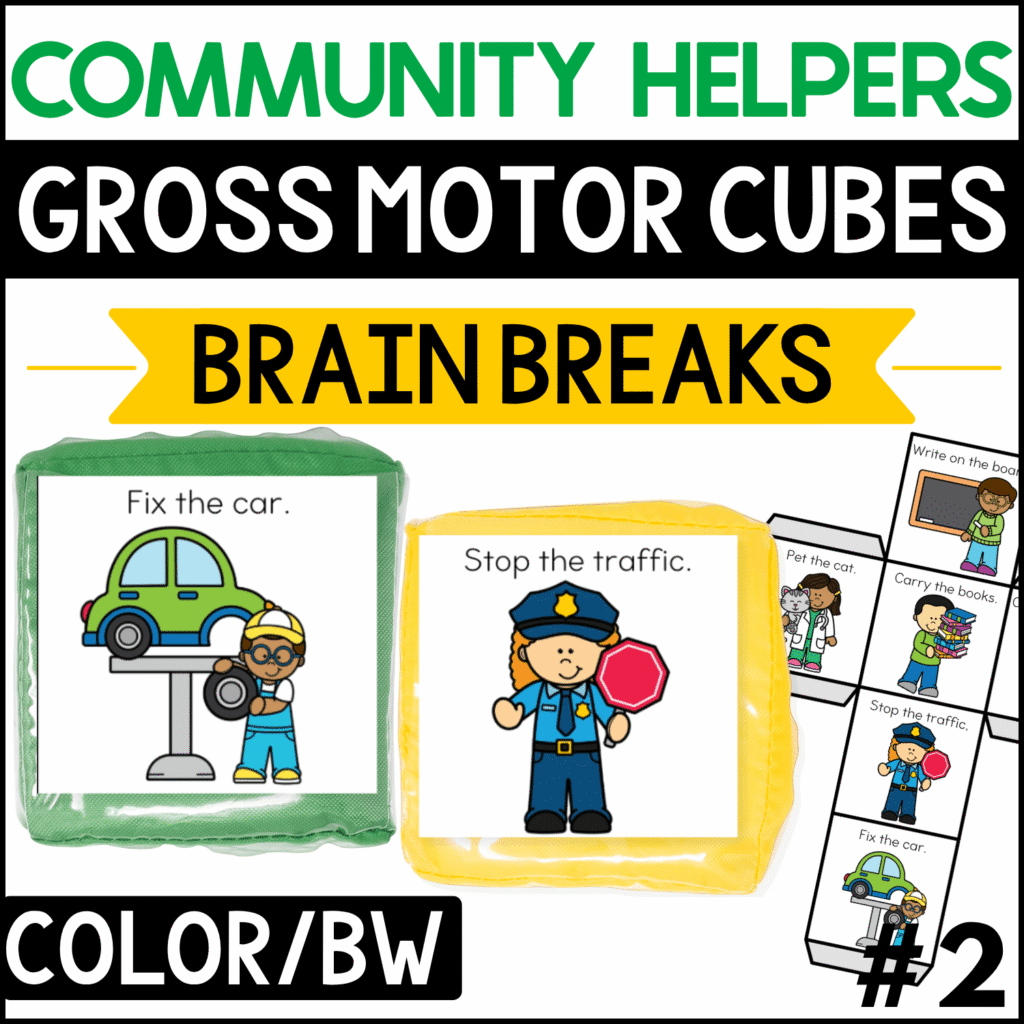


Brain Break Dice: Zoo Animal
Recommended Grade Level:
Type of Resource: PDF
Number of Pages: 8

You must be an Annual or Forever Member to Access this Resource.
Join the Life Over C’s Club to Access
Already a member? Login below:



What’s Included in the Zoo Animal Brain Break Cube?
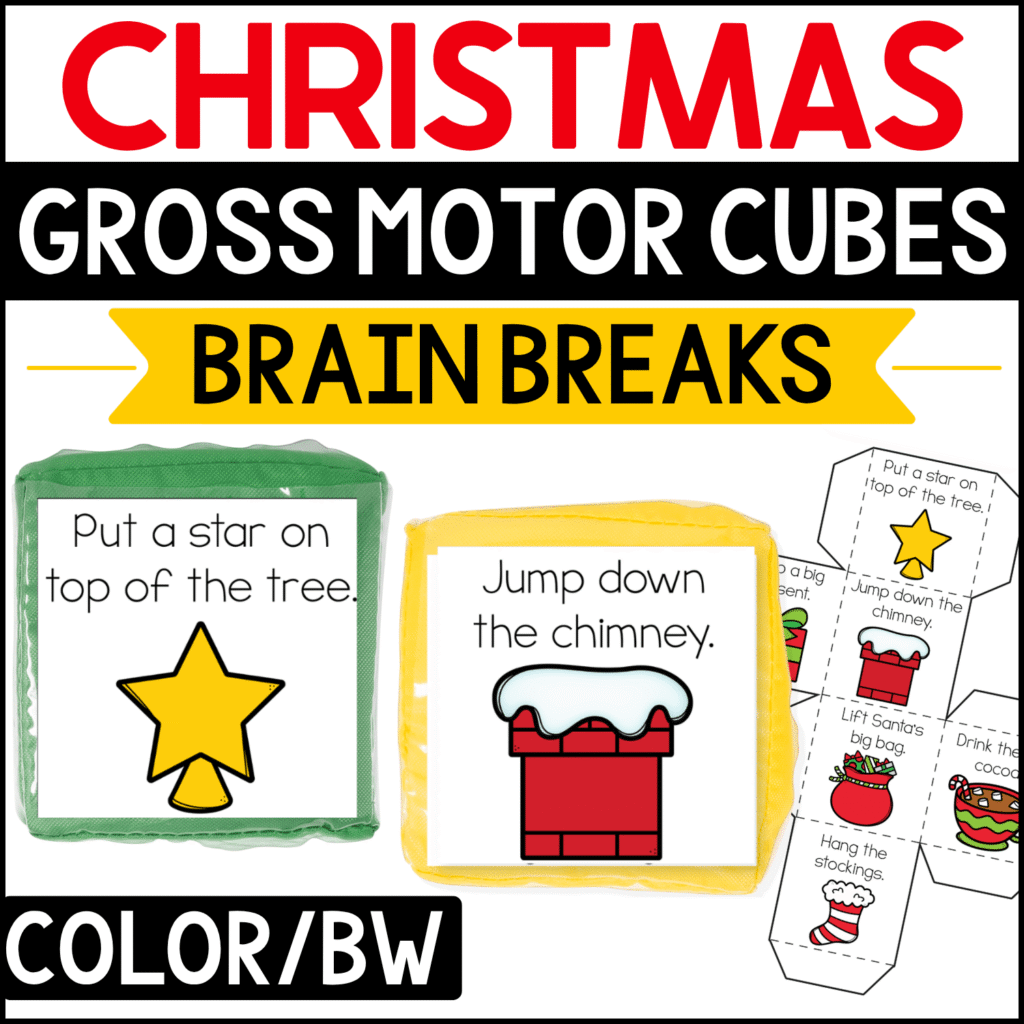
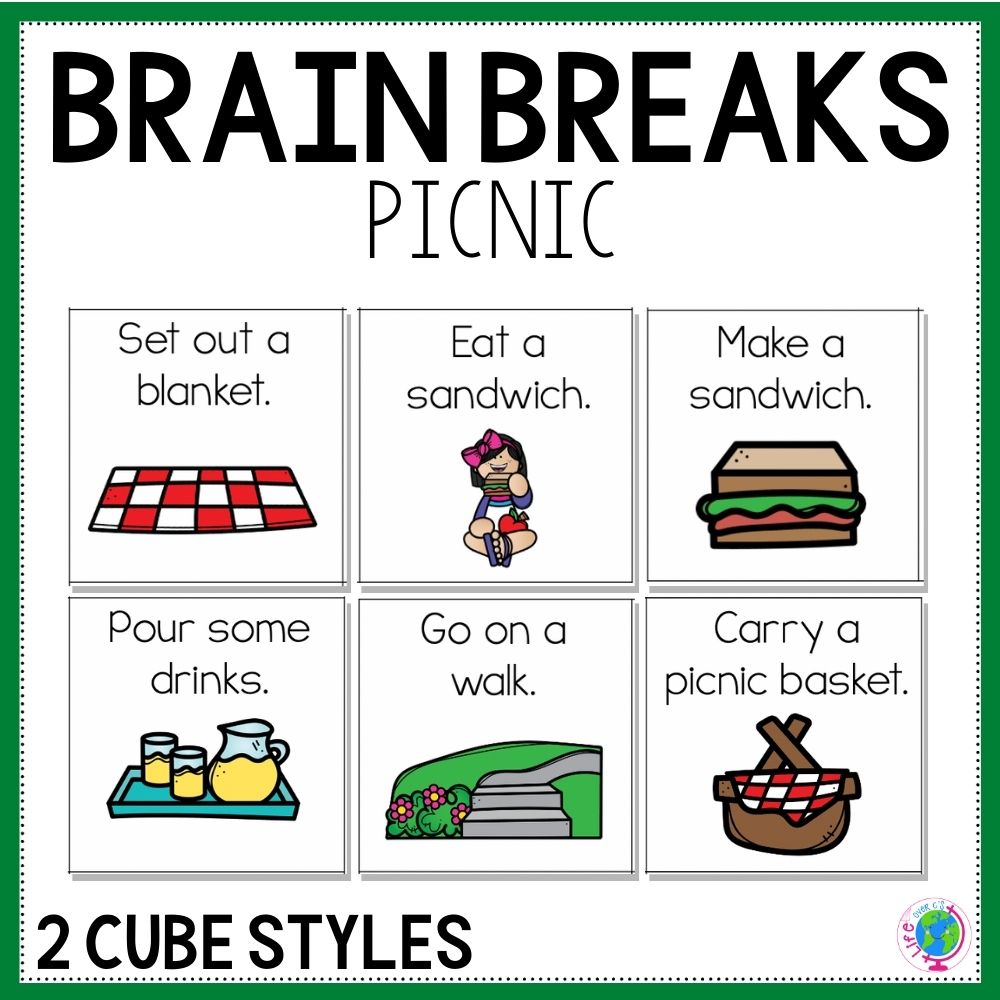
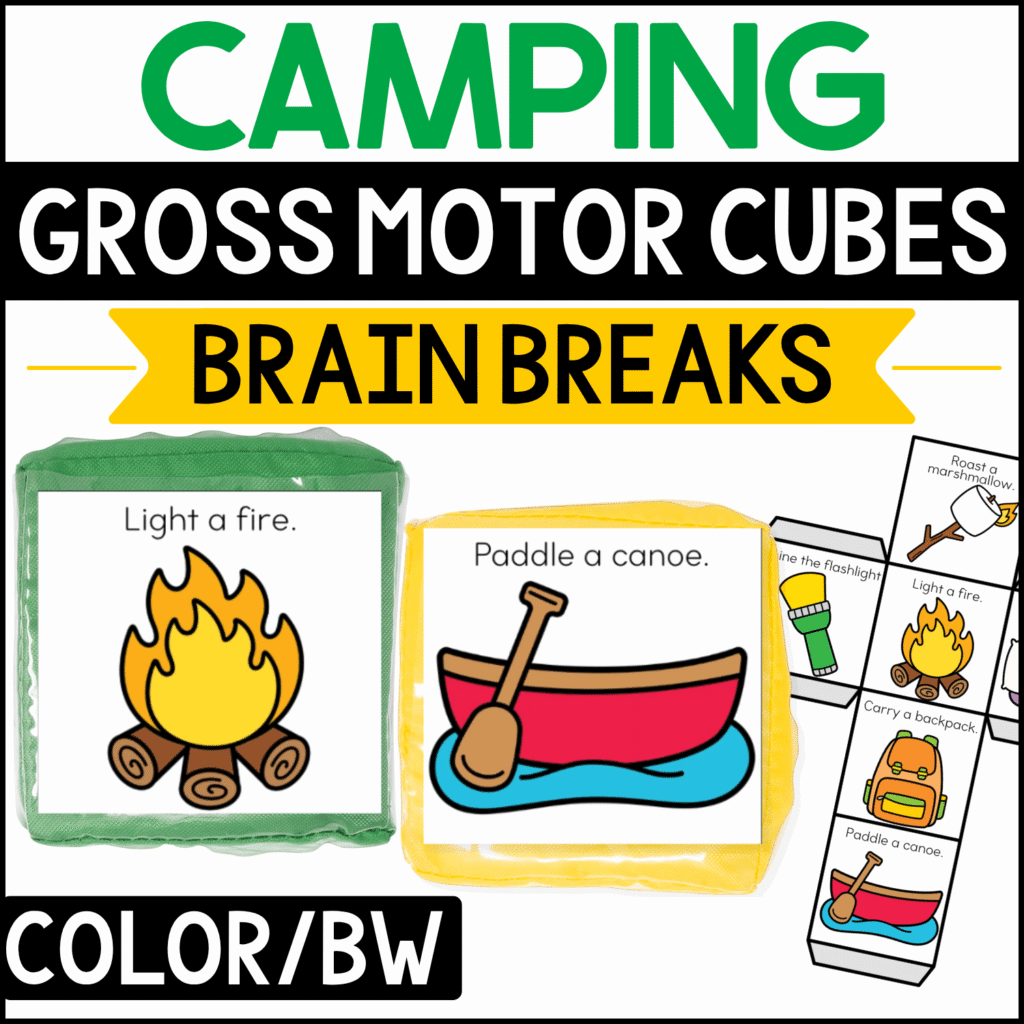
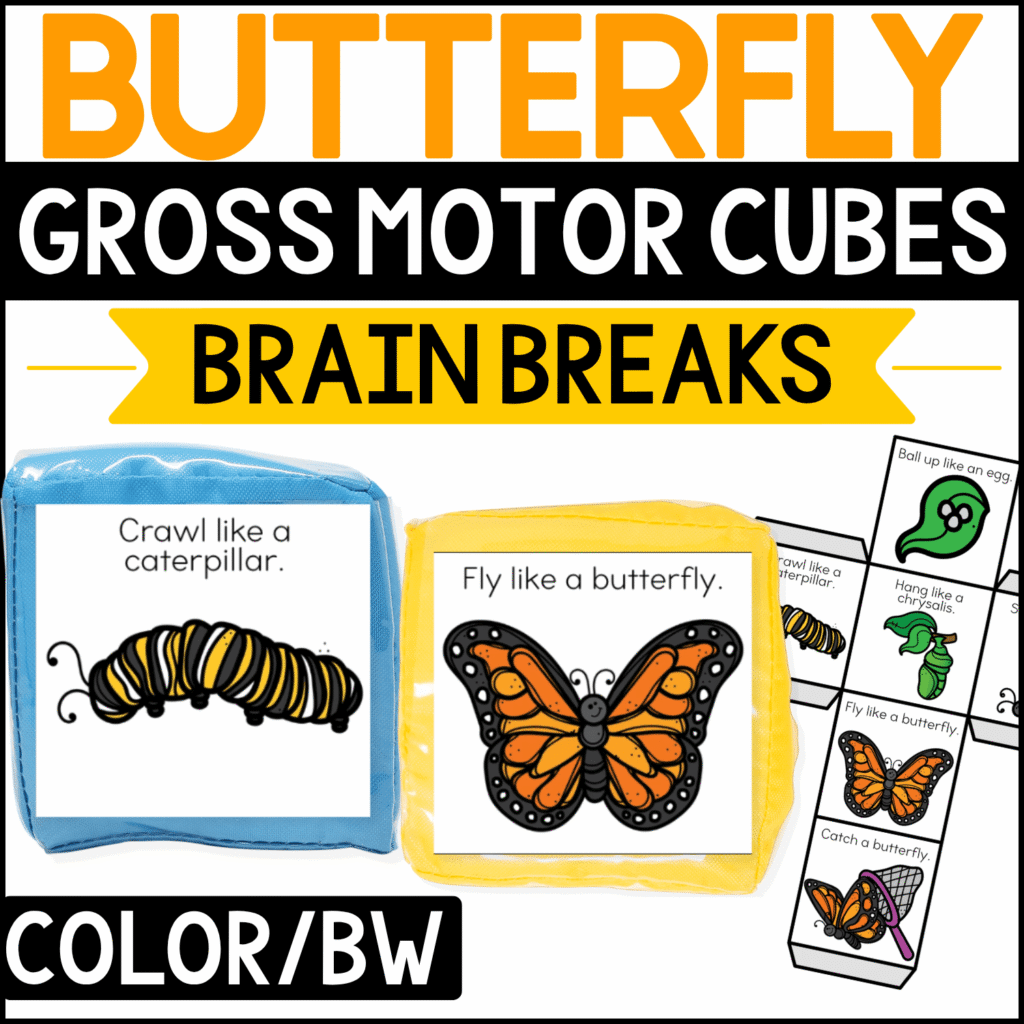
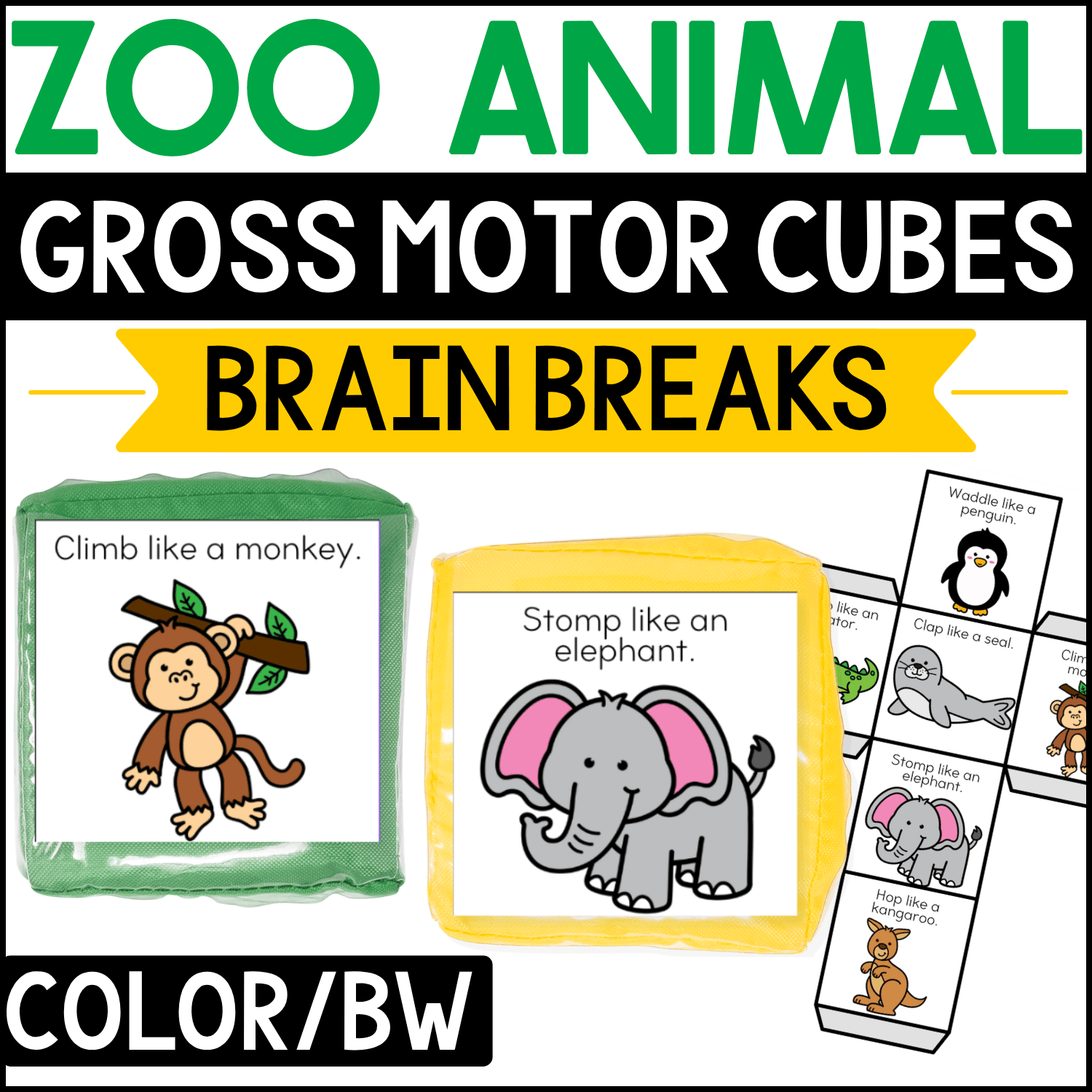
- Colorful zoo animal cube inserts featuring six engaging movements: stomp like an elephant, hop like a kangaroo, chomp like an alligator, clap like a seal, climb like a monkey, and waddle like a penguin. Each action brings the zoo theme to life and gets kids moving.
- Black-and-white cube inserts that save ink and double as a coloring activity for students. This adds a fine motor element while still supporting gross motor play.
- DIY cube template so you can create your own brain break cube without needing special materials. Just print, cut, fold, and tape. It is perfect for quick prep.
- Step-by-step teacher directions to make introducing and managing your zoo animal brain breaks simple and stress-free.
Required Materials:
- Laminator
- Paper Cutter
- Paper, Printer, Ink
Standards Alignment
✔ Texas Pre-K Guidelines: Physical Development, Gross Motor Skills (movement, coordination, balance)
✔ Virginia ELDS: Physical Development, Building strength, flexibility, and large motor control
✔ Common Core ELA:
- SL.K.1: Participate in collaborative conversations (taking turns, sharing ideas during group activity)
- L.K.6: Use words and phrases acquired through conversations and play (action words, zoo vocabulary)
✔ SEL Standards: Supports self-regulation, relationship skills, and classroom community through cooperative play.
Skills Addressed with Zoo Theme Brain Breaks
Primary Academic and Physical Development Skills
- Gross motor skill development: Every roll encourages large muscle movement like stomping, hopping, or climbing. These activities strengthen balance, coordination, and core strength.
- Listening comprehension and following directions: Students practice hearing the action, understanding it, and carrying it out. This is an important preschool and kindergarten skill.
- Animal vocabulary and thematic learning: Children connect action words to familiar zoo animals, expanding their vocabulary with fun, meaningful context.
- Body awareness and spatial movement: Kids learn how to move their bodies in safe ways within a group setting.
Secondary Life Skills and SEL Benefits
- Self-regulation and sensory breaks: Rolling the brain break cube helps children reset and calm their bodies so they can re-engage with learning.
- Social skills and cooperative play: Taking turns rolling the cube and moving together builds teamwork, patience, and classroom community.
- Confidence and risk-taking in a safe space: Acting out silly zoo animals gives kids a chance to shine and enjoy playful self-expression.
- Attention and focus for transitions: Short, structured breaks increase classroom readiness and reduce challenging behaviors.
Secondary Life Skills and Social-Emotional Skills
- Turn-taking and cooperative play – Kids practice waiting for their turn, cheering on peers, and celebrating wins in a positive way, which strengthens social interaction and classroom community.
- Confidence and self-expression – Correctly identifying emotions builds confidence in personal skills and encourages children to share their own feelings more openly.
- Empathy and communication – By describing emotions they see, players begin to understand how others might be feeling, supporting empathy and relationship-building.
- Focus and persistence – Staying engaged through the entire round helps children practice perseverance and builds stamina for other classroom activities.
Learning doesn’t just happen at a desk. Sometimes kids need to wiggle, stomp, clap, and move their whole bodies before they’re ready to focus again.
This Zoo Animal Brain Break Cube turns transition time into an active adventure. Each roll of the cube invites children to act out a fun movement like stomping like an elephant, climbing like a monkey, or waddling like a penguin.
These quick gross motor activities are an easy way to add sensory play and energy release to your preschool, kindergarten, or early elementary routine.
Perfect for circle time, transition activities, indoor recess, sub plans, or occupational therapy sessions, this cube makes movement breaks fun, engaging, and themed for kids who love zoo animals!
How to Play with the Gross Motor Action Cube
- Print your choice of color or black-and-white inserts.
- Slide the inserts into a differentiated instruction cube, or assemble the included DIY paper cube.
- Choose a student to roll the cube during circle time, transition time, or recess.
- Read the animal action out loud together, like “Hop like a kangaroo!” and encourage the whole class to join in.
- Keep rolling until the giggles and movement have helped your students get the brain break they need.
It is quick, easy, and guaranteed to bring joy to your zoo theme gross motor activities.
How and Where to Use the Zoo Brain Break Cube
- Circle time brain breaks: Add movement into your daily routine to keep circle time engaging.
- Transition activities: Smoothly guide students between centers, subjects, or lessons with short bursts of movement.
- Indoor recess games: Perfect for rainy days when kids need energy release but cannot get outside.
- Occupational therapy and sensory play: Supports gross motor development and sensory input in OT sessions.
- Speech therapy and ESL/ELL support: Reinforces animal names and action verbs in a fun, visual way.
- Sub plans: A no-prep option that keeps kids learning and moving even when you are out.
- Homeschool learning breaks: Give your preschoolers and kindergarteners playful movement time between lessons.