Numbers 0-120 Hide and Seek: Basketball
Recommended Grade Level:
Type of Resource: PDF
Number of Pages: 29

You must be an Annual or Forever Member to Access this Resource.
Join the Life Over C’s Club to Access

Already a member? Login below:
Coordinating Resources:




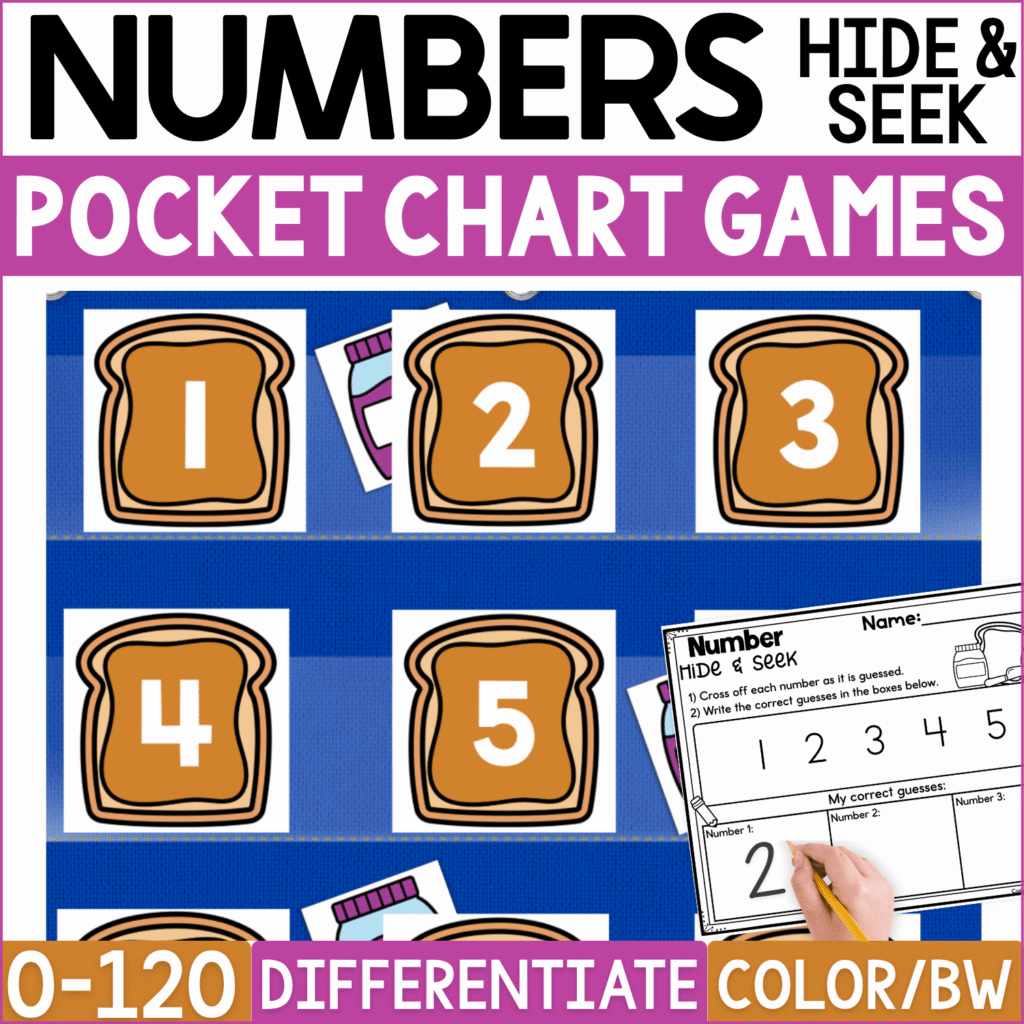
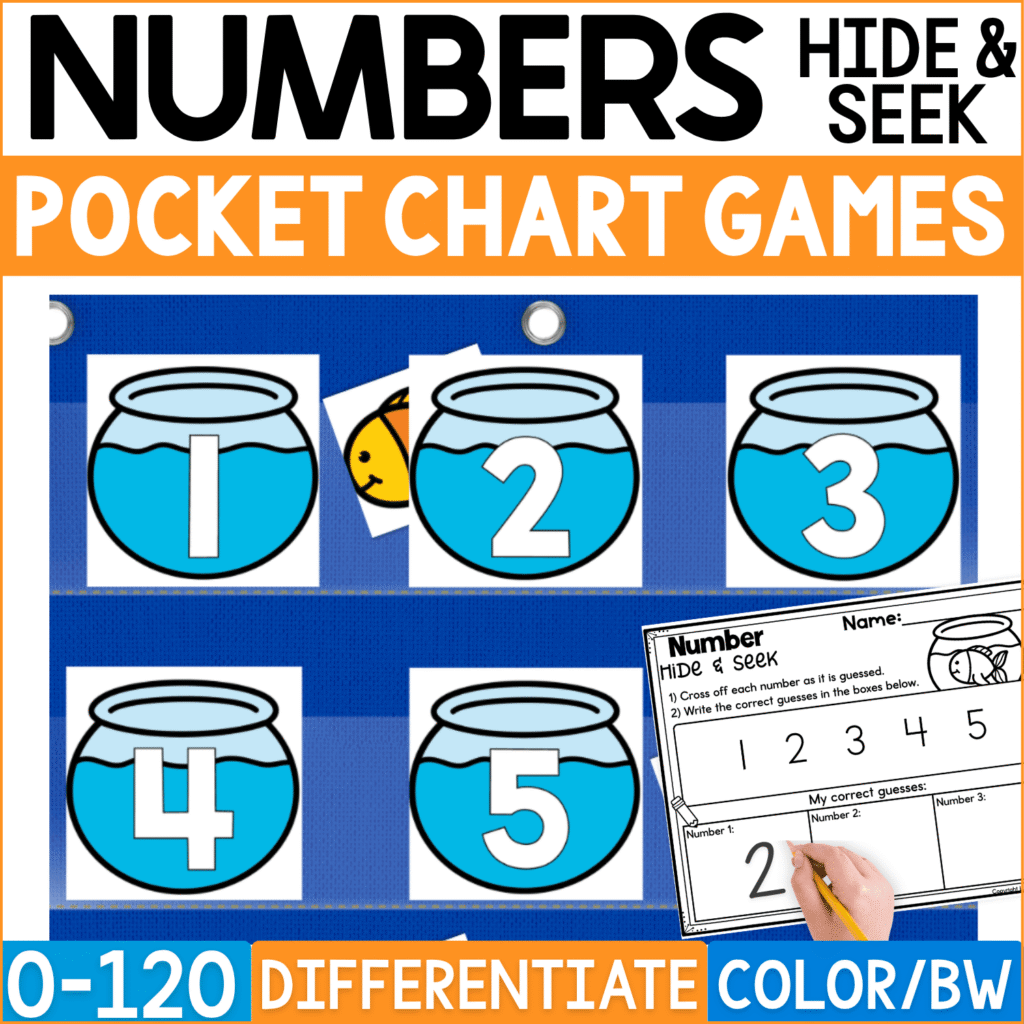
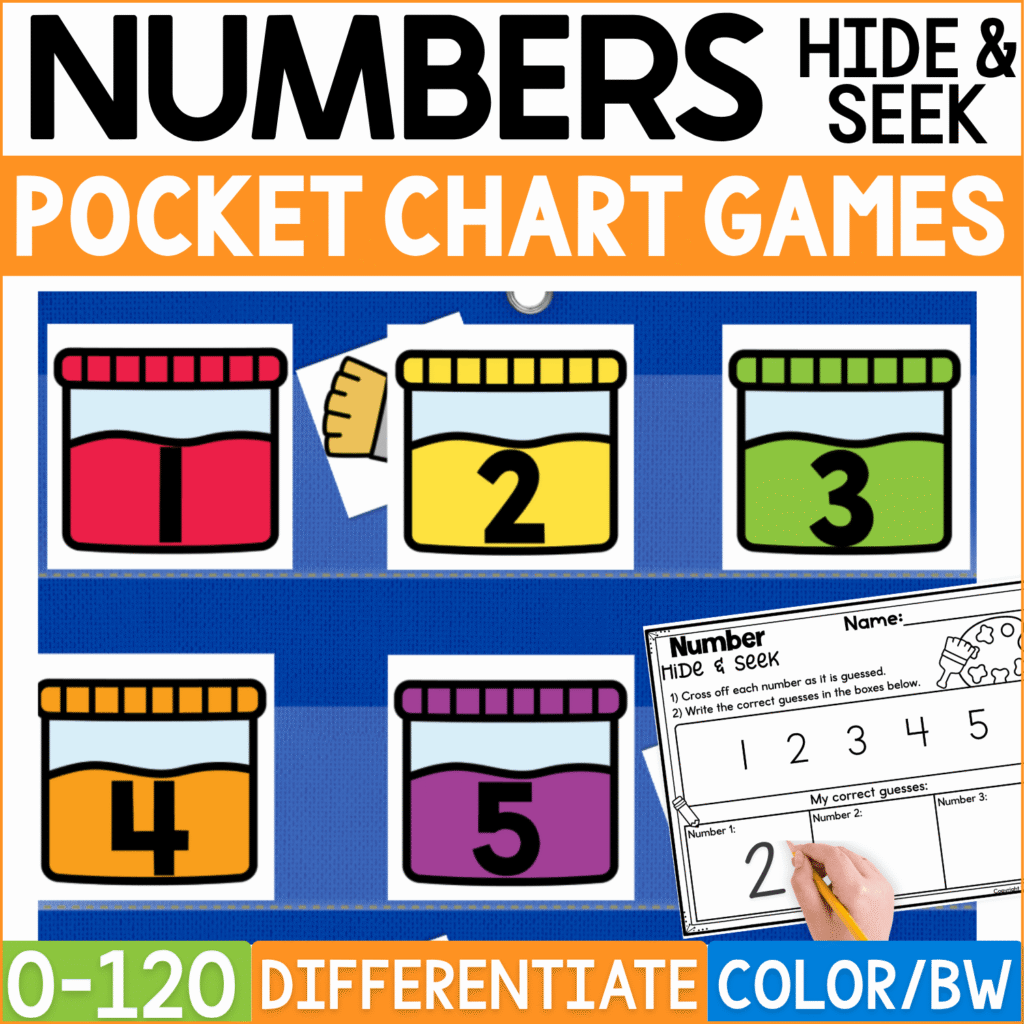
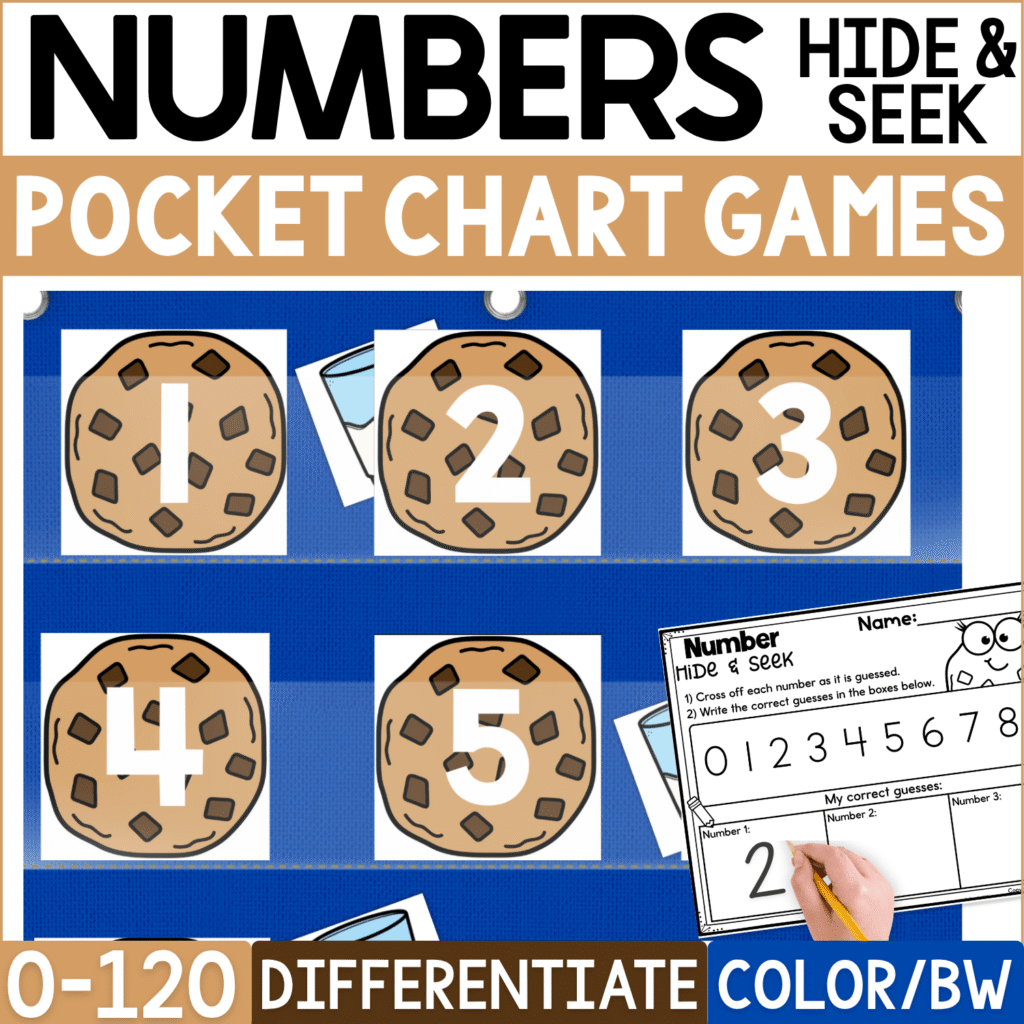
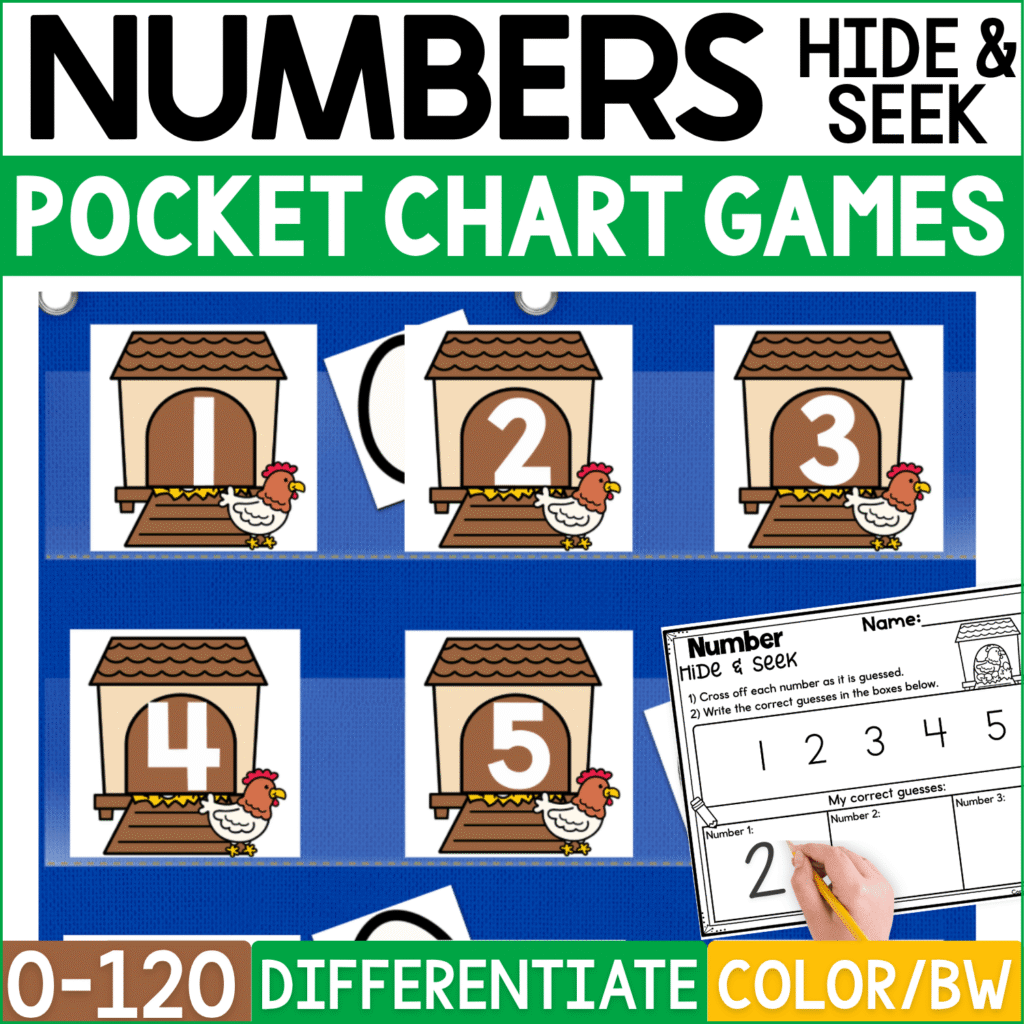
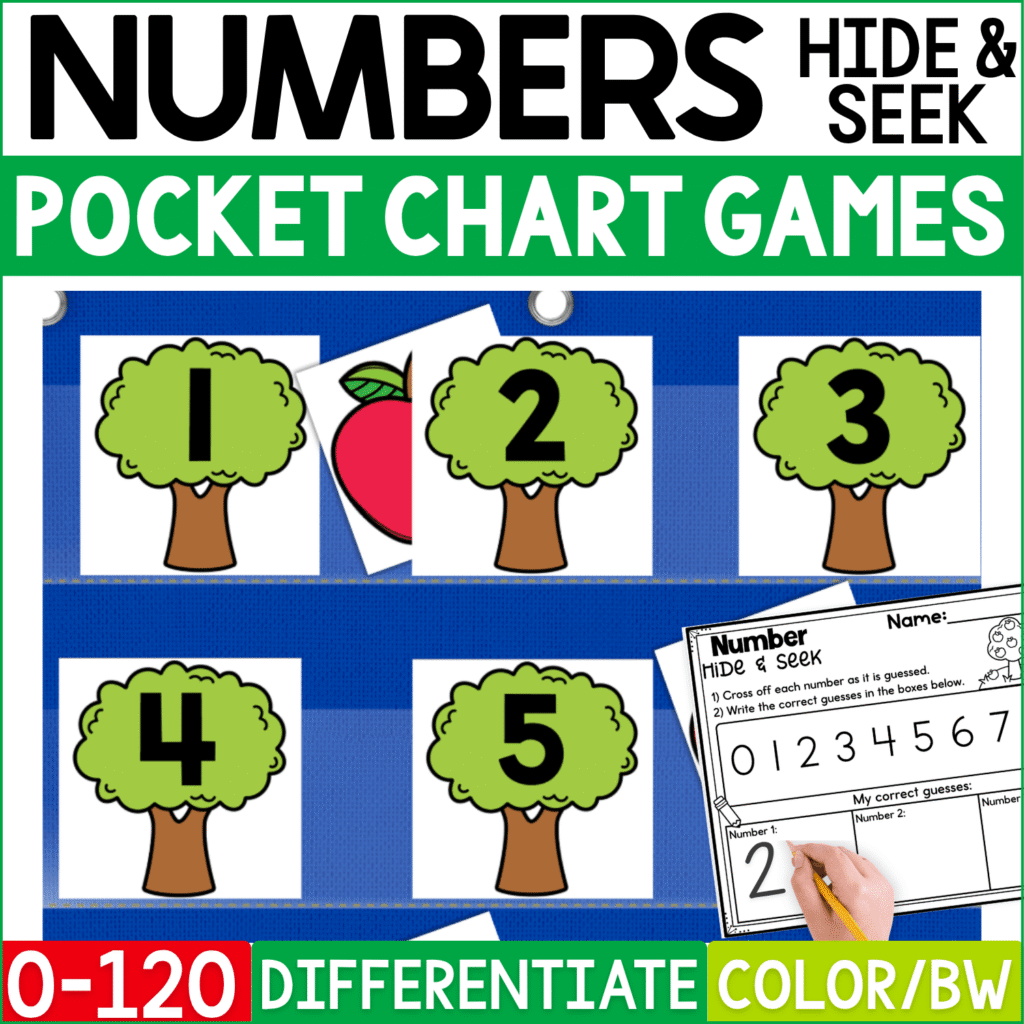
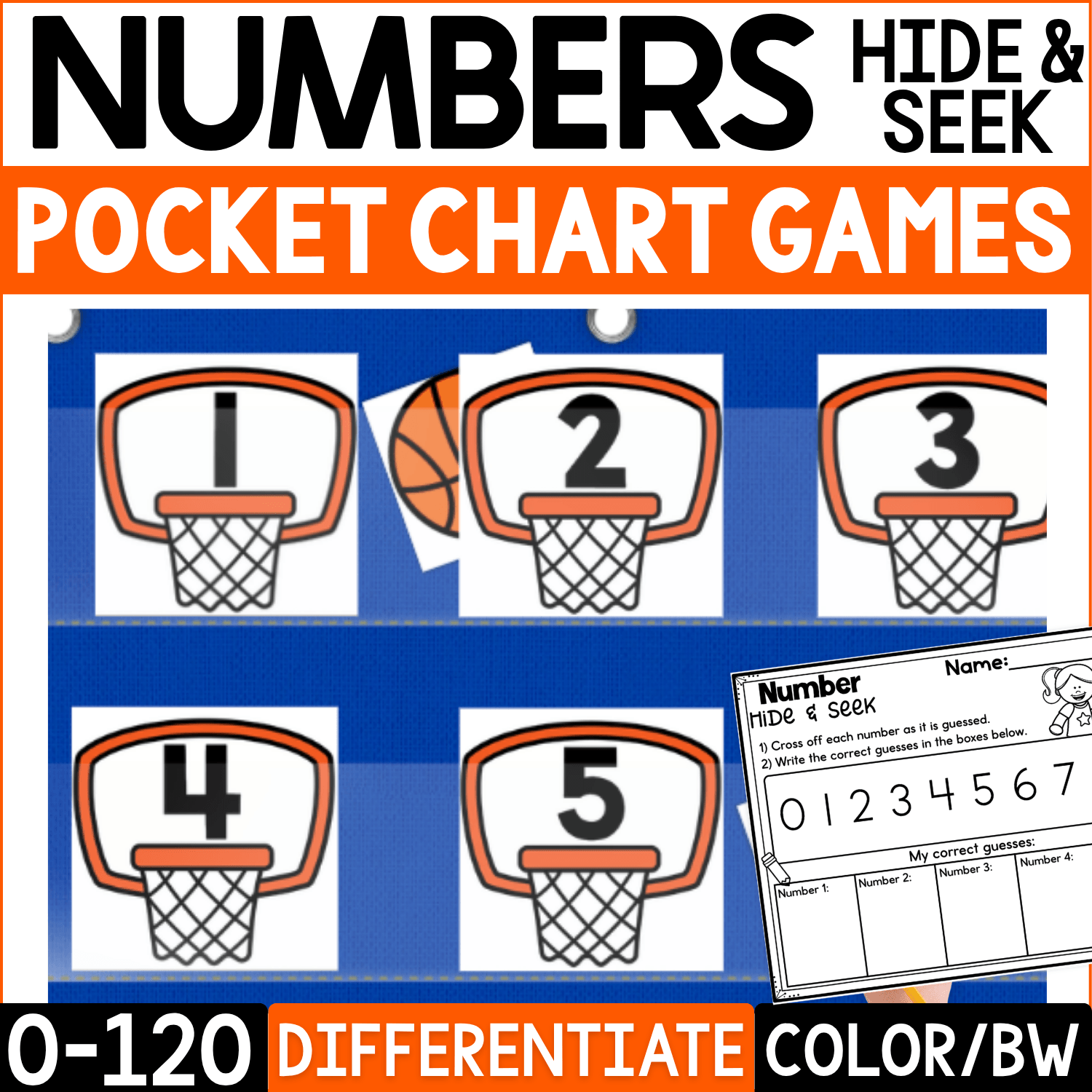
What’s Included in the Numbers Pocket Chart Game
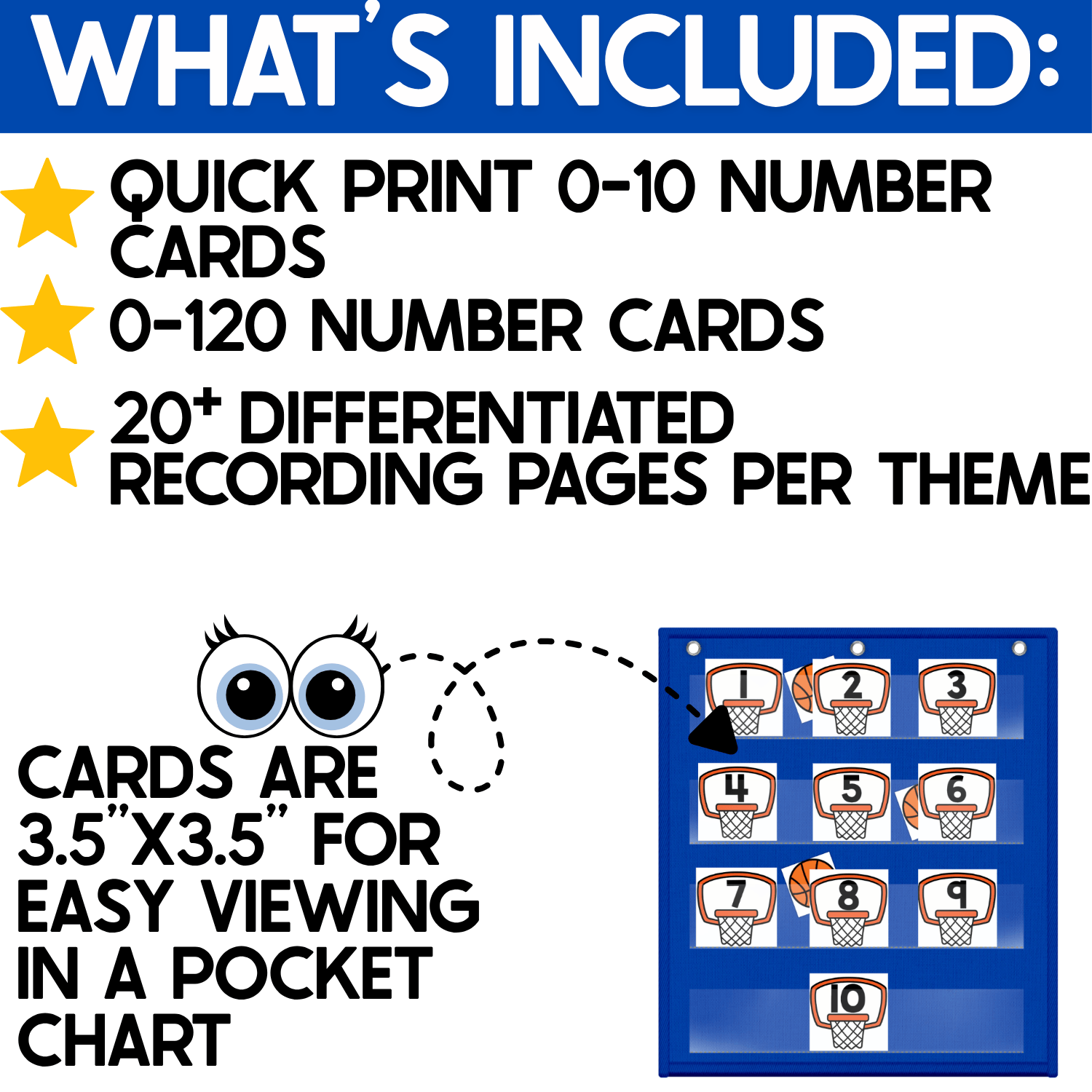
- Quick-print number cards for numbers 0-10
- Number cards for numbers 0-120
- 8 hiding cards
- Color and black-and-white printing options
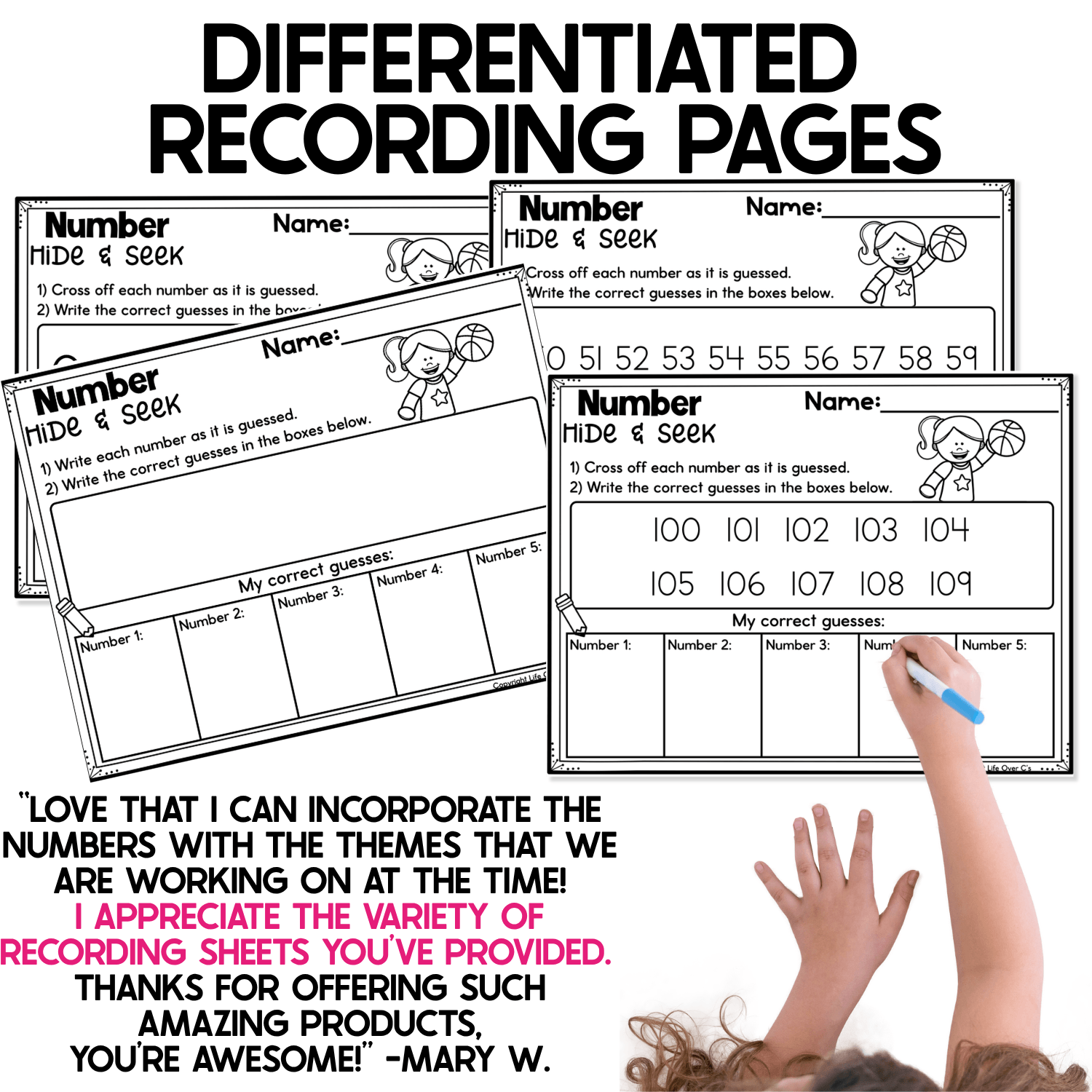
- 29 differentiated recording pages
- Recording pages for 3 or 5 hidden pictures
- Number-range recording pages
- Open-ended recording pages
- Teacher instructions
- Visual student directions
The range of number cards and recording pages allows one prepared pocket chart activity to support several groups. Keep the choices small for beginning learners, change the number range as students progress, and add number writing when it fits your lesson.
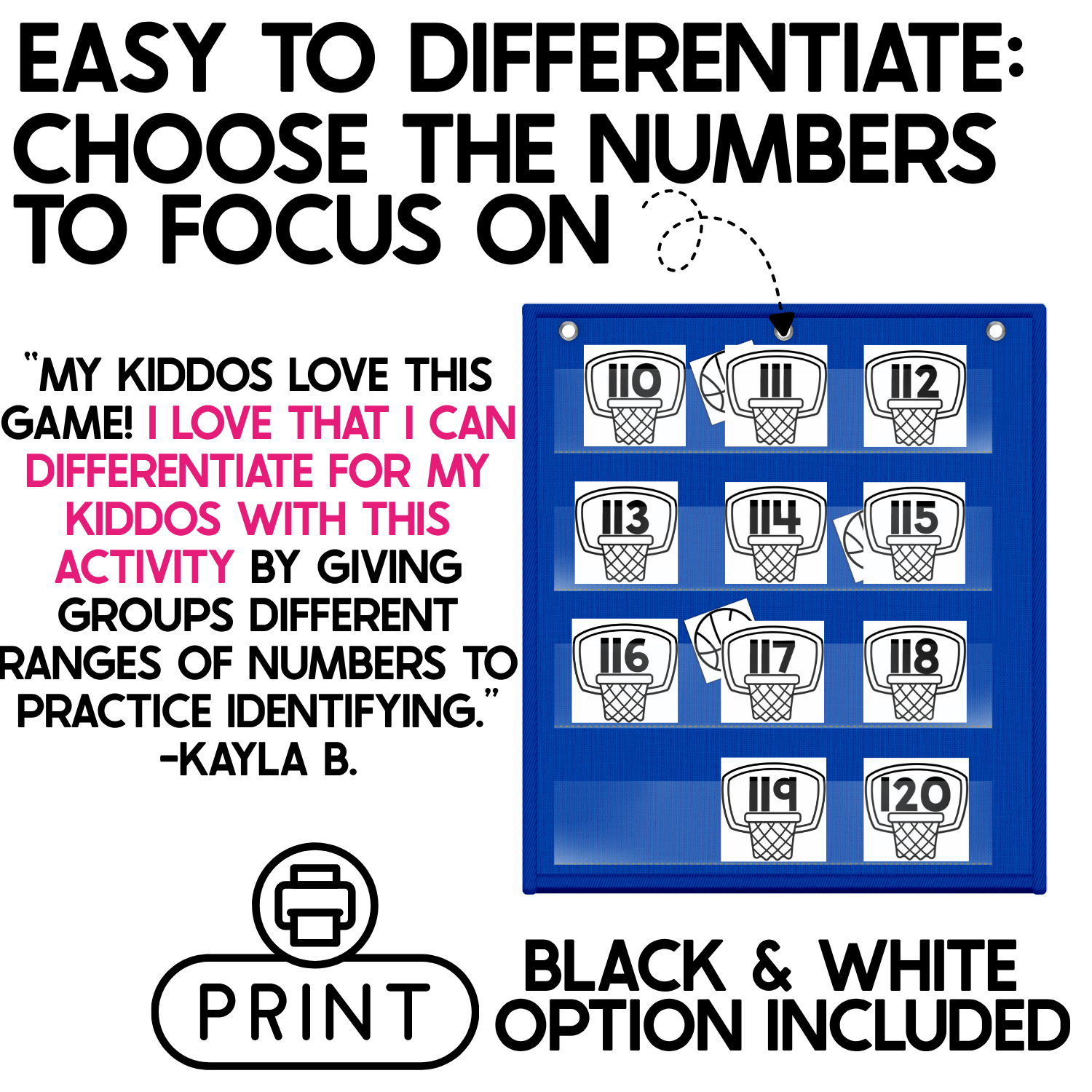
You can differentiate this number recognition game by changing the cards in the pocket chart, the number of hiding cards, and the recording page students use.
Required Materials:
- Laminator
- Paper Cutter
- Paper, Printer, Ink
Number Recognition Standards Alignment
This numbers pocket chart game supports early math instruction with repeated practice in number recognition, counting, reading numbers, and number order.
Texas Essential Knowledge and Skills (TEKS):
- K.2.A Practice counting forward and backward within selected number ranges.
- K.2.B Read, write, and represent whole numbers using number cards and recording pages.
- 1.5.A Practice reciting numbers forward and backward from a given number within 120.
Virginia Standards of Learning (SOL):
- K.NS.1 Develop counting skills and understanding of number sequence.
- 1.NS.1 Count forward by ones to 120 beginning with different starting numbers.
Common Core State Standards (Math):
- K.CC.A.1 Count to 100 by ones and tens.
- K.CC.A.2 Count forward beginning from a given number within the known sequence.
- K.CC.A.3 Write numbers 0-20 and represent quantities with written numerals.
- 1.NBT.A.1 Count to 120 beginning at any number less than 120 and read and write numerals within that range.
Texas Prekindergarten Guidelines 2022:
- Develop the oral counting sequence.
- Recognize written numerals within beginning number ranges.
- Connect spoken number names with printed numerals during interactive math practice.
Virginia Foundation Blocks for Early Learning:
- Build number and number sense through oral counting.
- Recognize and name written numerals.
- Develop understanding of number sequence through repeated number practice.
Number Skills Students Practice
Primary Academic Skills
- Number recognition from 0-120: Identify, name, and locate printed numbers within a selected group.
- Reading numbers aloud: Say the number when making a guess during the hide and seek game.
- Counting forward: Begin with a displayed number and continue counting within the selected range.
- Counting backward: Arrange the number cards in sequence and count backward from a chosen number.
- Number order and sequence: Recognize where numbers belong within an ordered group of number cards.
- Numbers before and after: Identify the number immediately before or after a selected number.
- Writing numbers: Record guesses and write the numbers where hidden pictures are found.
- Comparing numbers: Compare selected numbers and identify which is greater or less.
- Identifying similar-looking numbers: Practice distinguishing between numbers such as 12 and 21 or 68 and 86.
- Building confidence with larger numbers: Practice a small group of numbers before adding additional numbers through 120.
Secondary Life and Learning Skills
- Taking turns
- Listening to classmates
- Maintaining attention
- Remembering previous guesses
- Making and checking predictions
- Following directions
- Communicating choices
- Using mathematical language
- Waiting during group play
- Building confidence during group participation
This number recognition hide and seek pocket chart game for numbers 0-120 gives children hands-on practice with counting, identifying numbers, and number order during circle time, math centers, and small groups.
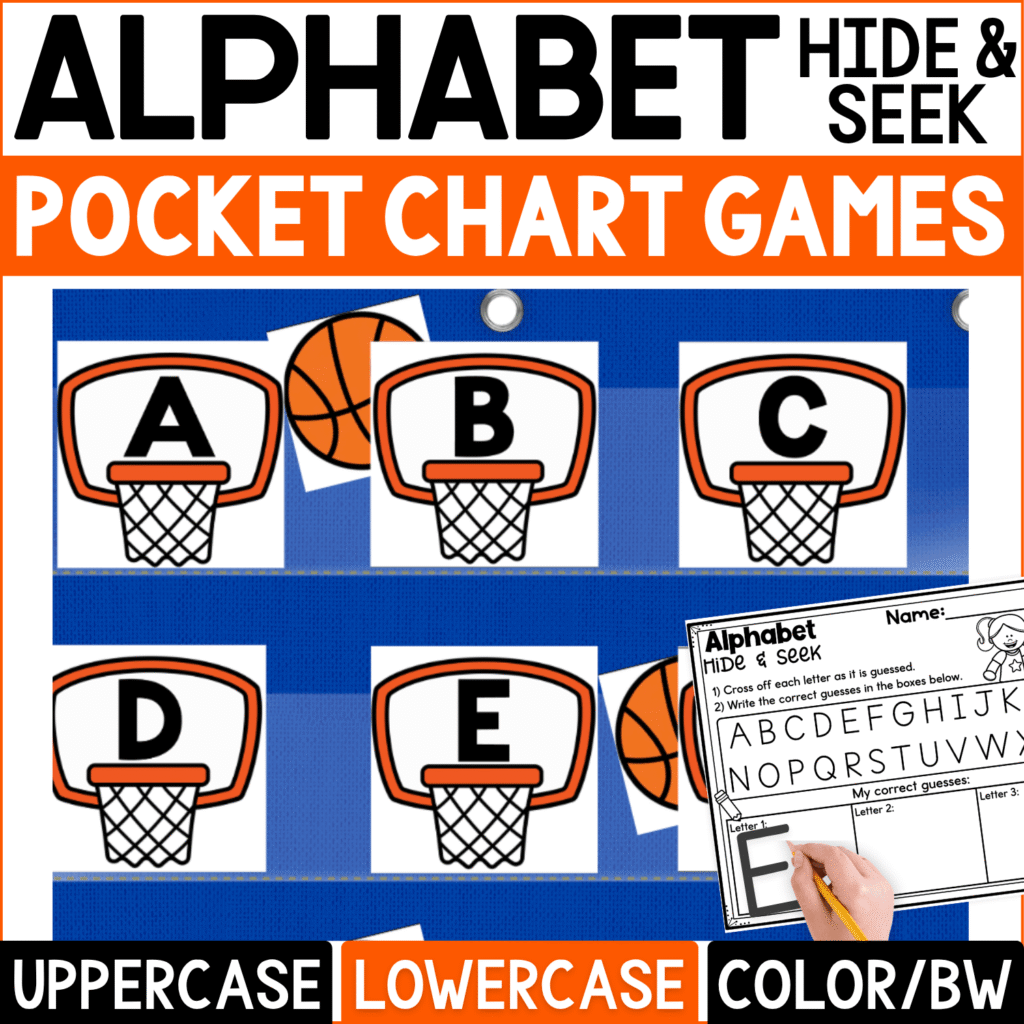
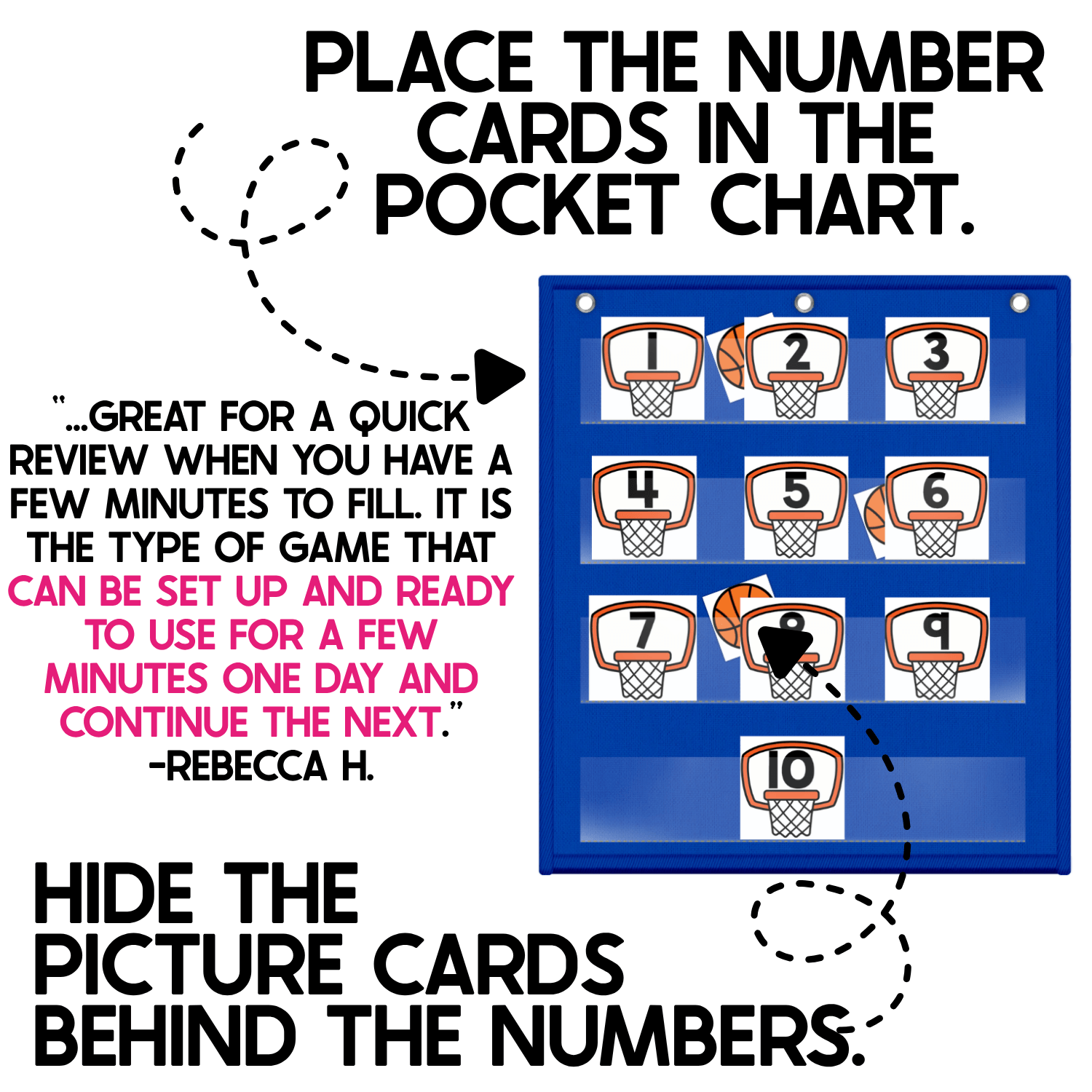
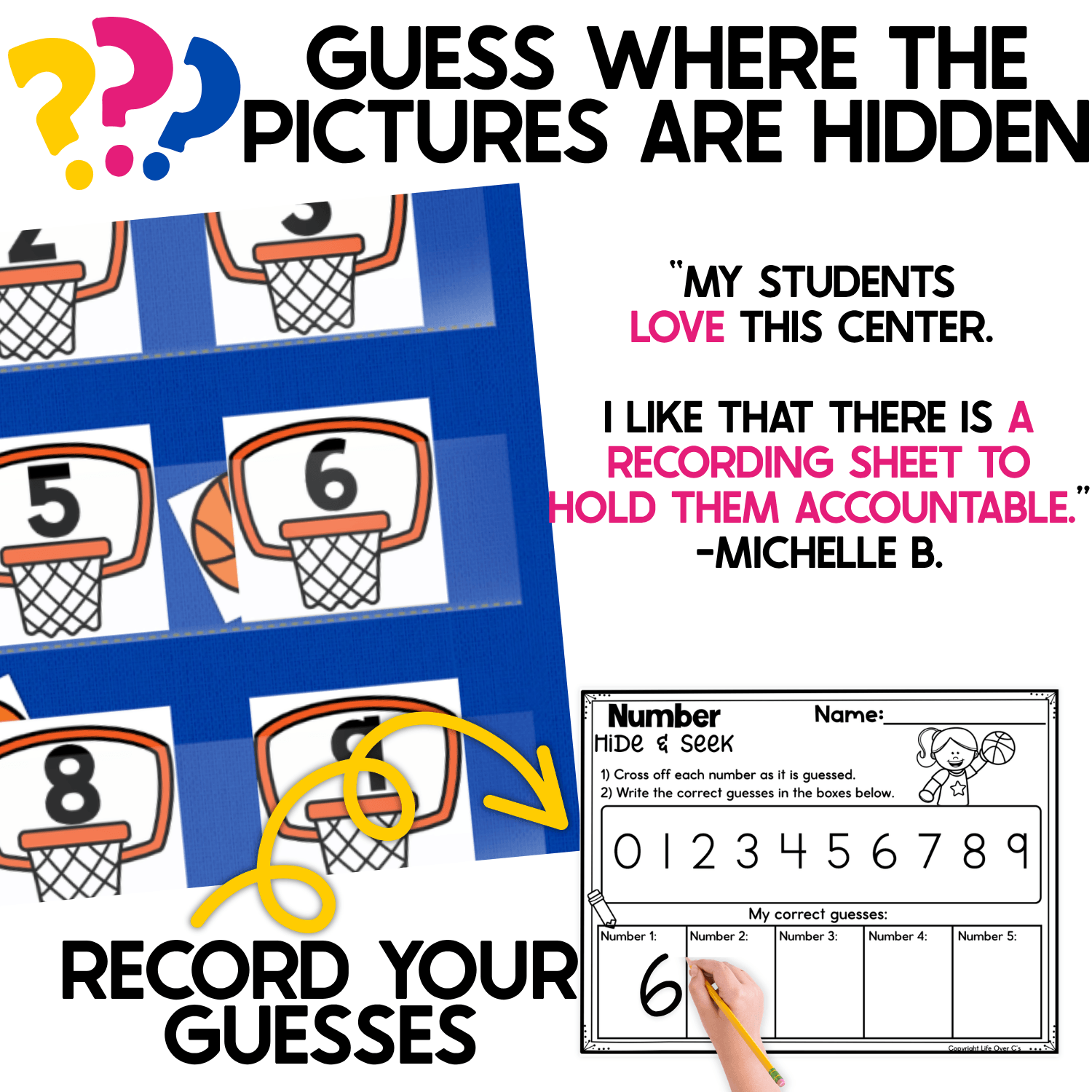
Place the number cards in a pocket chart, hide the pictures behind selected numbers, and invite students to guess where the pictures are hidden.
As children play, they identify numbers, say numbers aloud, listen to classmates, and remember which numbers have already been checked. The simple hide and seek routine keeps everyone involved, making it a great choice for interactive circle time number practice.
The Numbers Pocket Chart Game for counting 0-120 lets you choose exactly which numbers appear in each round. Begin with numbers 0-5, practice numbers 0-10 or numbers 1-20, introduce a small group of larger numbers, or select numbers from across the 0-120 set for students ready for more challenging number recognition.
This number hide and seek game gives children repeated practice with number recognition, counting, reading numbers, number order, and writing numbers while they focus on finding the pictures hidden in the pocket chart.
How to Play This Numbers Hide & Seek Pocket Chart Game
This numbers pocket chart game has a consistent routine that is easy to introduce during circle time or small groups.
- Place the selected number cards in a pocket chart so all numbers are visible.
- Choose the number range based on the skills students are practicing.
- Have children close their eyes while 1-5 picture cards are hidden behind the number cards.
- Students take turns choosing and saying a number.
- Check behind the selected number to see if a picture is hiding there.
- Add a recording page when students are ready to track guesses and write numbers.
The familiar hide and seek routine keeps the focus on repeated number recognition and counting practice without requiring lengthy directions each time the activity is used.
Easy Ways to Differentiate Number Recognition Practice
Choose only the number cards students are ready to practice. A smaller group of cards limits the number of choices for beginning learners, while a larger or mixed group increases the challenge.
- Begin with 1-3 number cards and one hidden picture.
- Practice numbers 0-5, numbers 0-10, or numbers 1-20.
- Introduce a small group of larger numbers at a time.
- Keep the number cards in numerical order to support counting and number sequence.
- Mix the cards when students are ready to identify numbers without using their position as a clue.
- Add more number cards gradually.
- Ask children to name each number before checking behind the card.
- Ask for the number before or after a selected number.
- Compare two displayed numbers.
- Add a recording page for number writing practice.
- Let students point, eye-gaze, or use another communication method to select a number when speaking is not their easiest way to respond.
These adjustments make it easier for children with different academic, communication, attention, visual, and motor needs to participate in the same circle time or pocket chart activity.
Where to Use This Numbers Pocket Chart Game
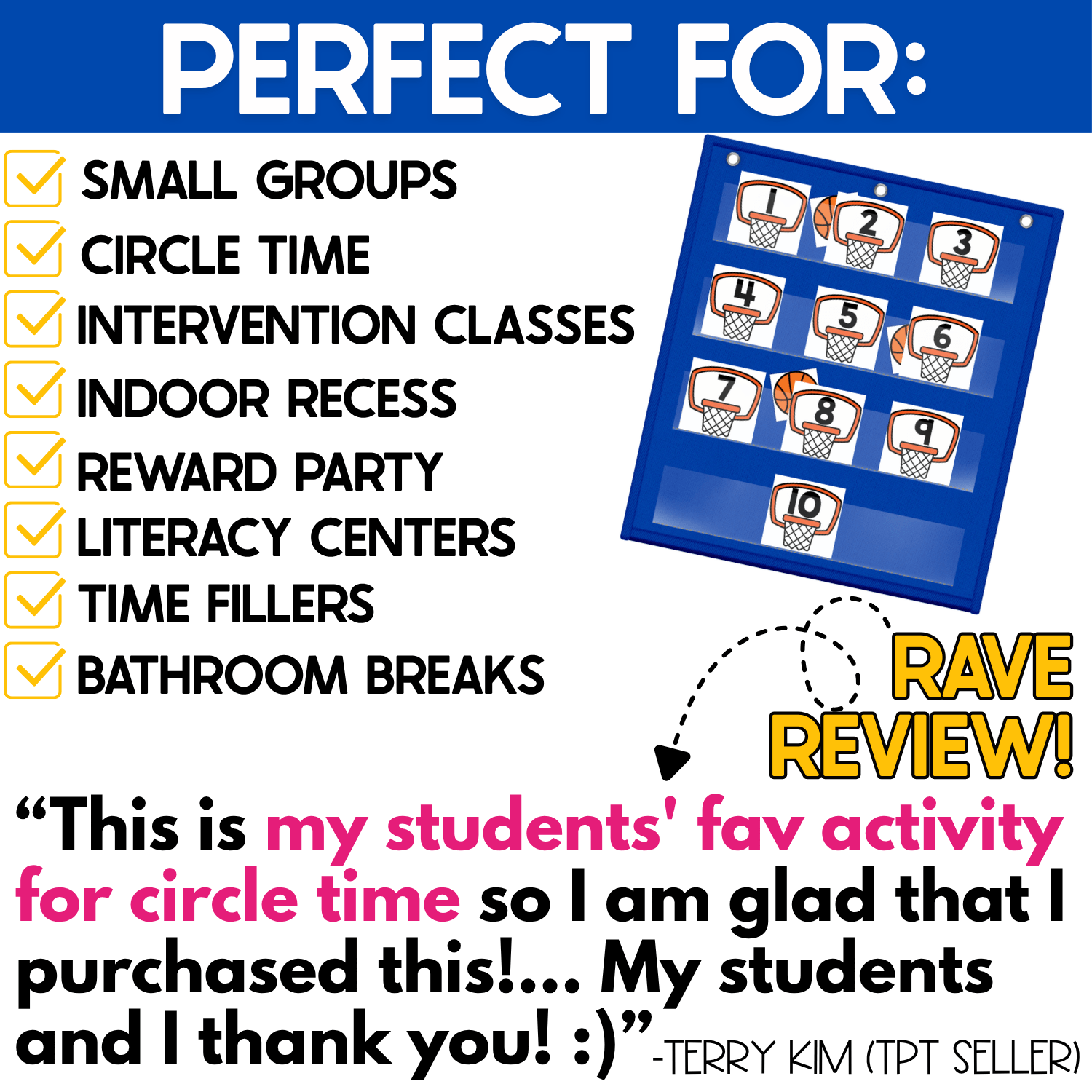
- Circle time
- Morning meeting
- Small groups
- Math centers
- Pocket chart centers
- Intervention and RTI
- Special education
- Partner practice
- Homeschool