I Spy “Flip” Junior Board Game: Real Life Winter
Type of Resource: PDF
Number of Pages: 27

You must be a Paid Member to Access this Resource.
Join the Life Over C’s Club to Access

Already a member? Login below:
Coordinating Activities

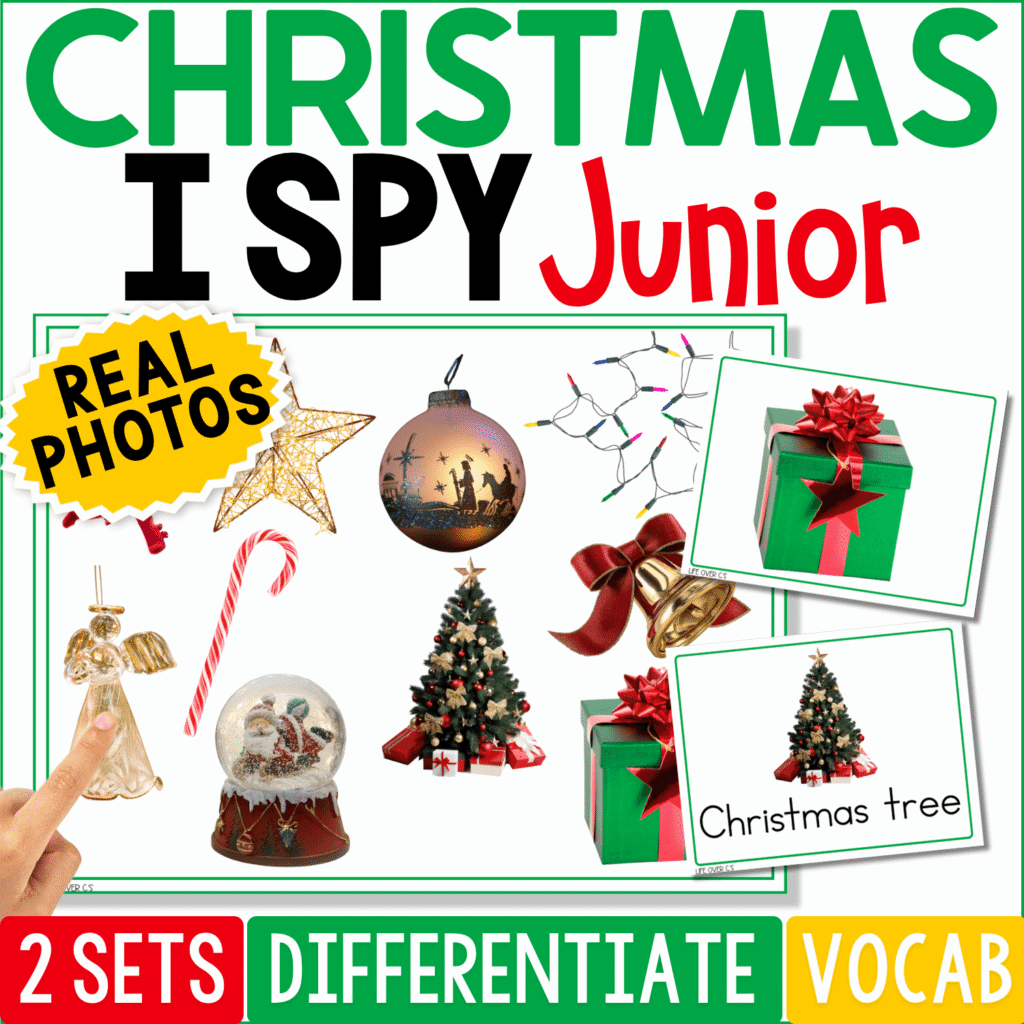
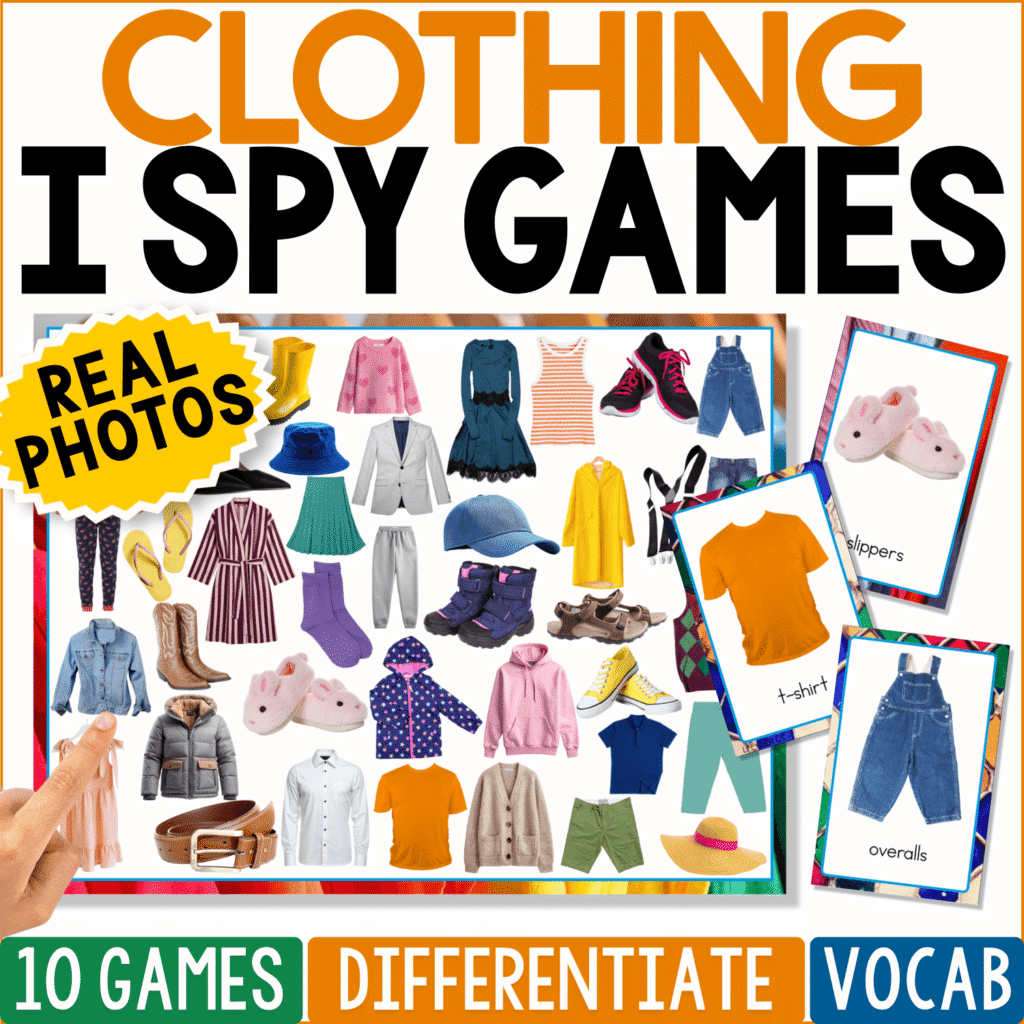

What’s Included in the Winter I Spy Junior Game
- 27-page full-color PDF
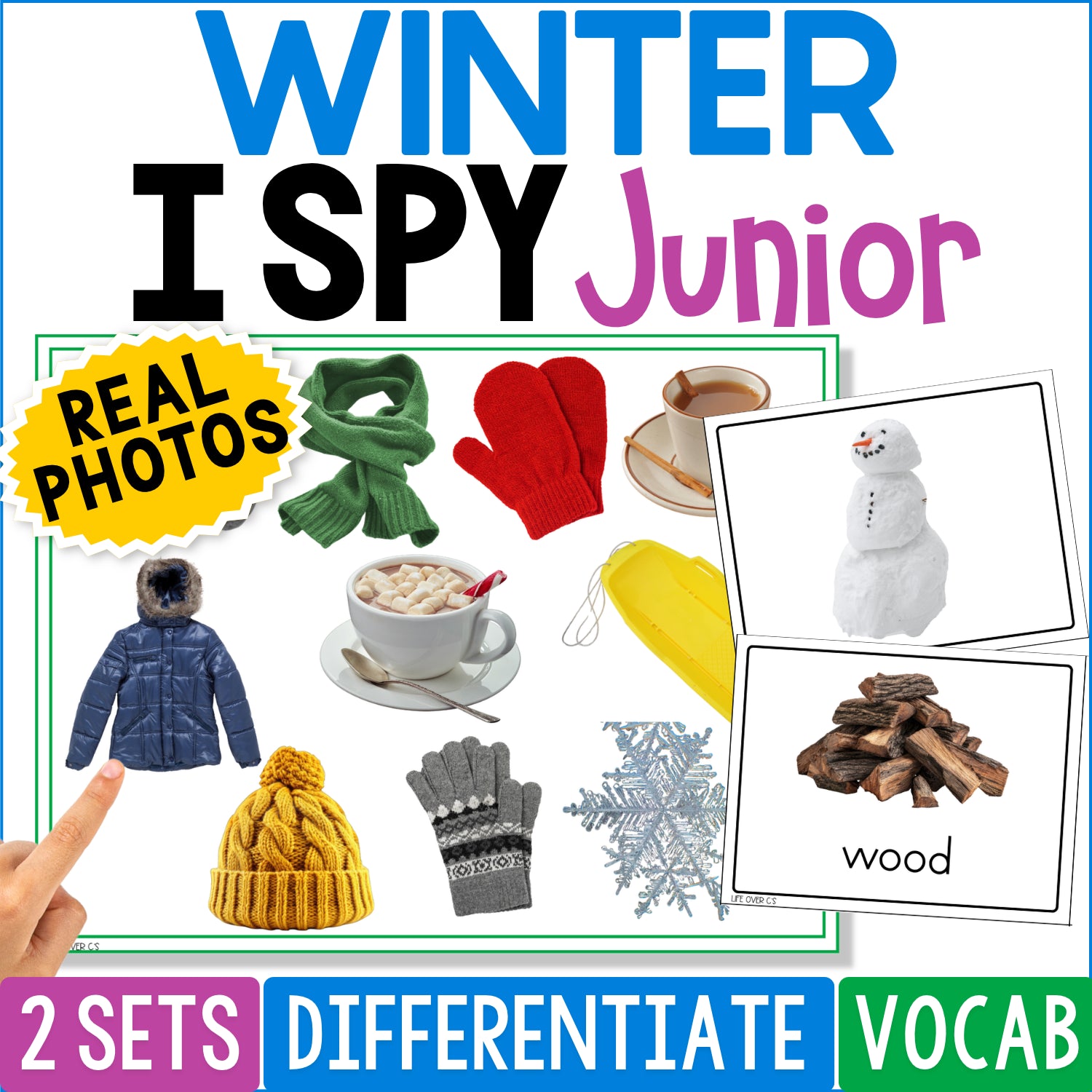
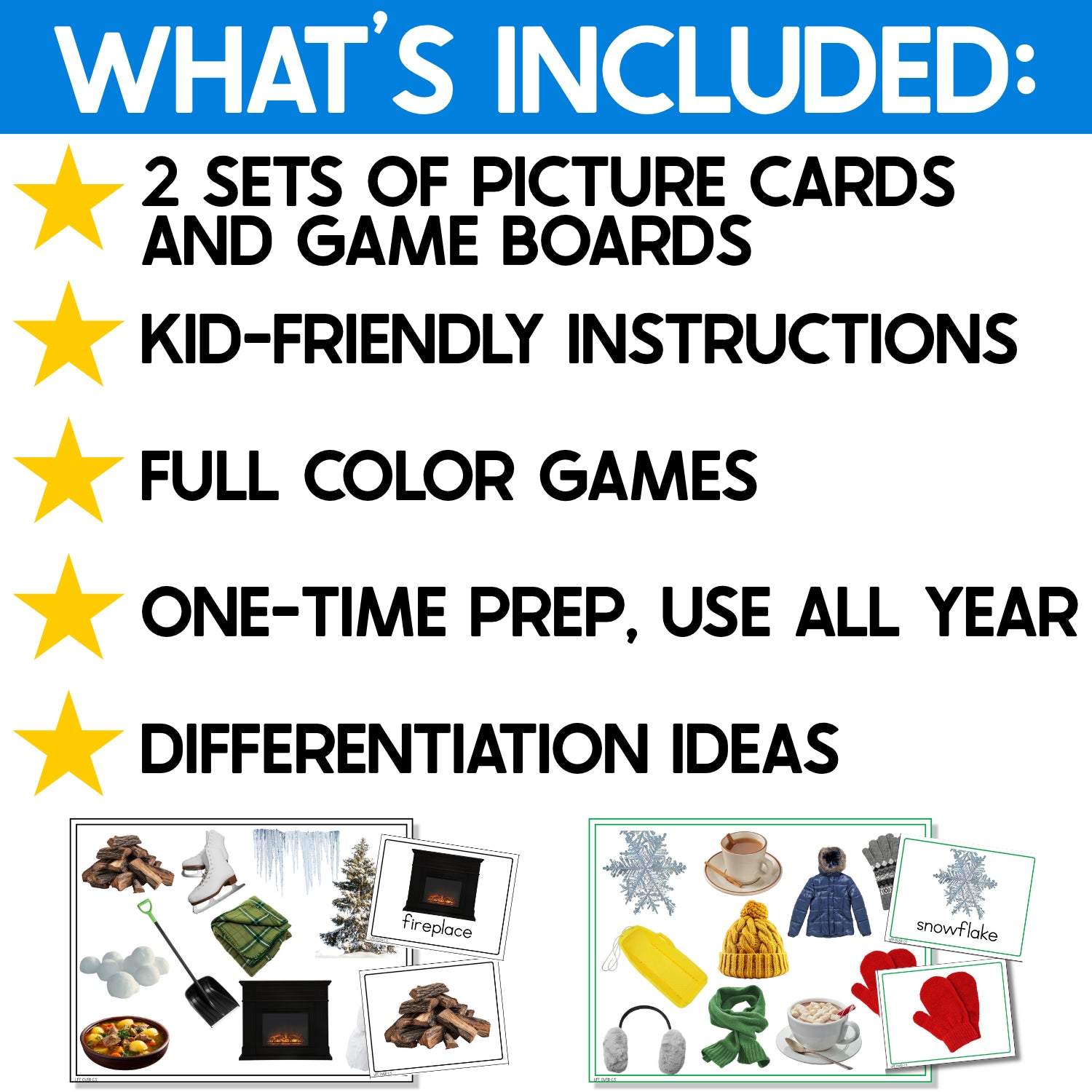
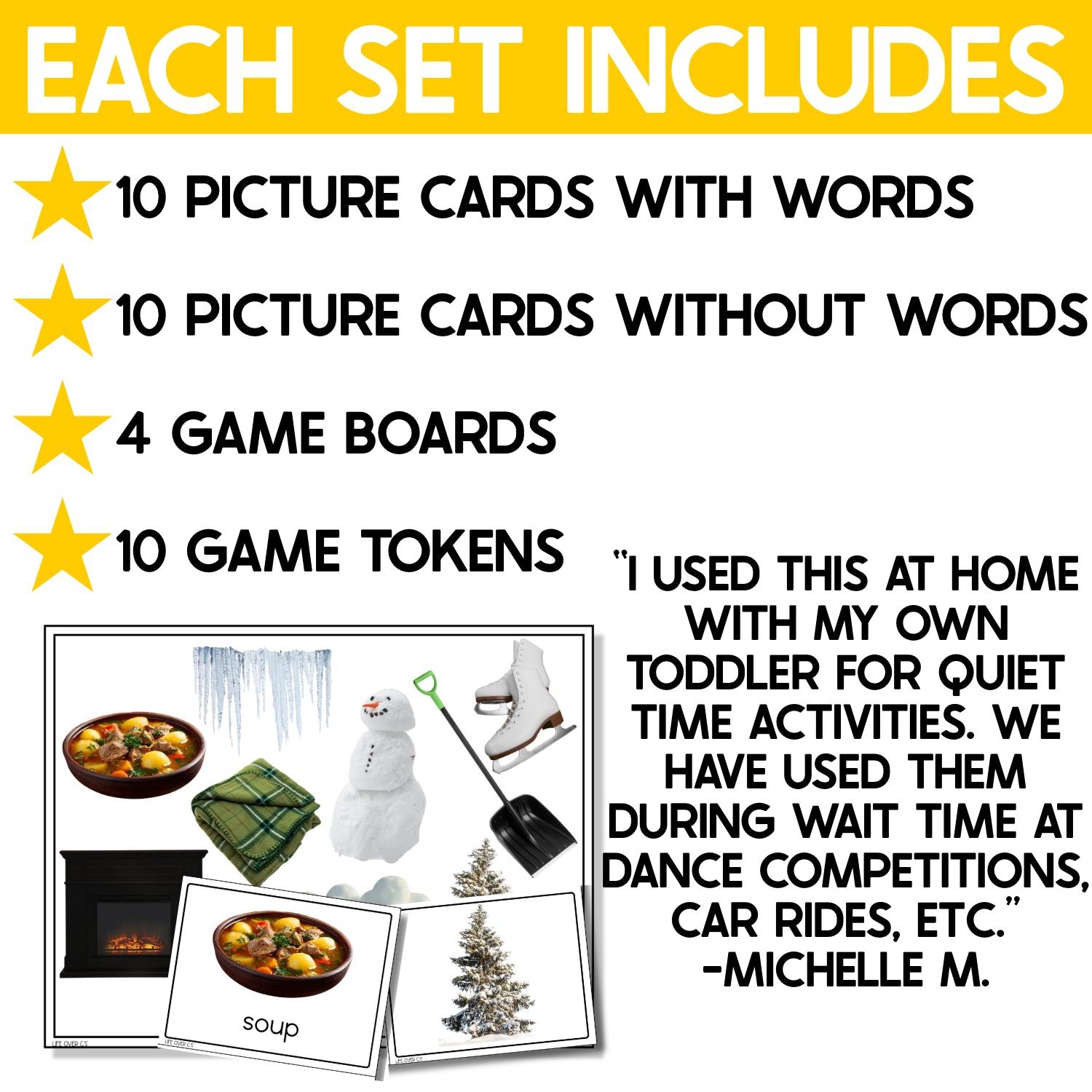
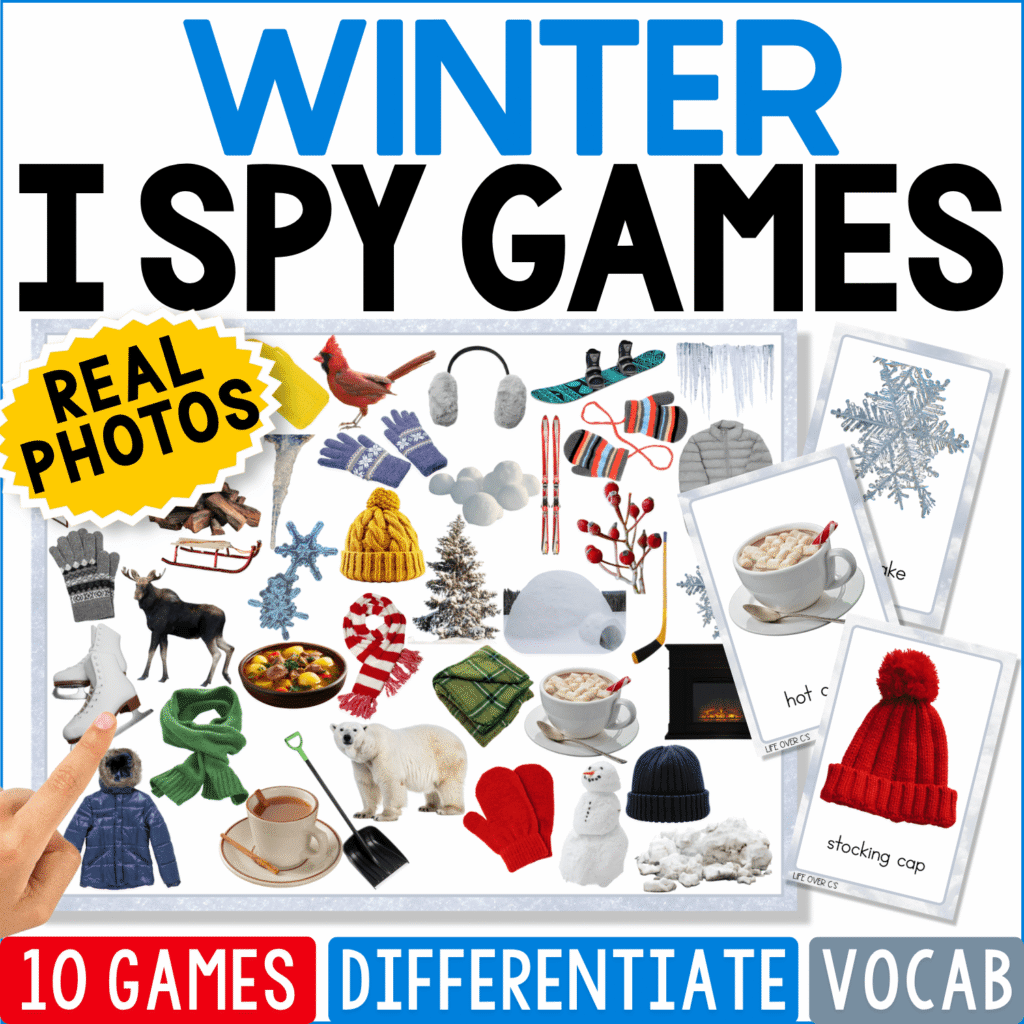
- 2 I Spy “Flip” Junior game sets, each with:
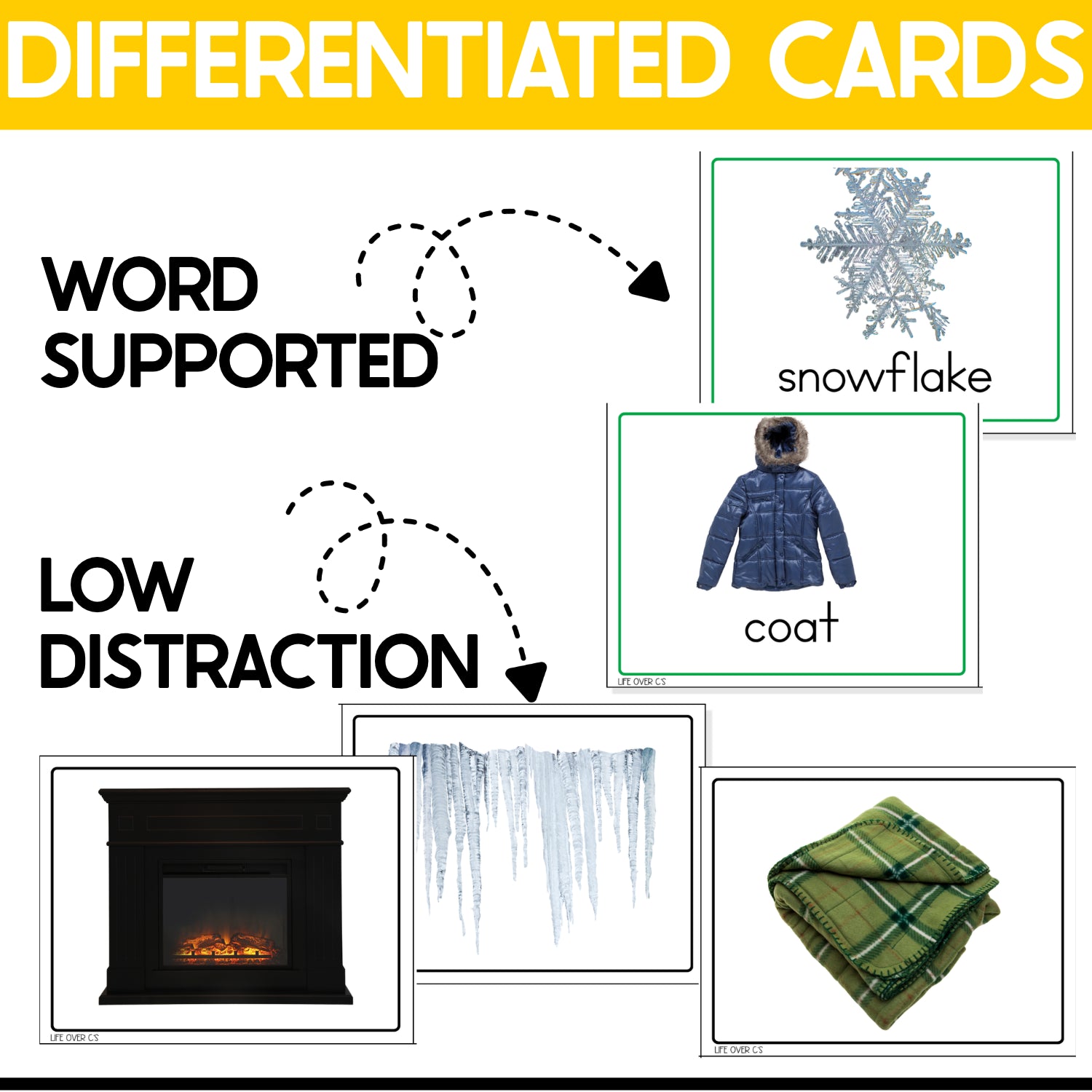
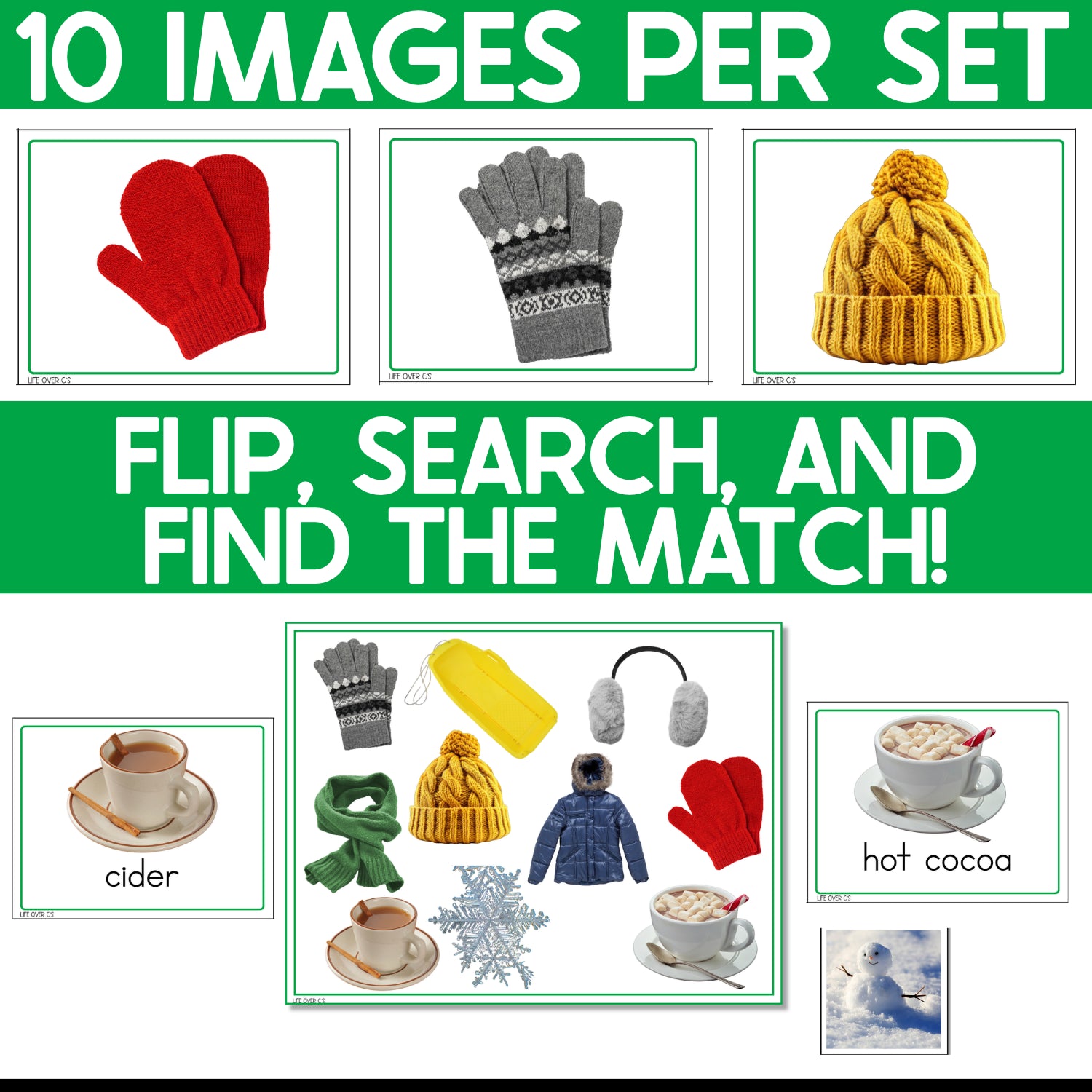
- 10 picture cards without words
- 10 picture cards with words
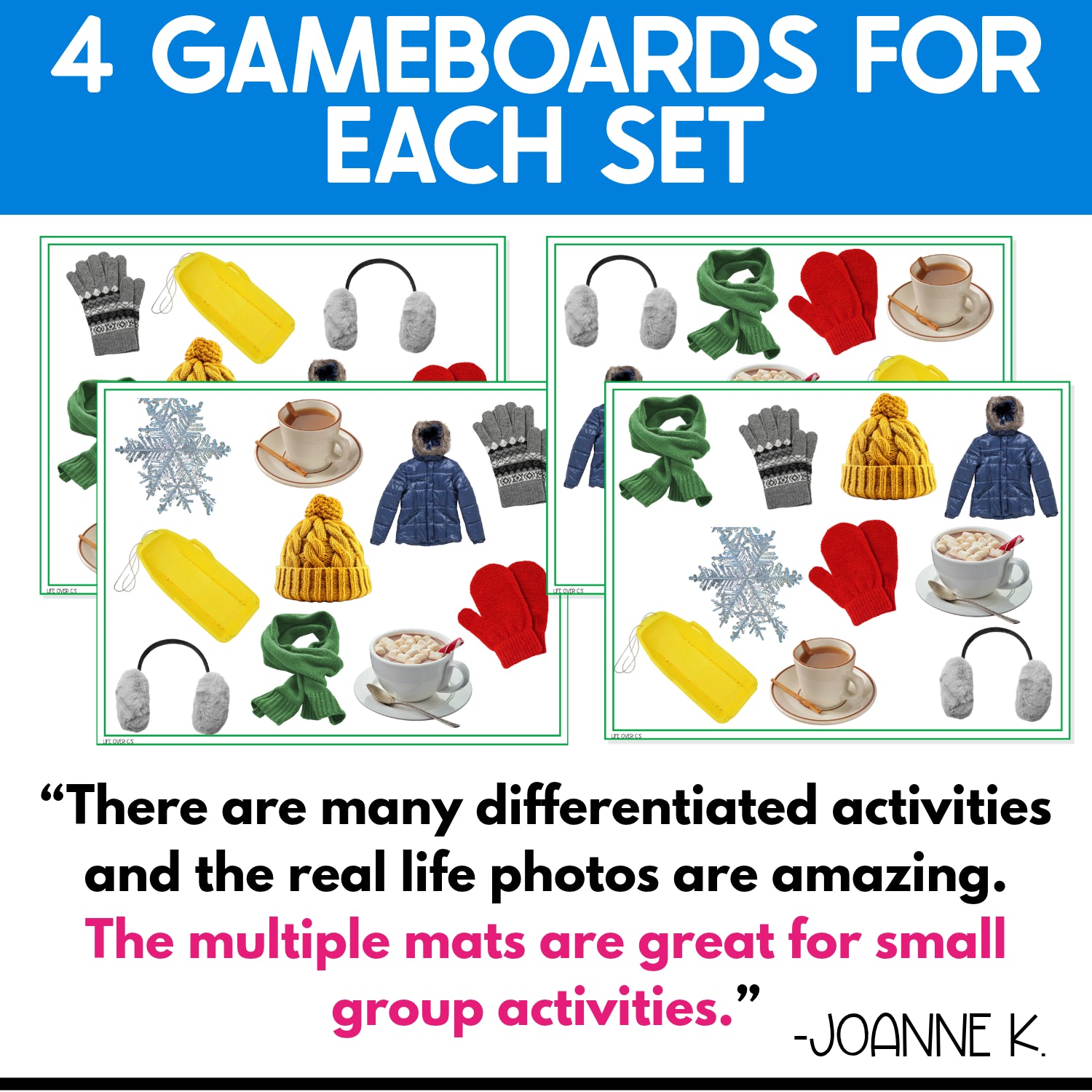
- 4 game boards with the same 10 pictures in different places
- 10 snowman game tokens
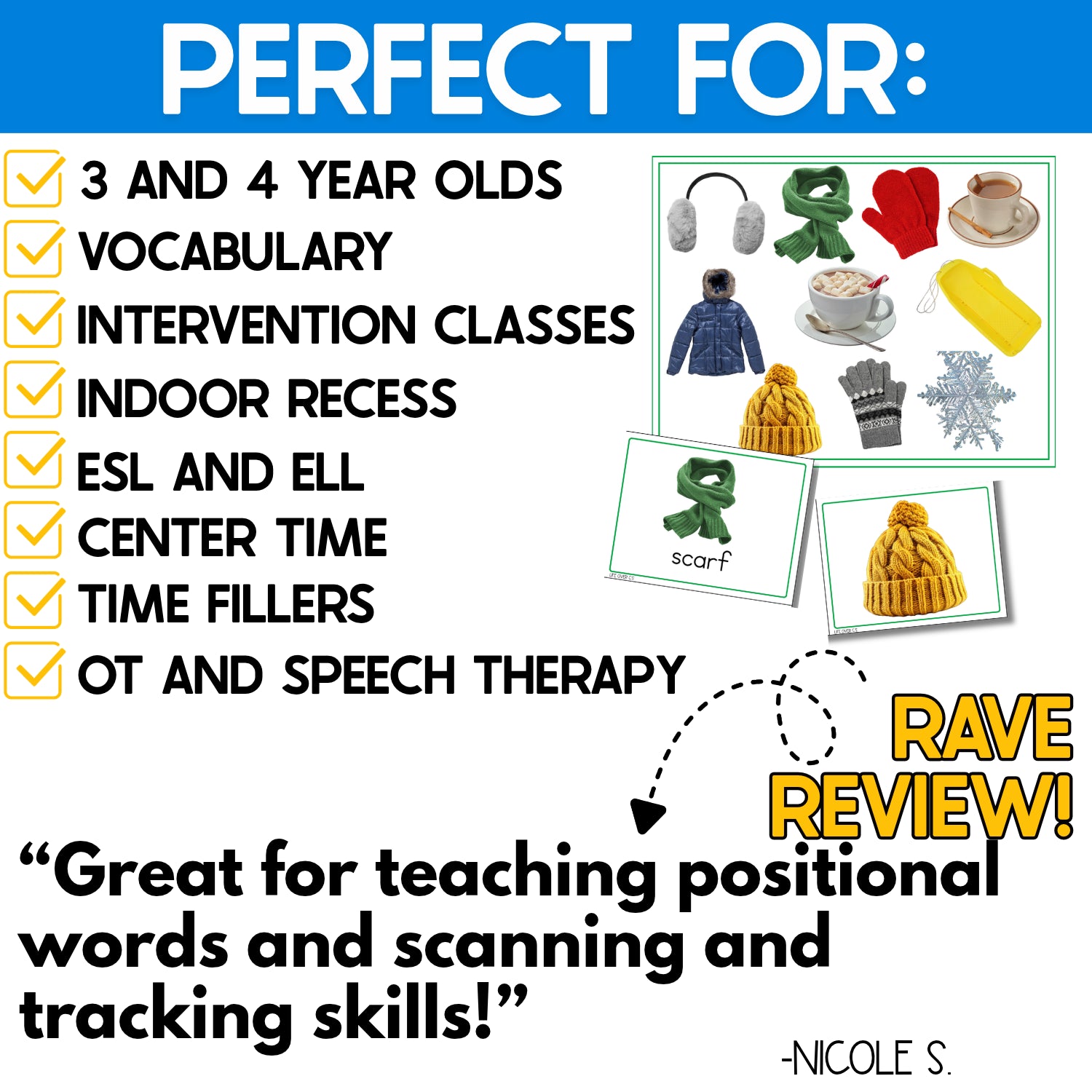
- Set 1: mittens, gloves, hat, scarf, coat, earmuffs, sled, snowflake, cider and hot cocoa
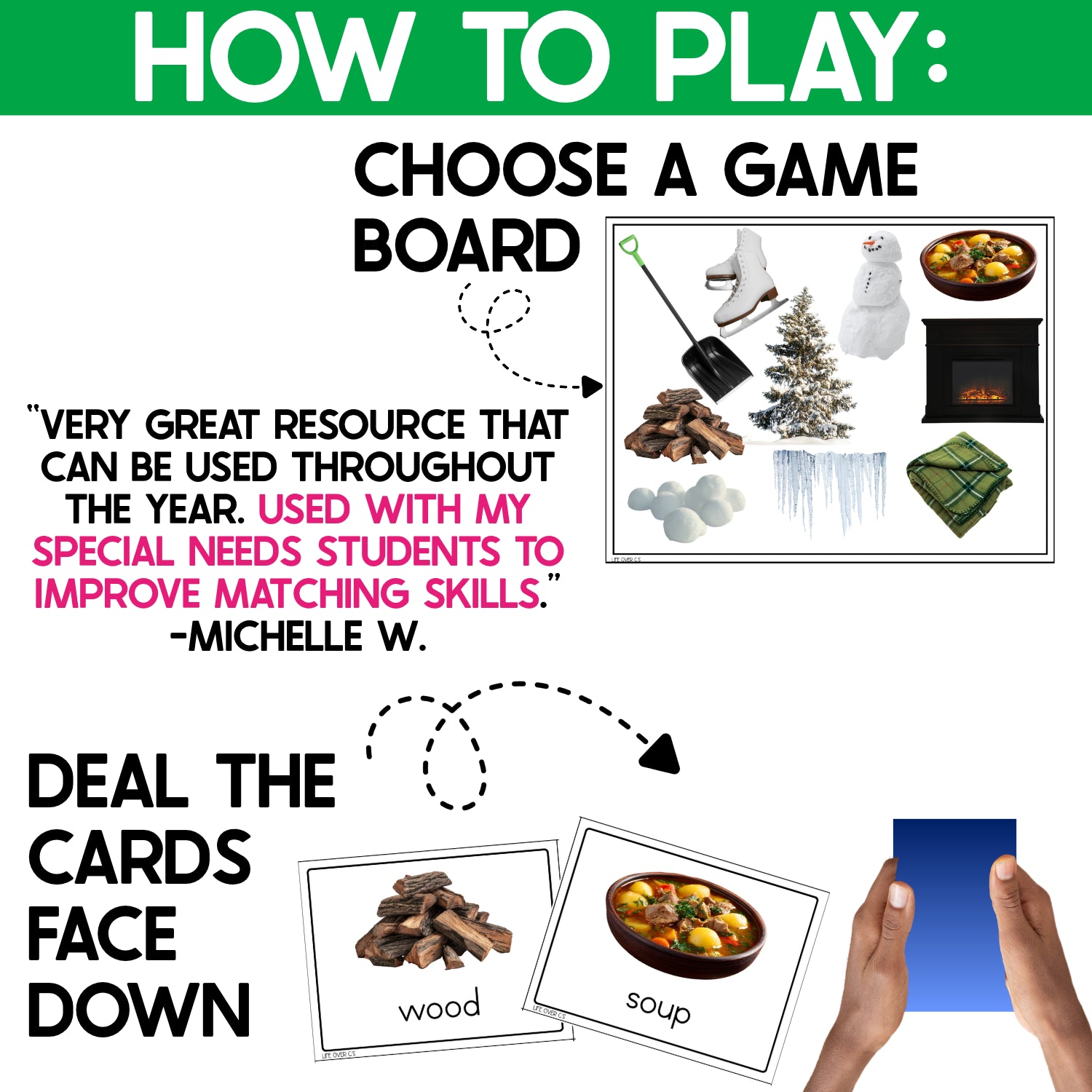
- Set 2: snowman, snowballs, icicles, pine tree, shovel, ice skates, fireplace, wood, blanket and soup
- Preparation directions, game instructions, cooperative and independent play directions and differentiation suggestions
Required Materials:
- White cardstock, printer and ink
- Laminator
- Paper cutter or scissors
- Optional: a small zip-top bag or photo box for storage and game markers for covering matches
Standards for the Winter I Spy Junior Game
These Winter I Spy Junior games connect to early language standards in Texas, Virginia and the Common Core.
Texas Prekindergarten Guidelines (2022)
- PK3.II.A.1 / PK4.II.A.1: Children follow spoken clues to find a winter picture on the board.
- PK3.II.D.1 / PK4.II.D.1: Children use words to label winter clothes and objects like the coat, sled and icicles.
- PK3.II.D.3 / PK4.II.D.3: Children try out new winter words as they play and talk.
Virginia Early Learning and Development Standards
- CLLD1.1x, Early Preschool 34-48 Months: Children show they understand a spoken word by pointing to the matching photo.
- CLLD1.2q, Early Preschool 34-48 Months: Children name the winter objects they find and say what they are for.
Common Core State Standards
- L.K.5a: Children group the cards into categories such as things we wear and things we drink.
- L.K.5c: Children link winter words to the real hats, gloves and snow in their own world.
- SL.K.4: Children describe familiar winter objects, adding a detail when an adult asks.
This winter vocabulary I Spy game gives 3-4 year olds 20 real photos of winter, from earmuffs and a sled to icicles and a crackling fireplace, to find, match and name on simple 10-picture boards.
Winter comes with a whole new list of words for little ones. Mittens or gloves? Snowballs or a snowman? This I Spy game hands children the names for everything they bundle up in, play with and warm up beside. It also gives you an easy way to hear which winter words a child already has and which ones are brand new.
Junior boards are built for preschoolers: just 10 big pictures per board, one clear photo per card and no reading at all. The word on each card is there for the grown-up doing the prompting.
Winter Pictures in Each Set
- Set 1 (green borders): mittens, gloves, hat, scarf, coat, earmuffs, sled, snowflake, cider and hot cocoa
- Set 2 (black borders): snowman, snowballs, icicles, pine tree, shovel, ice skates, fireplace, wood, blanket and soup
A few pairs make children look twice. The mittens and gloves are both knit and cozy, and the cider and hot cocoa come in similar white mugs (the marshmallows are the giveaway). In Set 2, the snowman and snowballs are both piles of white snow until kids spot the carrot nose.
How to Play Winter I Spy Junior
- Pick a set and lay one of its four game boards where everyone can see it.
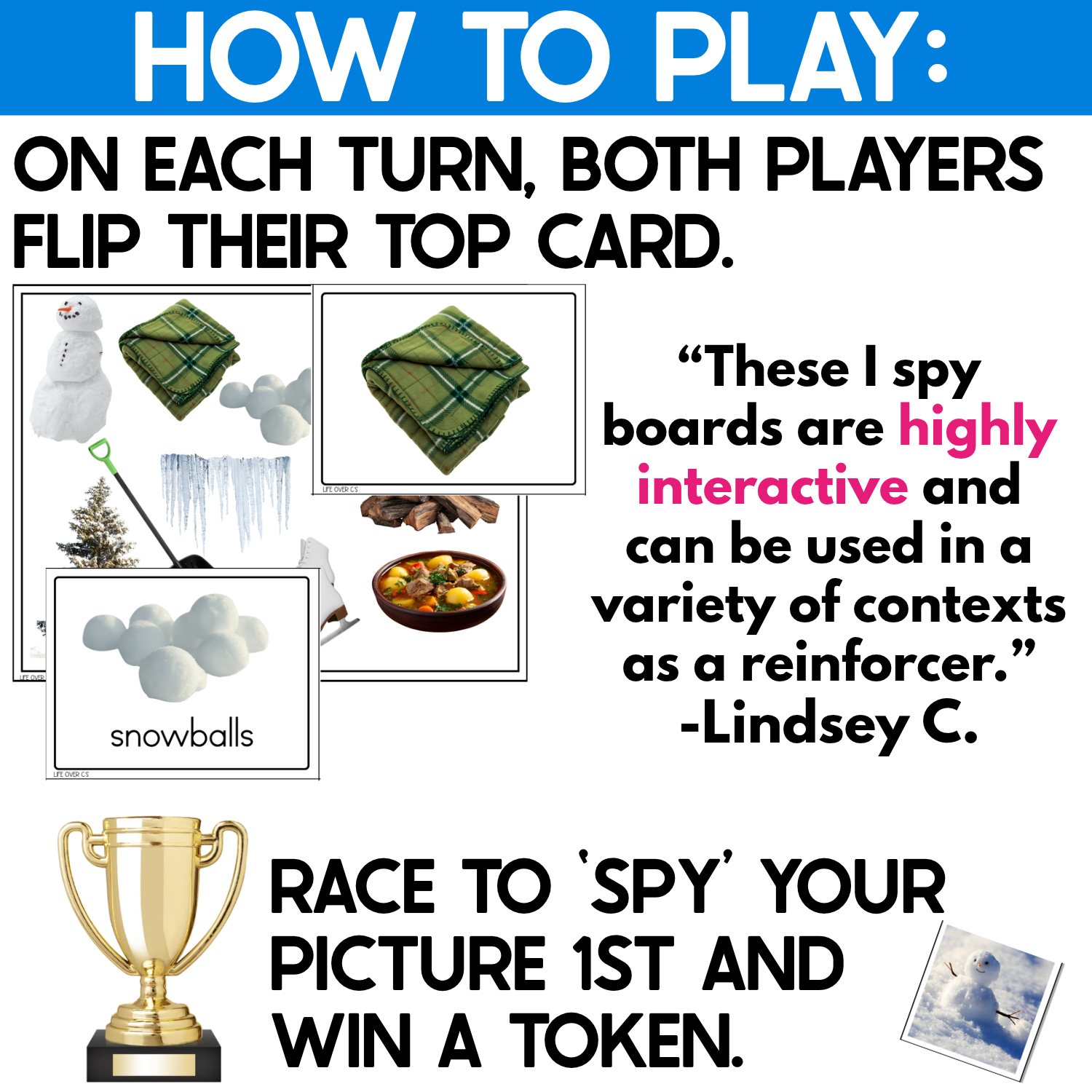
- Each player keeps a face-down pile of cards. Everyone flips their top card at the same time.
- Players race to find their picture on the board. The first one to touch it collects a snowman token. The player with the most tokens at the end wins.
Cooperative play: Use one shared pile. Children take turns flipping a card and finding it and can cover each match with a marker until the board is full.
Independent play: One child flips the cards one at a time and finds each picture. It fits right into a quiet center or a morning tub.
Easy Ways to Differentiate
Some children will name every picture before you finish dealing. Others are meeting words like “icicles” and “earmuffs” for the very first time. The same cards and boards work for both.
For Children Who Need More Support
- Play with 3 to 5 cards at first, choosing pictures with very different shapes, like the shovel, blanket and snowflake.
- Leave look-alike pairs (mittens and gloves, cider and hot cocoa) out of early games and add them once matching feels easy.
- Use the picture-only cards to keep each card simple.
For On-Level Practice
- Use all 10 cards from one set and have children name each picture when they find it.
- Rotate through the four boards in a set over a week so the pictures move to new spots.
- Ask one follow-up question after each find: “When do you wear a scarf?”
For an Extra Challenge
- Describe a hidden card by how it feels or what it does: “It’s cold, it’s pointy and it hangs from the roof.”
- Play with both sets in one pile and one board. Children decide if their picture is on that board or not.
- Have the winner of each round give the clue for the next card.
For Speech, OT, ELL or Special Education Support
- Practice describing words with each find: “The coat is blue and puffy.”
- Work on “hot” and “cold” by sorting the cards: hot cocoa, soup and the fireplace on one side, icicles, snowballs and the snowman on the other.
- Practice getting dressed: after finding the coat, hat, scarf and mittens, have children show which one goes on first.
- For fine motor work, have children cover each match with a pom-pom “snowball” using tongs.
Questions About This I Spy Game
Do children need to read to play? No. The words on the cards are for the adult. Children match by picture only.
How many children can play? One child can play alone, and up to four can play the race version with one board in the middle. The extra boards let you run more than one game at a time.
Is there anything Christmas-themed in it? No. Every picture is a general winter picture, so the game works from the first snowfall through February.
Winter I Spy Junior Is Perfect For
- Preschool winter themes
- Speech therapy and language groups
- Special education and early intervention
- ELL and ESL vocabulary practice
- Small-group and partner games
- Morning tubs and independent centers
- Indoor recess on snowy days
- Homeschool preschool