


Graphing Dice: Insects and Bugs theme
Recommended Grade Level:
Type of Resource: PDF
Number of Pages: 4

Coordinating Activities
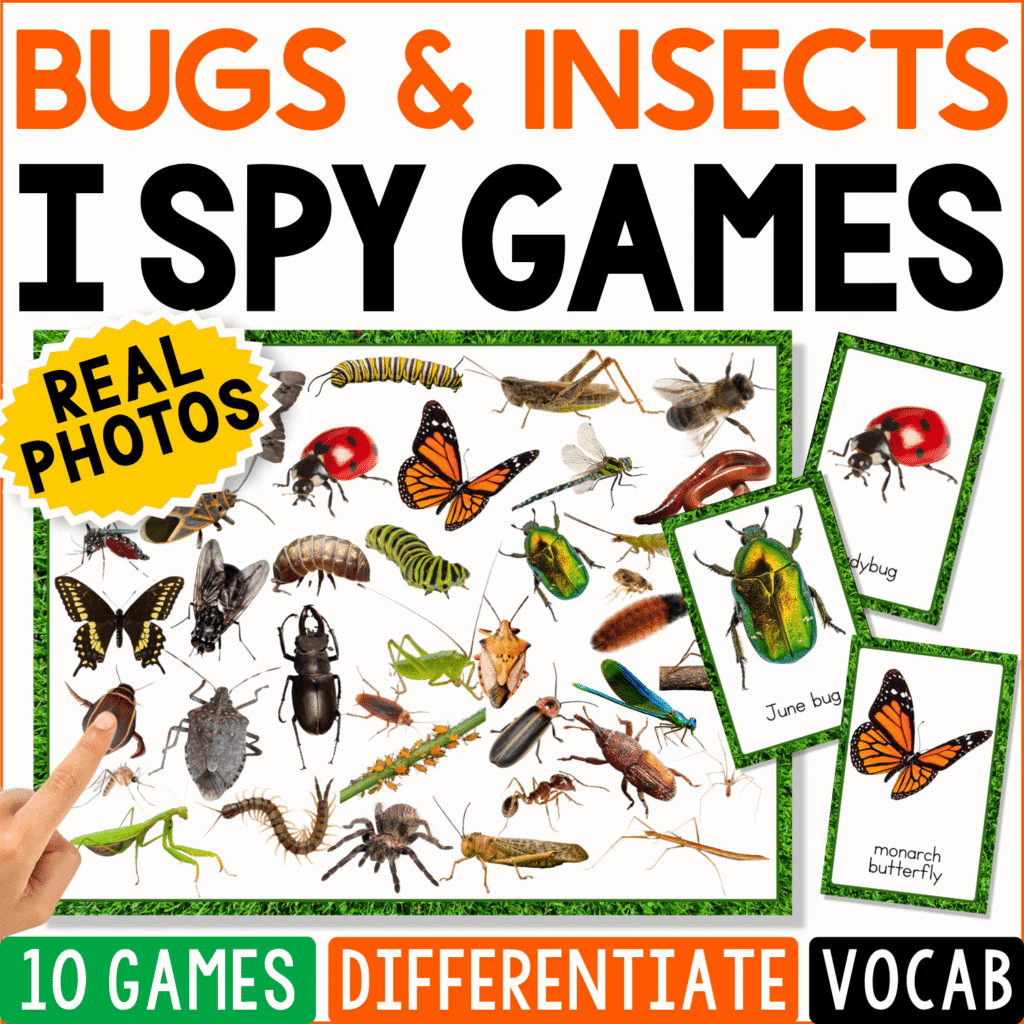
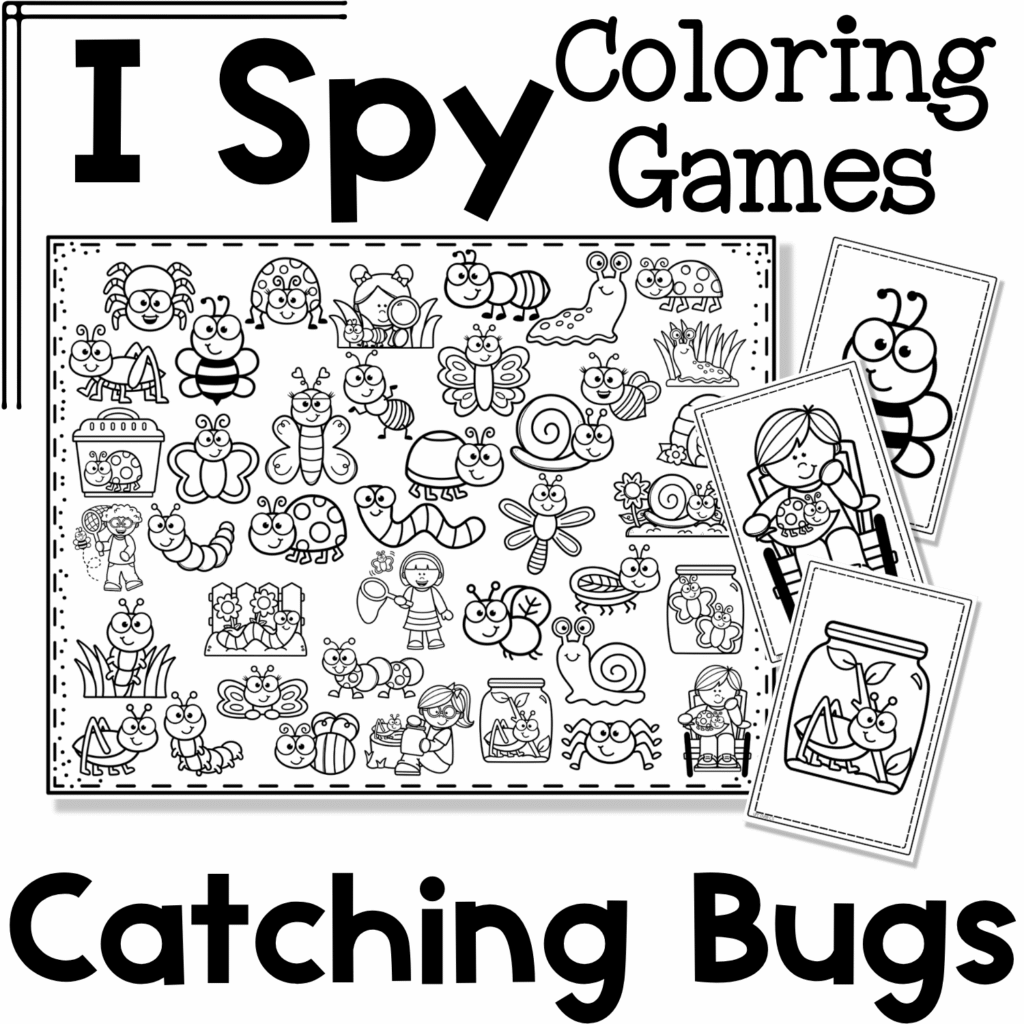


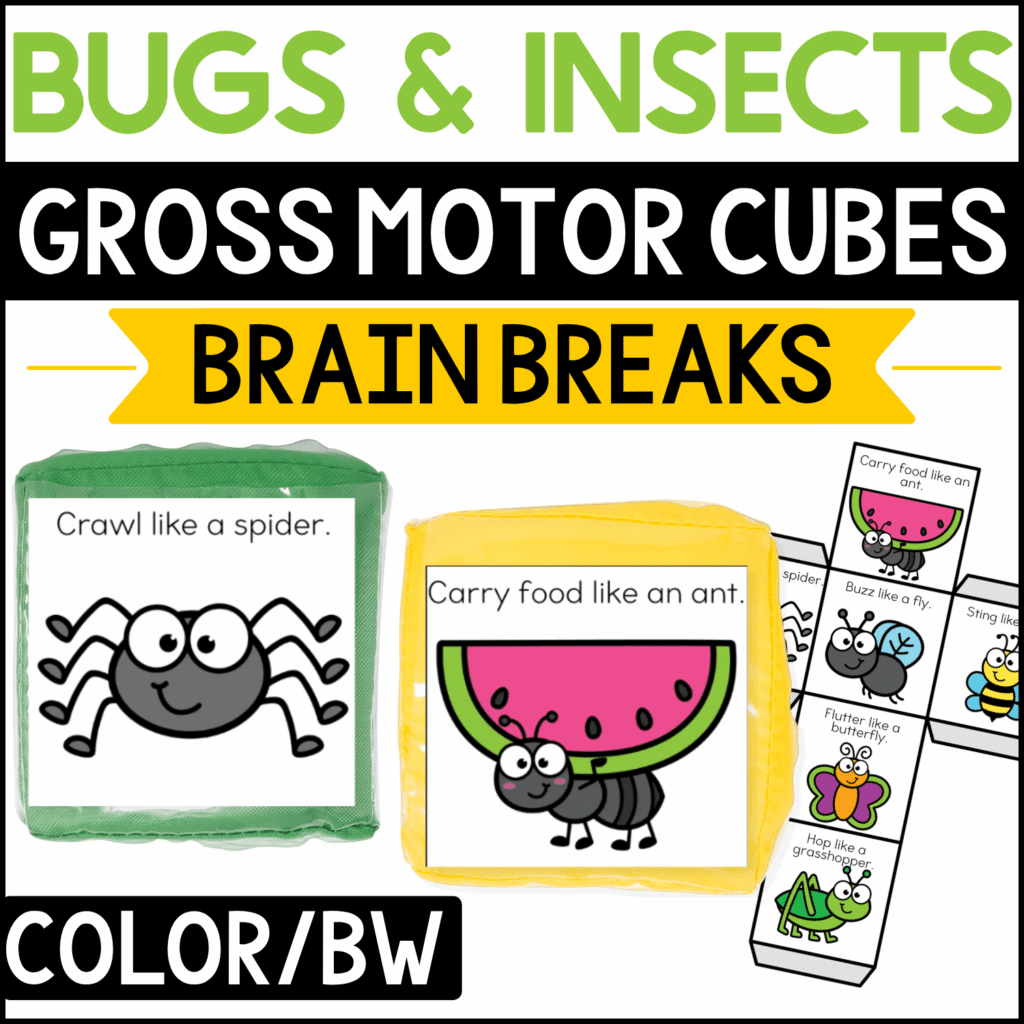

Insects and Bugs Graphing Dice
- 1 printable fold-up picture die
- 1 graph page with a column for each picture
Print in color. Cut out and fold the die, then tape it together. Laminate the graph to use with counters or a dry-erase marker.
Required Materials:
- Paper, Printer, Ink
- Scissors
- Tape
- Laminator (optional)
- Gems or counters
Standards for Data and Counting
This Insects and Bugs graphing activity supports early math standards connected to sorting, counting and graphing data.
Common Core State Standards: Mathematics
- CCSS.MATH.CONTENT.K.MD.B.3: Classify objects into given categories and count the number of objects in each category. Kids sort each roll into a column and count each column.
- CCSS.MATH.CONTENT.K.CC.B.5: Count to answer “how many?” questions. Kids count how many are in each column.
Texas Prekindergarten Guidelines and TEKS for Mathematics
- TEKS K.8A: Collect, sort and organize data into two or three categories. Kids sort each roll into the matching column.
- TEKS K.8B: Use data to create real-object and picture graphs. Kids build a picture graph one roll at a time.
- TEKS K.8C: Draw conclusions from real-object and picture graphs. Kids tell which column has the most and the fewest.
Virginia Mathematics Standards of Learning
- K.PS.1: Apply the data cycle to sort, organize and represent data in object and picture graphs. Kids graph their rolls and compare the columns.
Insects and Bugs Graphing Dice helps preschool and kindergarten kids collect, sort and graph data with a hands-on printable math activity.
Roll the die and watch the graph grow! Which of the bugs will win?
Kids roll the picture die, find the matching column on the graph and color a box or place a counter in that column. They keep rolling until one column reaches the top.
Talking about which column has the most, the fewest or the same builds early data skills and counting.
Keep the die and a laminated graph in a math center for a quick roll-and-graph game.
How to Use Insects and Bugs Graphing Dice
- Roll the picture die.
- Find the matching picture at the bottom of the graph.
- Color a box or place a counter in that column.
- Keep rolling until a column is full, then compare the columns.
Small Group: Give each child a graph and share one die. Take turns rolling and have everyone add to their graph.
Independent Practice: Set the die and graphs in a math center. Kids roll and graph on their own, then share which picture won.
Easy Ways to Differentiate This Graphing Activity
Some kids in your group are still learning to match a picture and count a short column, some can graph on their own and some are ready to compare columns and explain what the graph shows. The die and graph stay the same. What changes is how long kids roll and what questions you ask about the finished graph.
For Children Who Need More Support:
- Roll the bug die five times only so the graph stays small and easy to read. A short game lets kids finish with success.
- Name each picture on the bug die together before playing, like an ant, a spider, a worm, a caterpillar, a grasshopper and a bee. Knowing the names helps kids find the right column.
- Use counters on the bug graph instead of coloring, so mistakes are easy to fix. Counters also let kids recount.
- Count each bug column together, touching each box. Touching keeps the count matched to the boxes.
For On-Level Practice:
- Roll the bug die until one column is full. A full column gives the game a clear end.
- Have kids tell which bug picture has the most and which has the least. Talking about the graph turns it into information.
- Have kids count every bug column and write the number under it. Written numbers make comparing easier.
- Compare bug graphs with a partner and talk about why they are different. Explaining differences builds math talk.
For an Extra Challenge:
- Ask how many more ants there are than spiders. Finding the difference is early subtraction.
- Have kids predict which bug picture will win before rolling, then check. Predicting adds a reason to watch the data.
- Make a tally chart of the bug rolls and compare it to the graph. Seeing the same data two ways builds graphing skills.
- Ask kids to explain why the bug results change each game. Talking about it introduces the idea of chance.
For Speech, OT, ELL or Special Education Support:
- Let kids who find coloring hard set plastic bugs on the bug graph instead. Placing objects still shows the count.
- Make a large bug die from a tissue box for kids building grasp. A bigger die is easier to hold and toss.
- For multilingual learners, name each bug picture together, using words like ant, spider, worm and caterpillar. Knowing the words helps kids talk about the graph.
- Play the bug graphing game with a partner, taking turns rolling. Turn-taking practice fits naturally into each roll.
Insects and Bugs Graphing Dice Is Perfect For:
- Preschool and pre-K
- Kindergarten
- ELL and multilingual learners
- Spring, insect and bug themes
- Math centers
- Morning tubs
- Small-group instruction
- Intervention
- Special education
- Speech, OT and early intervention sessions
- Homeschool preschool and kindergarten
- Substitute plans


