Brain Break Dice: Water Play and Swimming
Recommended Grade Level:
Type of Resource: PDF
Number of Pages: 8

You must be an Annual or Forever Member to Access this Resource.
Join the Life Over C’s Club to Access

Already a member? Login below:
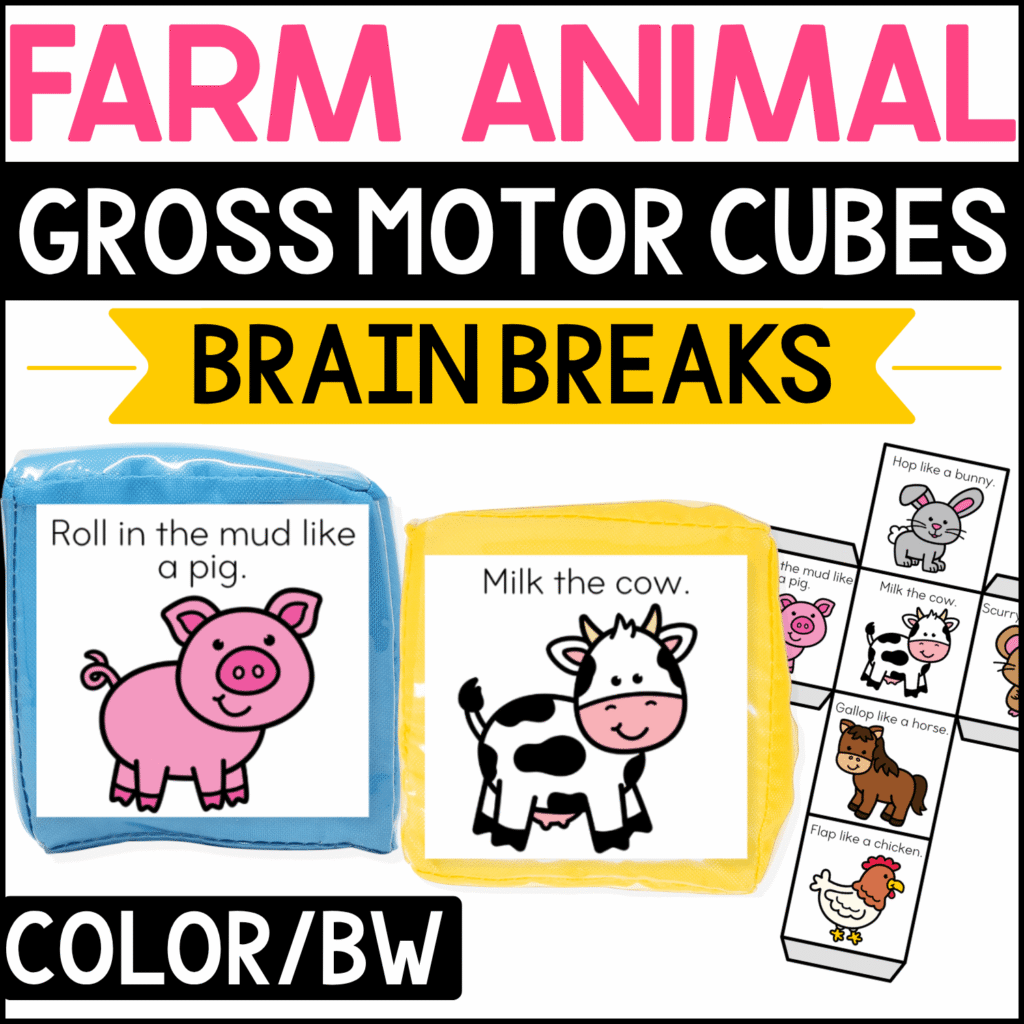
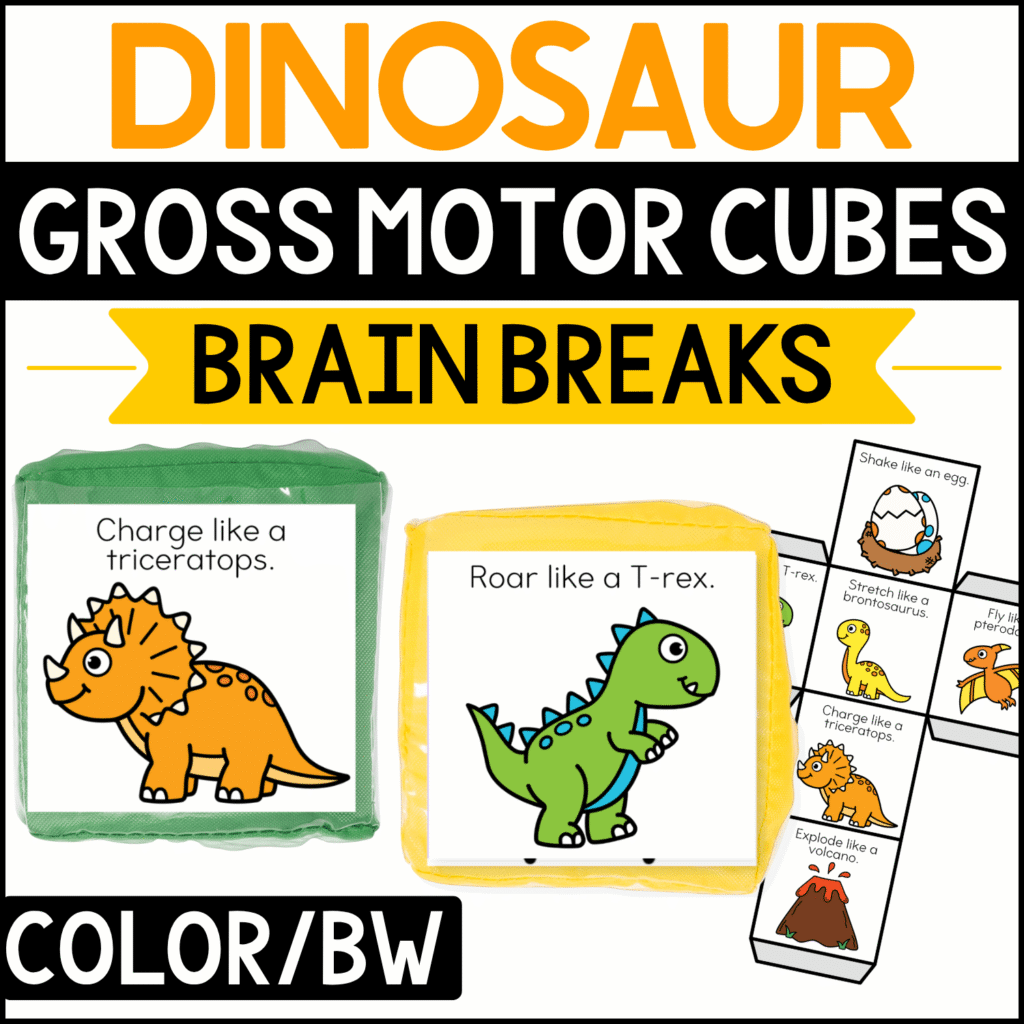
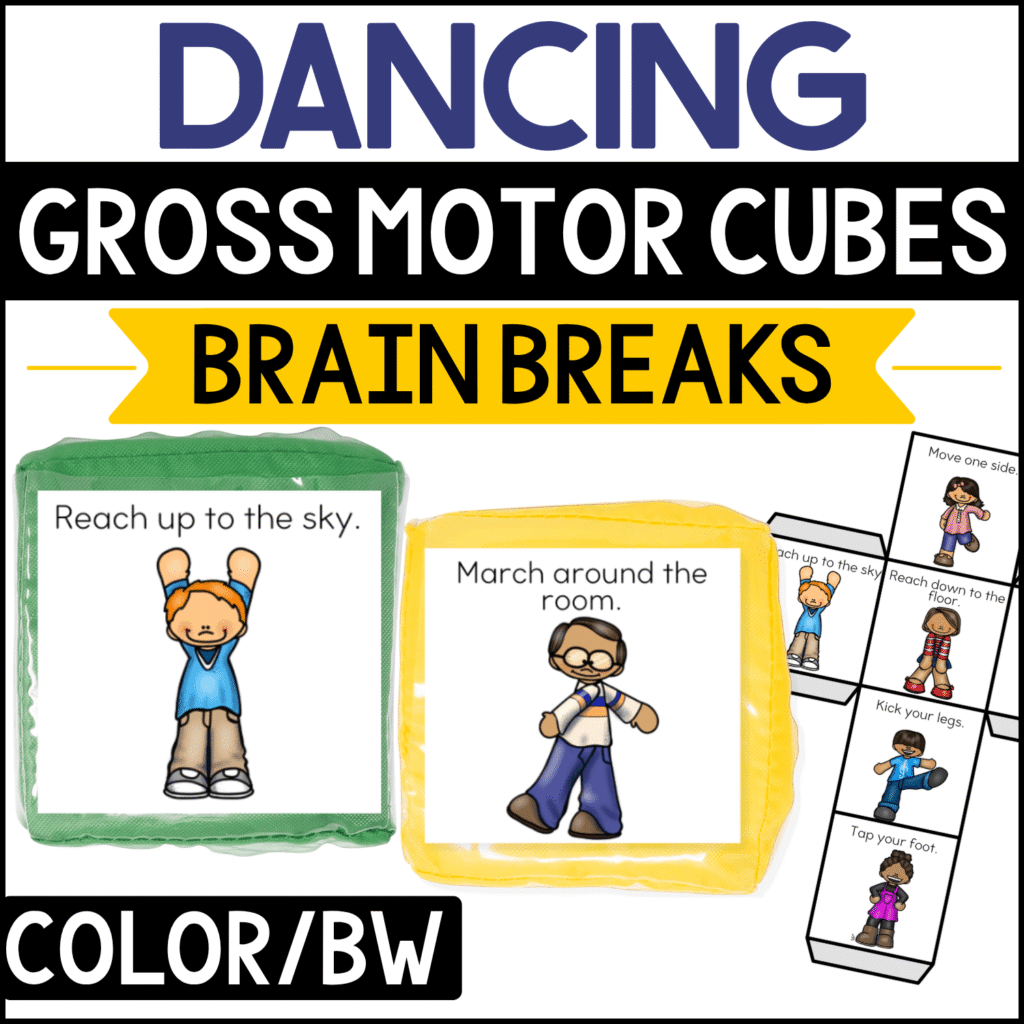

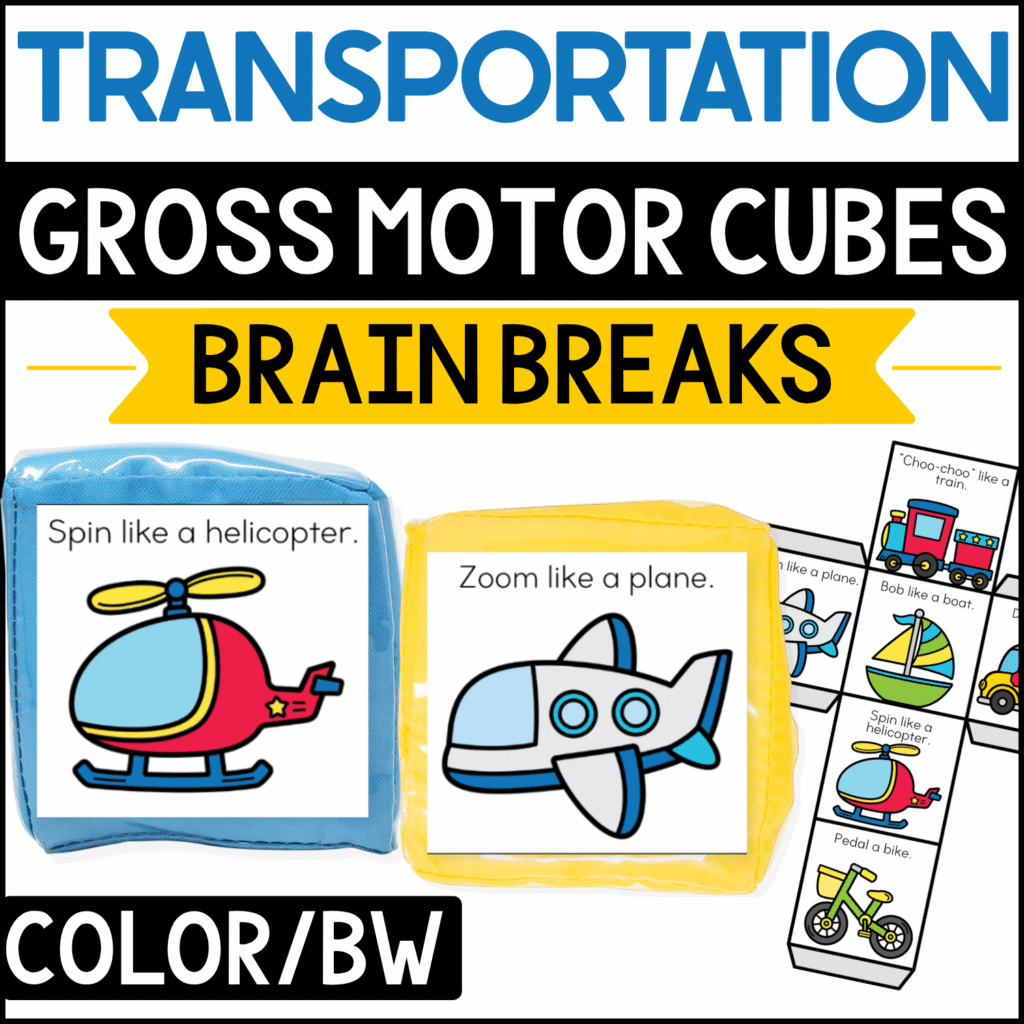
Water Play and Swimming Brain Break Dice
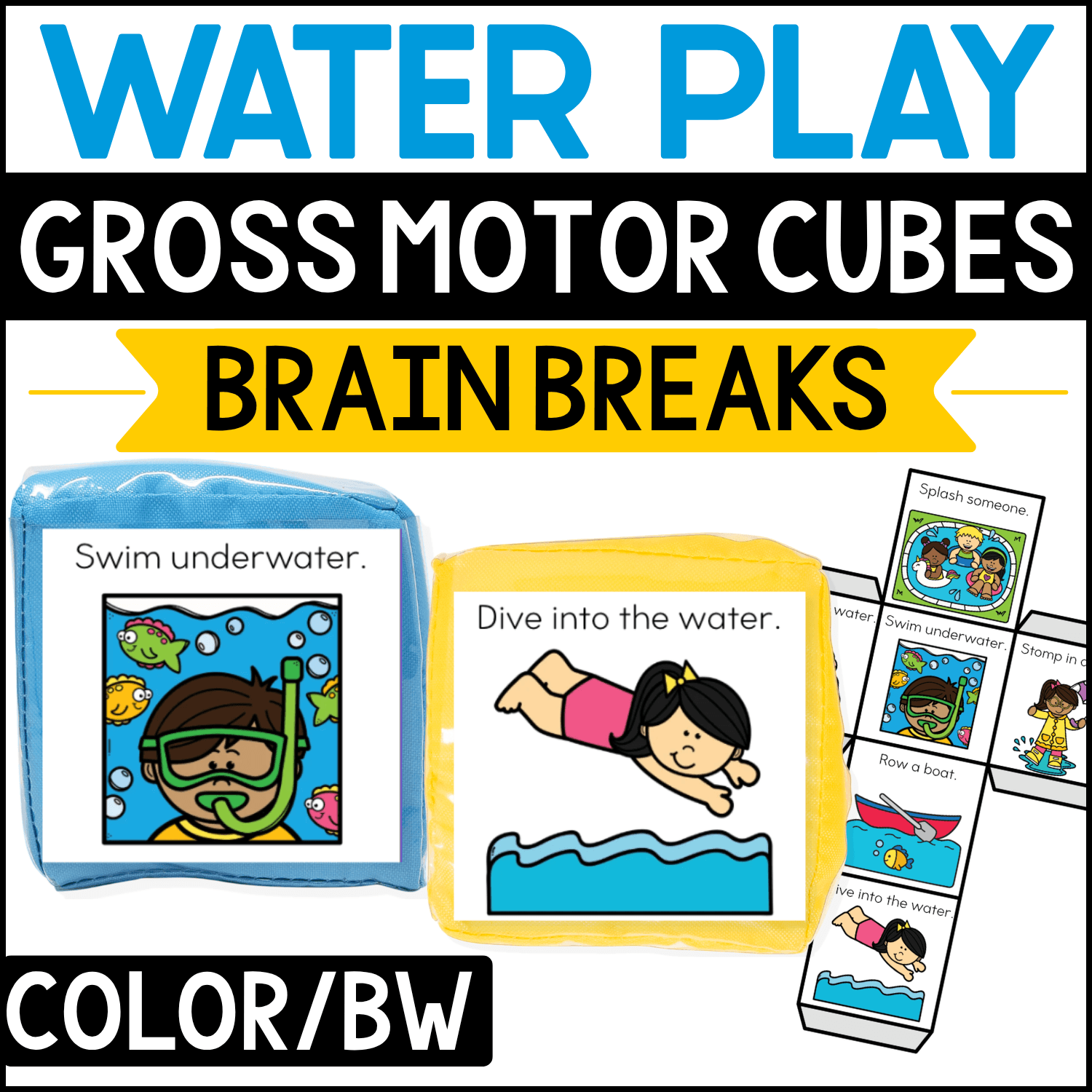
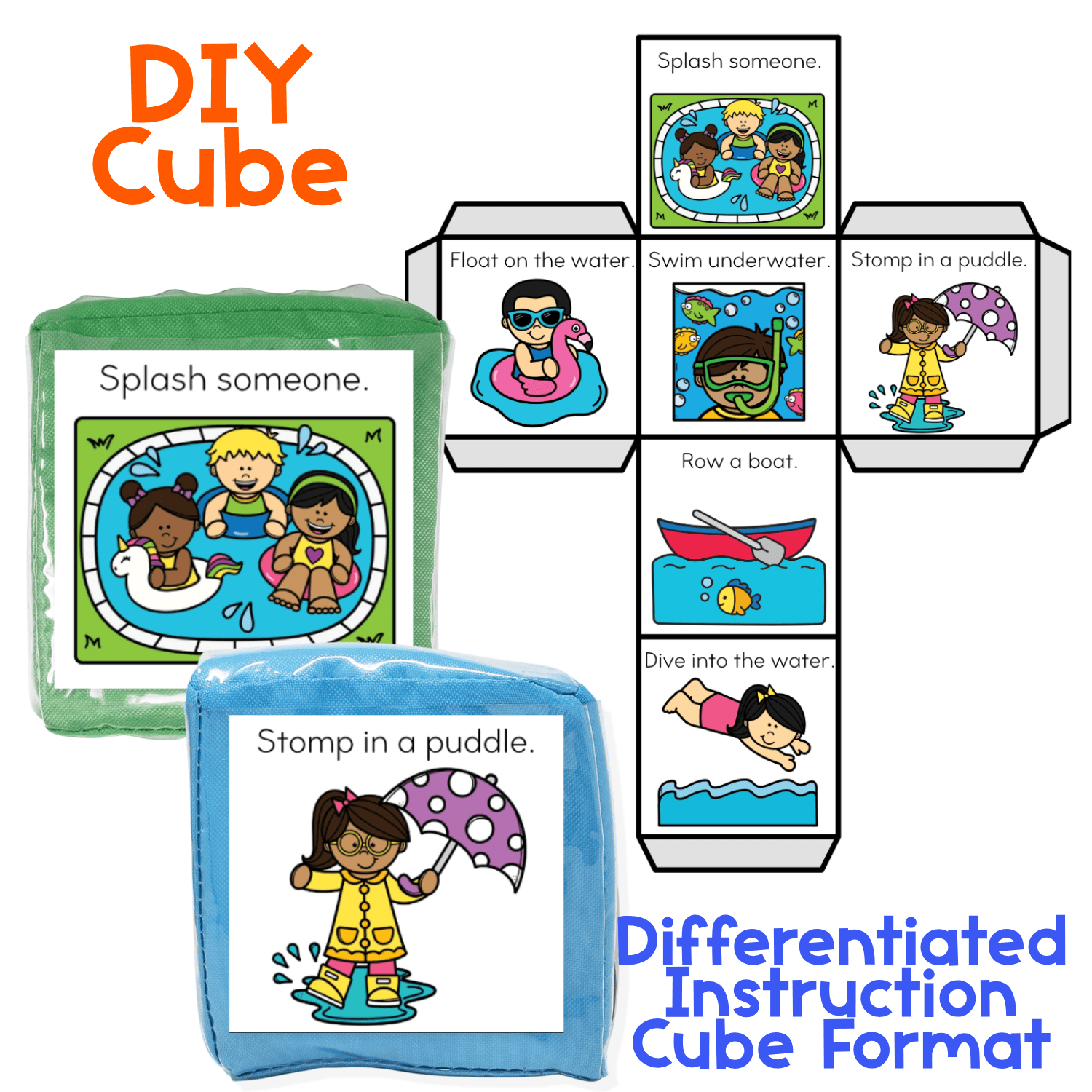
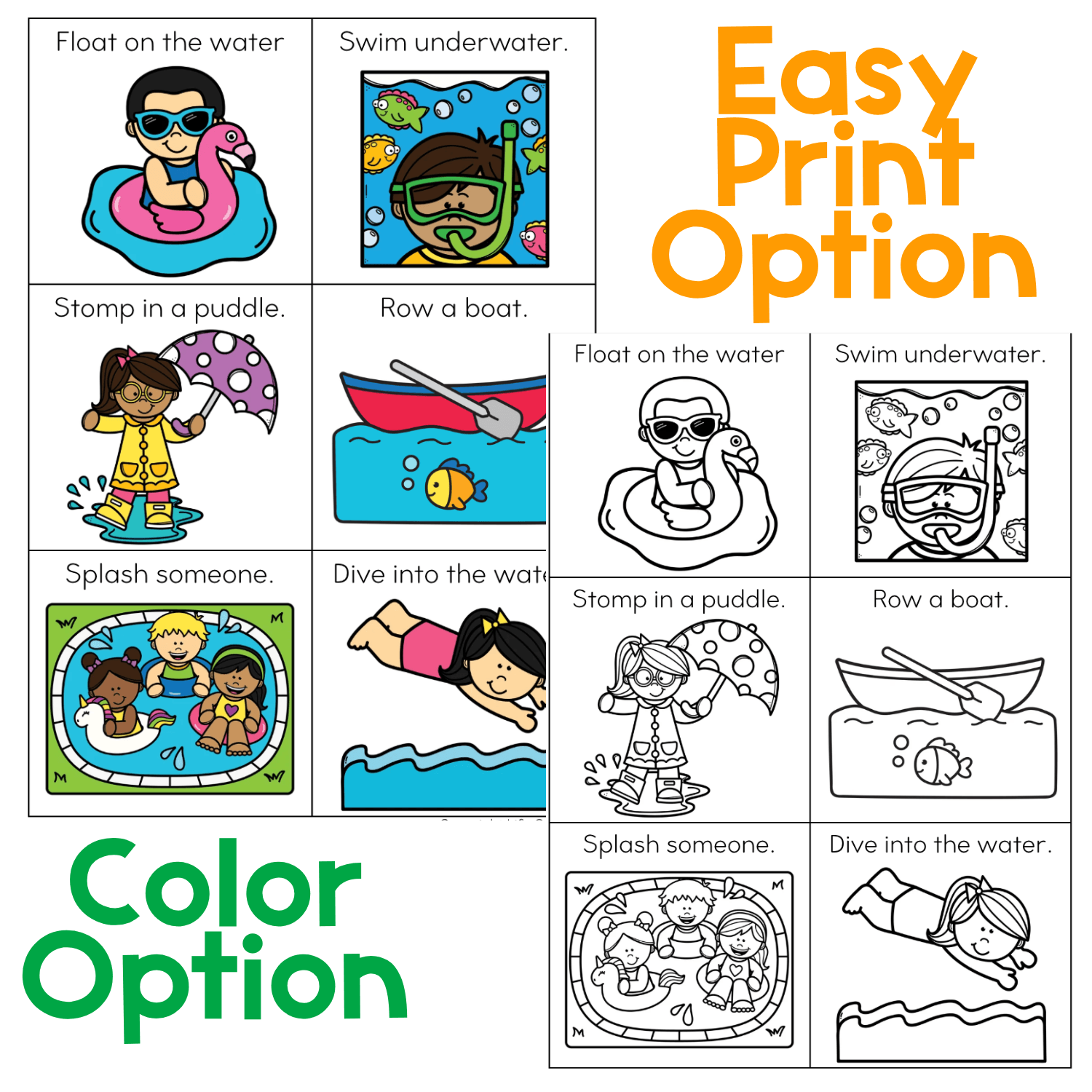
- 6 water play movement cards to slide into a pocket cube, in color (splash someone, dive into the water, float on the water, swim underwater, stomp in a puddle and row a boat)
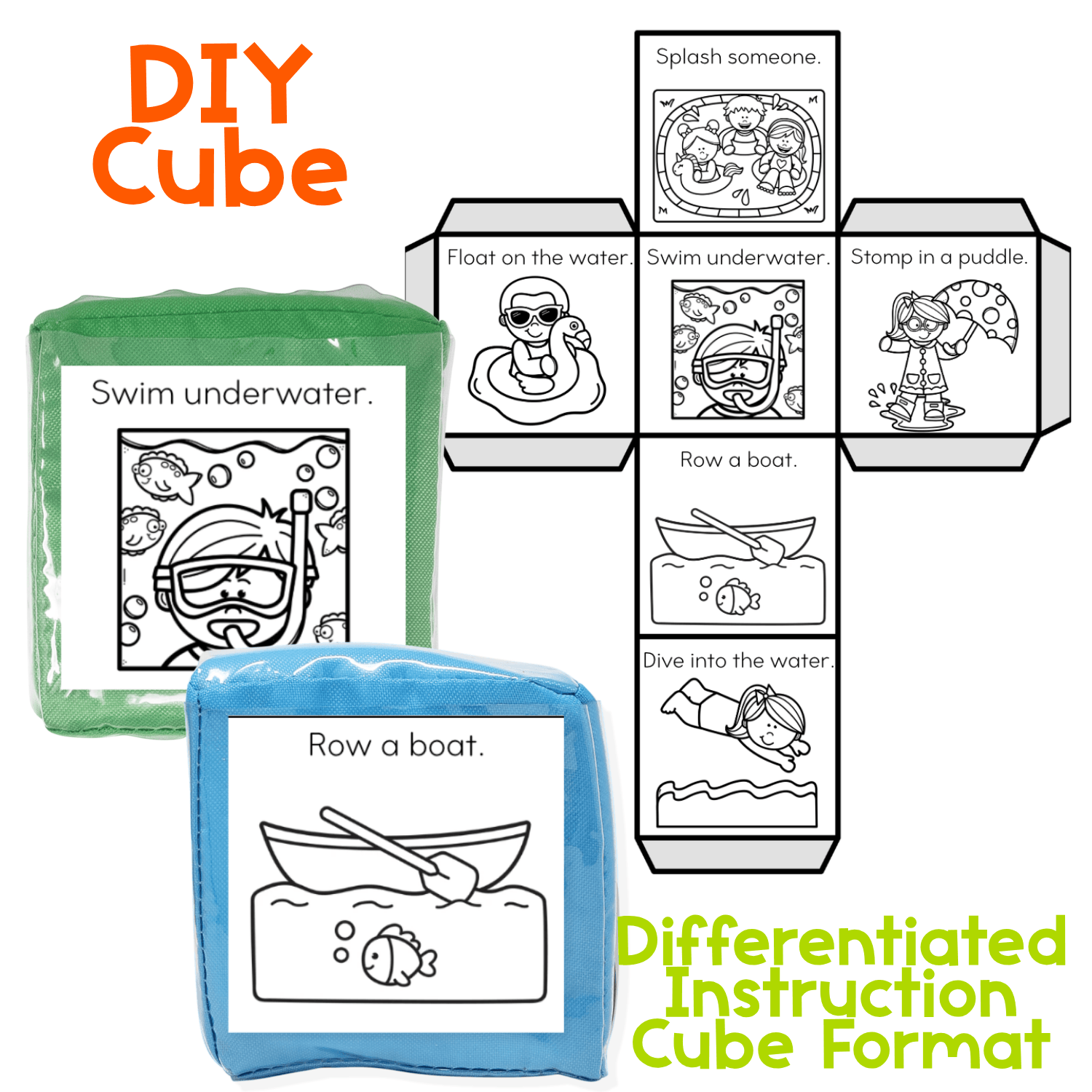
- The same cube inserts in black and white
- Build-your-own paper cube template in color and black and white
- Instruction page
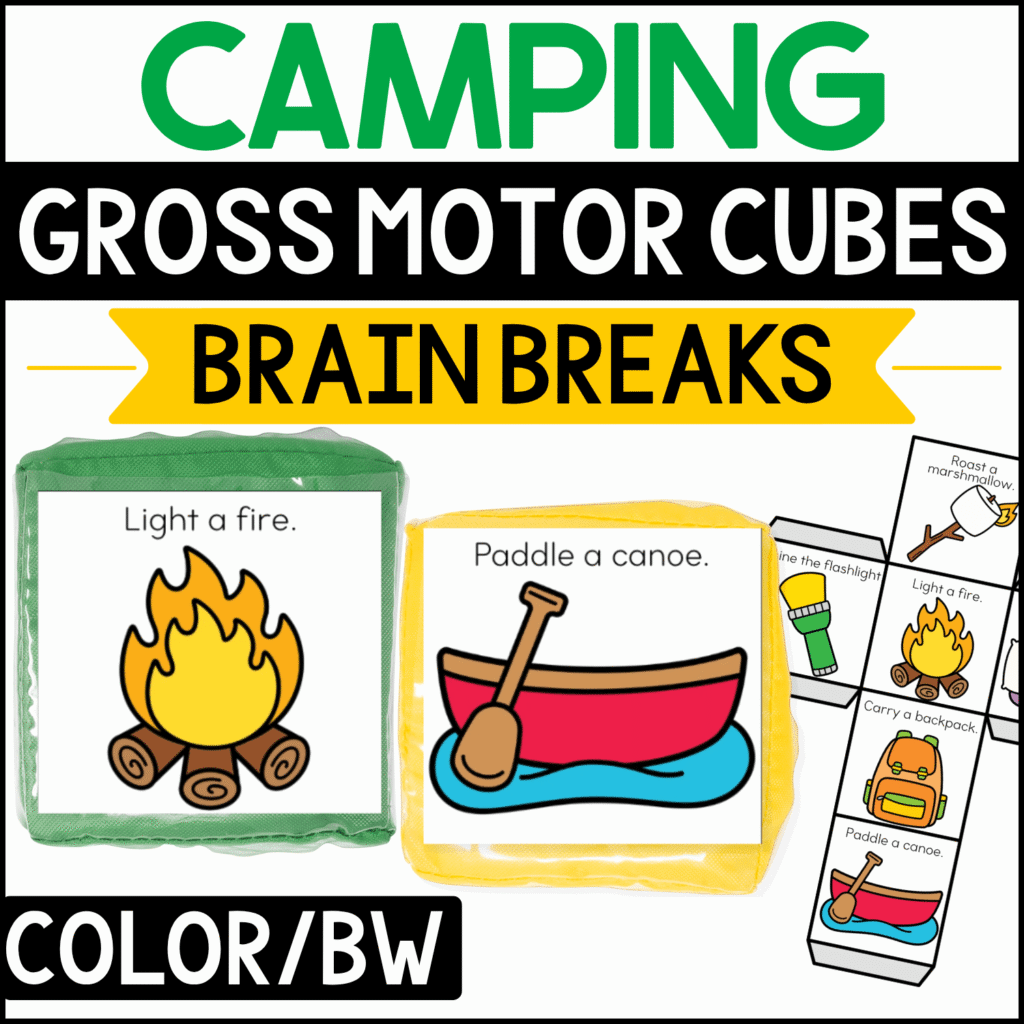
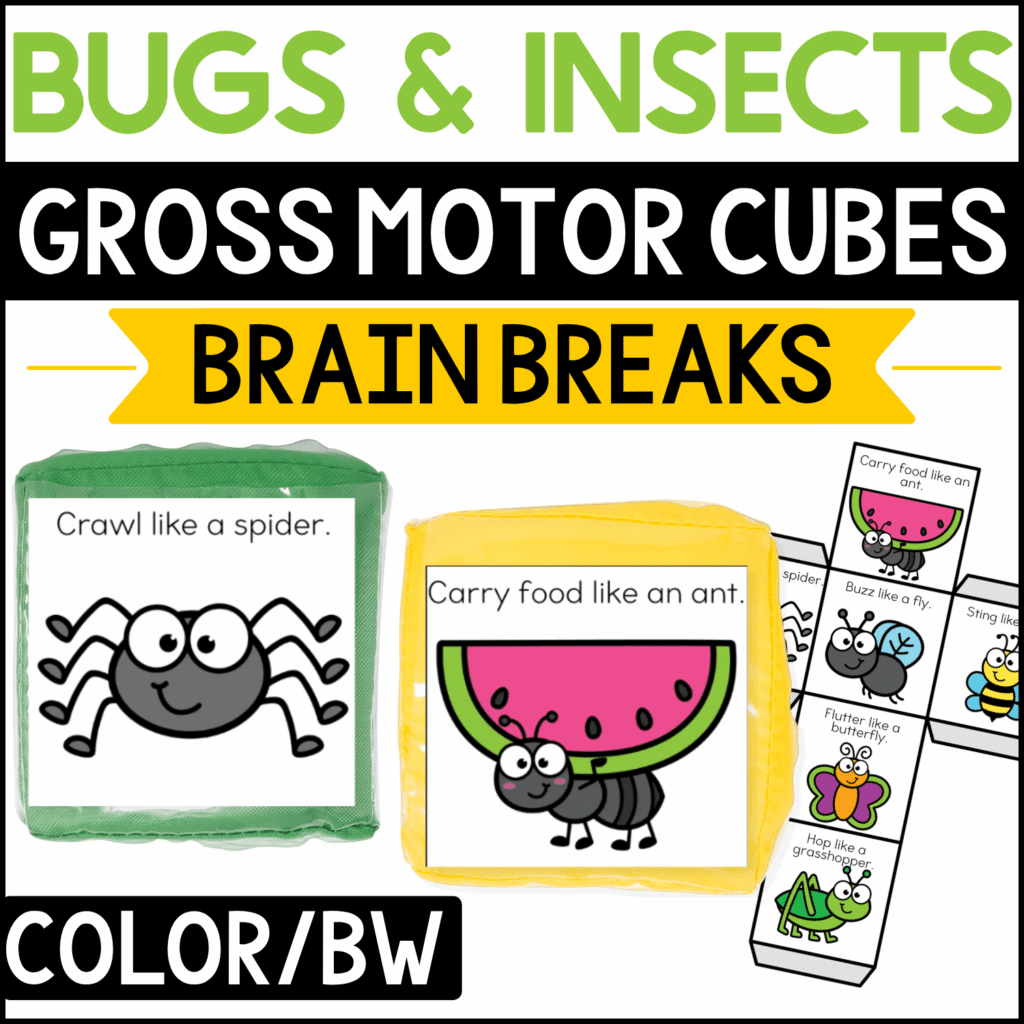
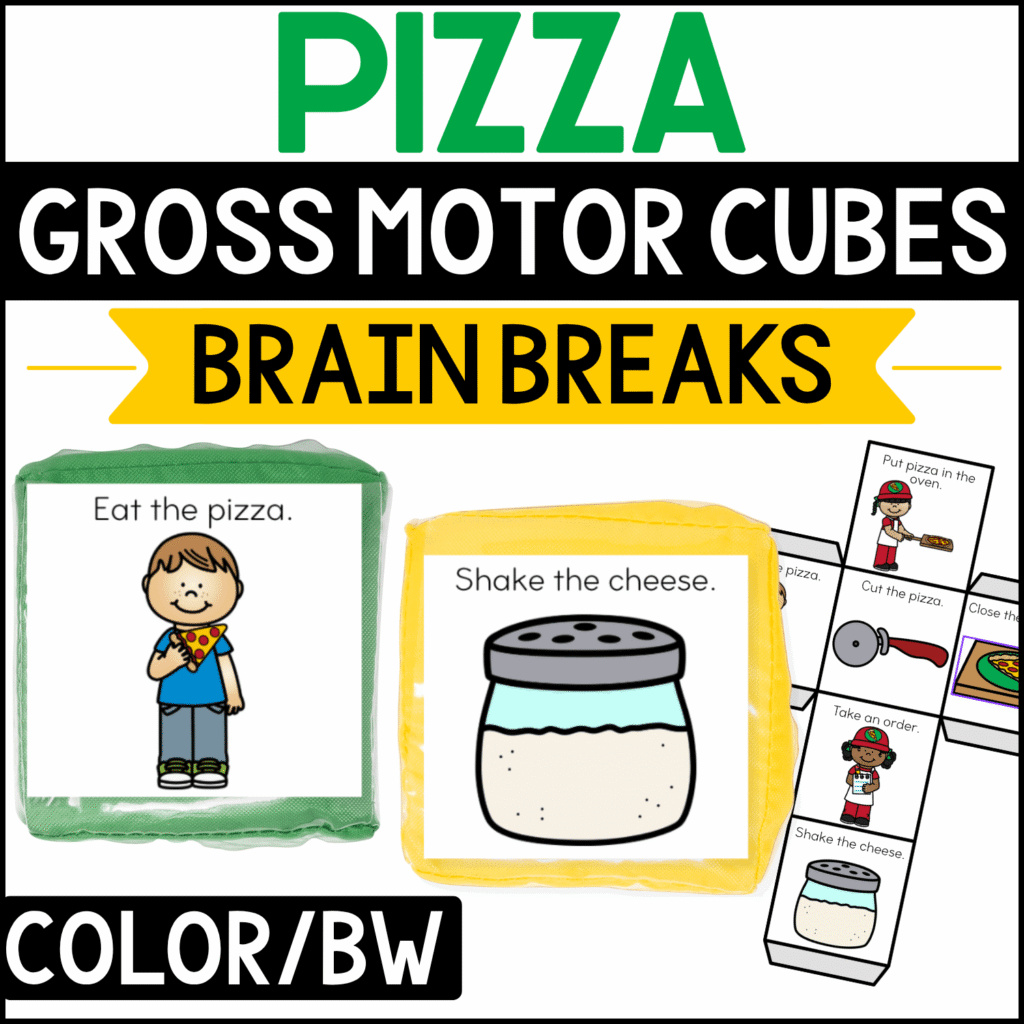
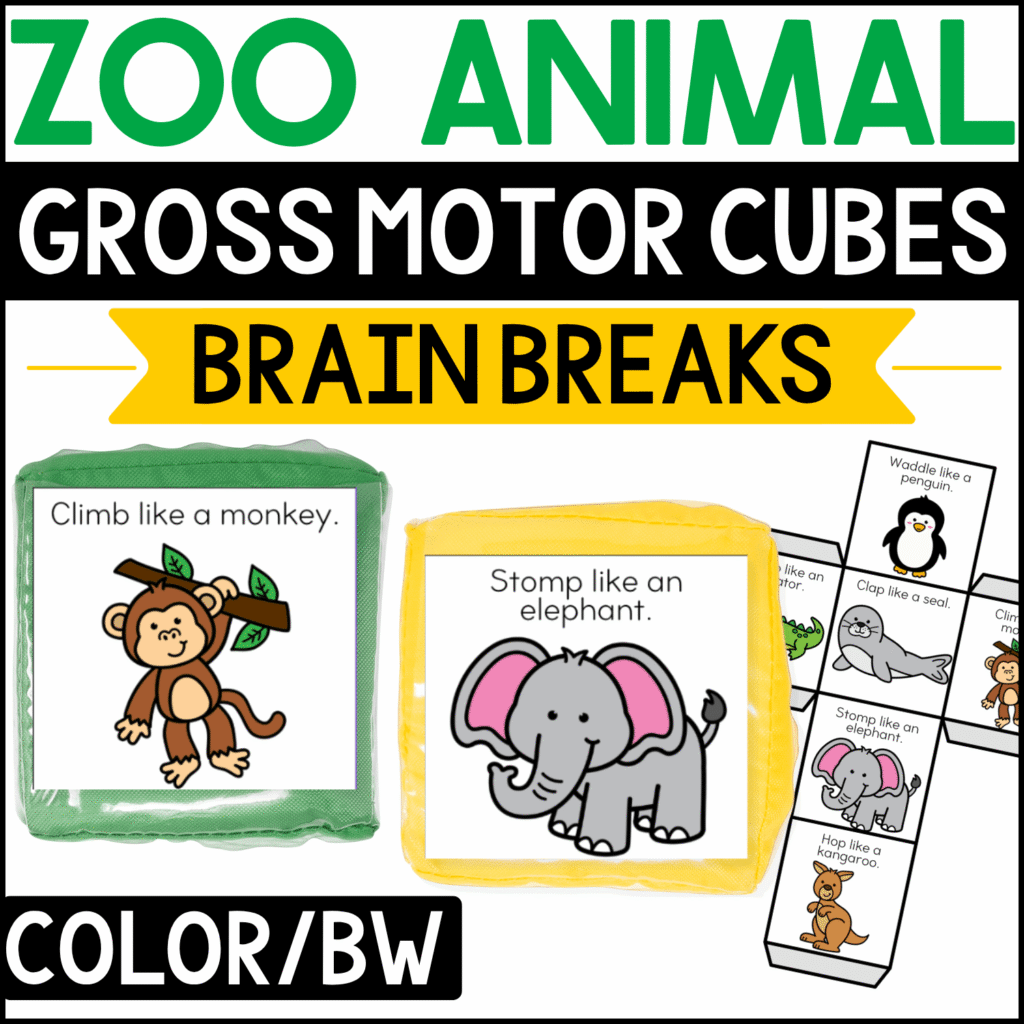
Slide the inserts into a clear pocket cube or print, cut, fold and tape the paper cube. Kids roll it and act out the movement that lands on top.
Required Materials:
- Paper, printer and ink
- Scissors or a paper cutter
- Tape (for the paper cube)
- Optional: a clear pocket cube and a laminator
Standards for Gross Motor Skills, Listening and Vocabulary
This water play brain break supports early learning standards connected to gross motor coordination, following directions and acting out action words.
Common Core State Standards: English Language Arts
- CCSS.ELA-LITERACY.L.K.5.D: Distinguish shades of meaning among verbs describing the same general action by acting out the meanings. Kids act out each action word on the cube.
- CCSS.ELA-LITERACY.L.K.6: Use words and phrases acquired through conversations, reading and being read to and responding to texts. Kids learn water play words and action words as they play.
Texas Prekindergarten Guidelines and TEKS for Physical Education
- PK4.IX.A.1: Child demonstrates coordination and balance in isolation. Kids balance and move their bodies to match each action.
- PK4.IX.A.2: Child coordinates sequence of movements to perform tasks. Kids put together the steps of each pretend movement.
- TEKS PE K.1(C): Demonstrate visual tracking and tracing, simple balancing, cross lateralization and sequencing of two skills.
- TEKS PE K.6(C): Demonstrate safe practices by following rules, procedures and directions during class and activities. Kids listen to the action and follow it safely.
Virginia Physical Education Standards of Learning
- K.1.b: Demonstrate bending, pushing, pulling, turning and balancing on one foot.
- K.2.c: Demonstrate the concept of personal and general space. Kids act out each movement in their own space.
- K.4.a: Demonstrate cooperative and safe behaviors during play. Kids take turns rolling and move safely as a group.
Brain Break Dice: Water Play and Swimming is a water play movement cube that gives preschool and kindergarten kids a quick brain break full of pretend play and big body movement.
Roll it, read it and move! Each side shows a water play action to act out: splash someone, dive into the water, float on the water, swim underwater, stomp in a puddle and row a boat. Kids roll, look at the picture and do the move until it’s time to roll again.
Little bodies need to move, and a two-minute brain break between lessons can really help kids refocus. These moves get kids stretching, jumping, crawling and balancing while they use their imaginations, so it feels like play and not exercise.
The movement cards slide right into a pocket cube (the clear plastic photo cubes), so you can switch themes in seconds. No pocket cube? Use the build-your-own paper cube template, which comes in color and in black and white.
Use it during circle time, between centers, during indoor recess or any time the wiggles take over. It fits right into summer too.
How to Use Water Play and Swimming Brain Break Dice
- Slide the movement cards into a pocket cube or build the paper cube.
- Have kids stand up with plenty of space around them.
- Roll the cube and look at the picture together.
- Name the move and act it out for 15 to 30 seconds.
- Roll again and keep going until the brain break is over.
Whole Group: Let one child roll for the class each time and have everyone act out the move together.
Small Group: Take turns rolling and choosing how many times to do each move. Count the moves out loud together.
Easy Ways to Differentiate This Movement Cube
Some kids need a slow model, some are ready to roll and go and some can handle a sequence. This water play die has kids splash someone, dive into the water, float on the water, swim underwater, stomp in a puddle and row a boat.
For Children Who Need More Support:
- Show dive into the water by putting arms together over your head and bending forward slowly while you narrate. A clear model helps kids plan.
- Start with stomp in a puddle and row a boat. Easy moves build success.
- Let kids float on the water while seated, arms out and relaxed. A calm, seated move works for everyone.
- Teach splash someone as a pretend splash with no touching. A clear rule keeps the game kind and safe.
For On-Level Practice:
- Have kids say the move before doing it, like swim underwater. Saying it first connects words to action.
- Count to ten together while kids stomp in a puddle. Counting adds math.
- Have kids swim underwater by holding their breath for a pretend count of three and swimming with big strokes. A short breath hold builds body awareness.
- Let kids take turns as the lifeguard who rolls and shows each move. Leading builds confidence.
For an Extra Challenge:
- Roll three times and act out a day at the pool. Linking moves into a story builds sequencing.
- Have kids stomp in a puddle softly, then hard, then on tiptoes. Changing how they stomp builds body control.
- Ask kids to invent a water move, like go down a waterslide, and teach it. Inventing a move takes planning.
- Talk about water safety rules after the break. Connecting the moves to safety builds vocabulary.
For Speech, OT, ELL or Special Education Support:
- For speech practice, use the sp blend in splash and the st blend in stomp. Fun words give focused practice.
- For OT practice, use row a boat for core strength and stomp in a puddle for heavy work. These moves target common goals.
- For ELL support, teach splash, dive, float and swim by acting each one out. Action words stick when kids move with them.
- For sensory needs, offer float on the water as a calm choice. A slow, floppy move helps kids settle.
Water Play and Swimming Brain Break Dice Is Perfect For:
- Preschool and pre-K
- Kindergarten
- Brain breaks
- Circle time
- Transitions
- Indoor recess
- Gross motor practice
- Physical therapy and OT sessions
- Speech therapy sessions
- Special education
- Early intervention
- Homeschool preschool
You must be an Annual or Forever Member to Access this Resource.
Join the Life Over C’s Club to Access
Already a member? Login below: