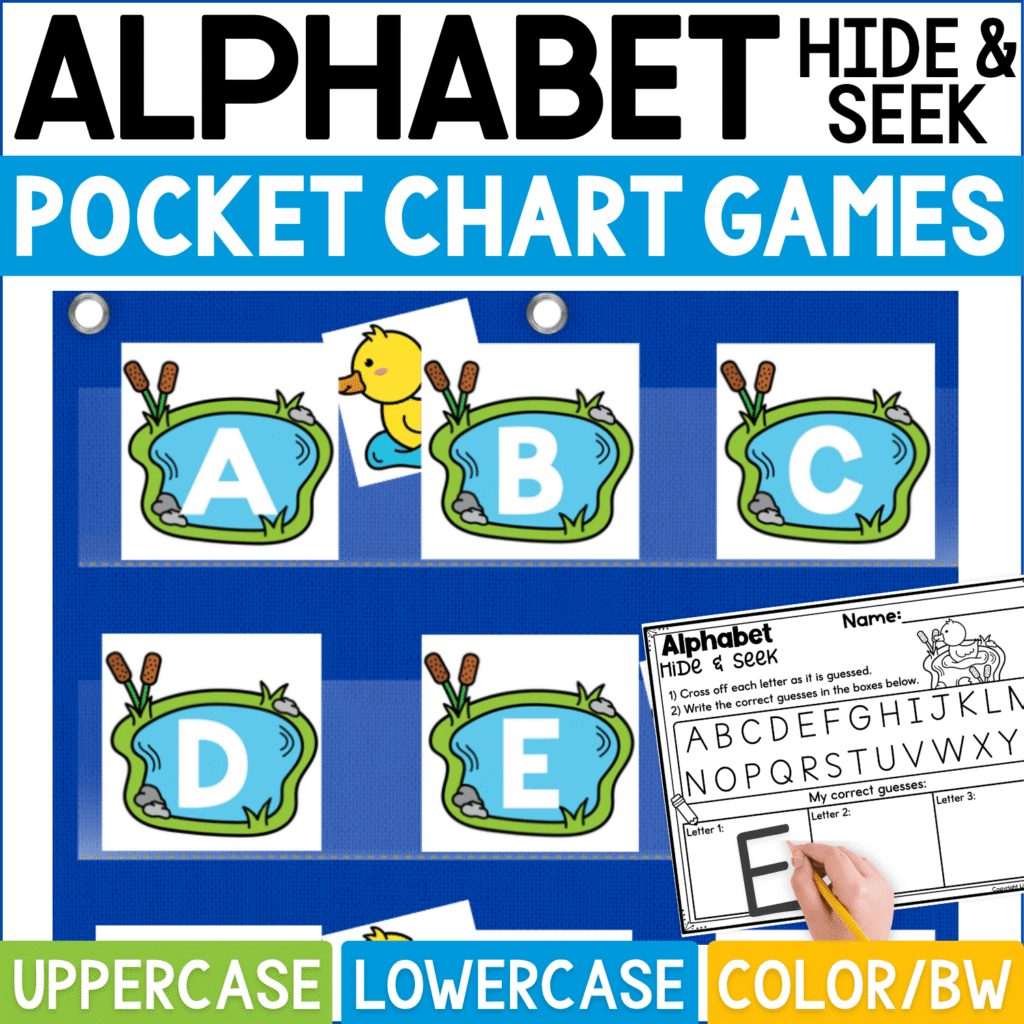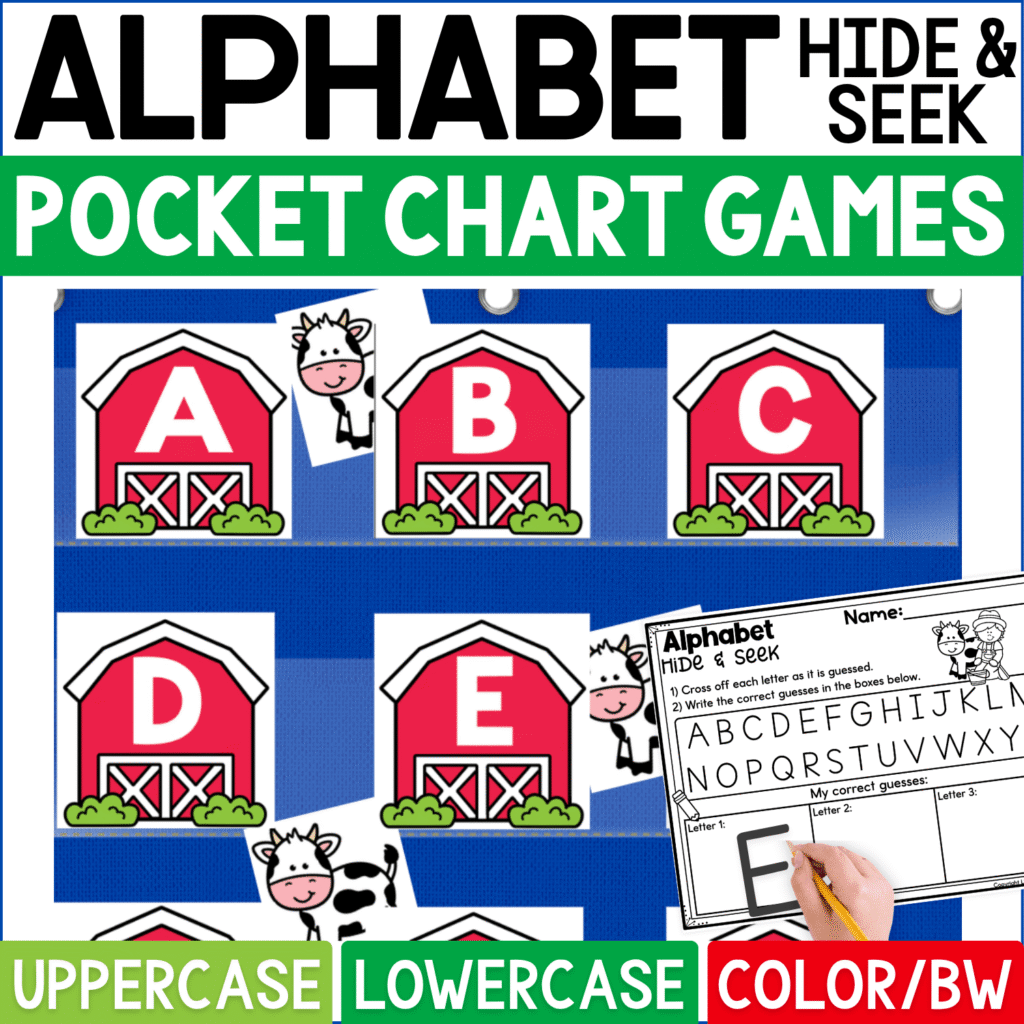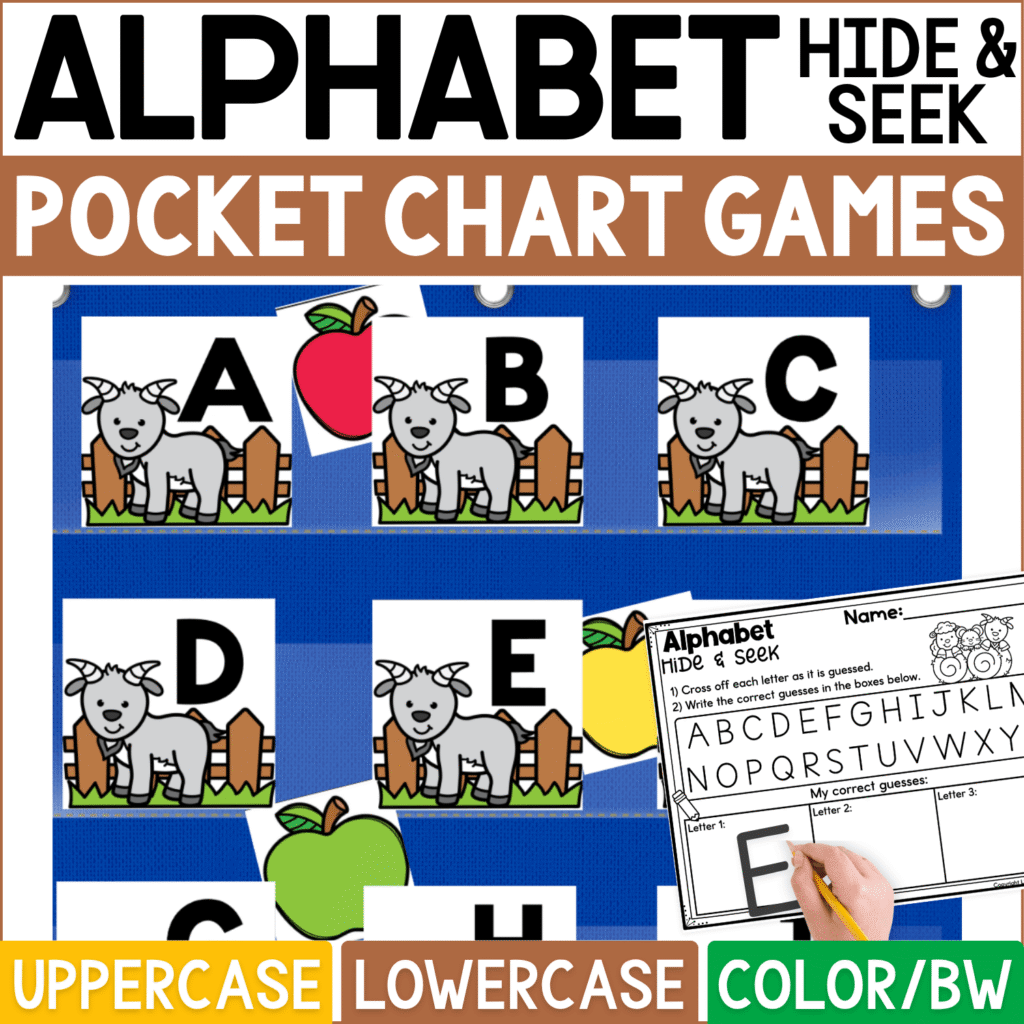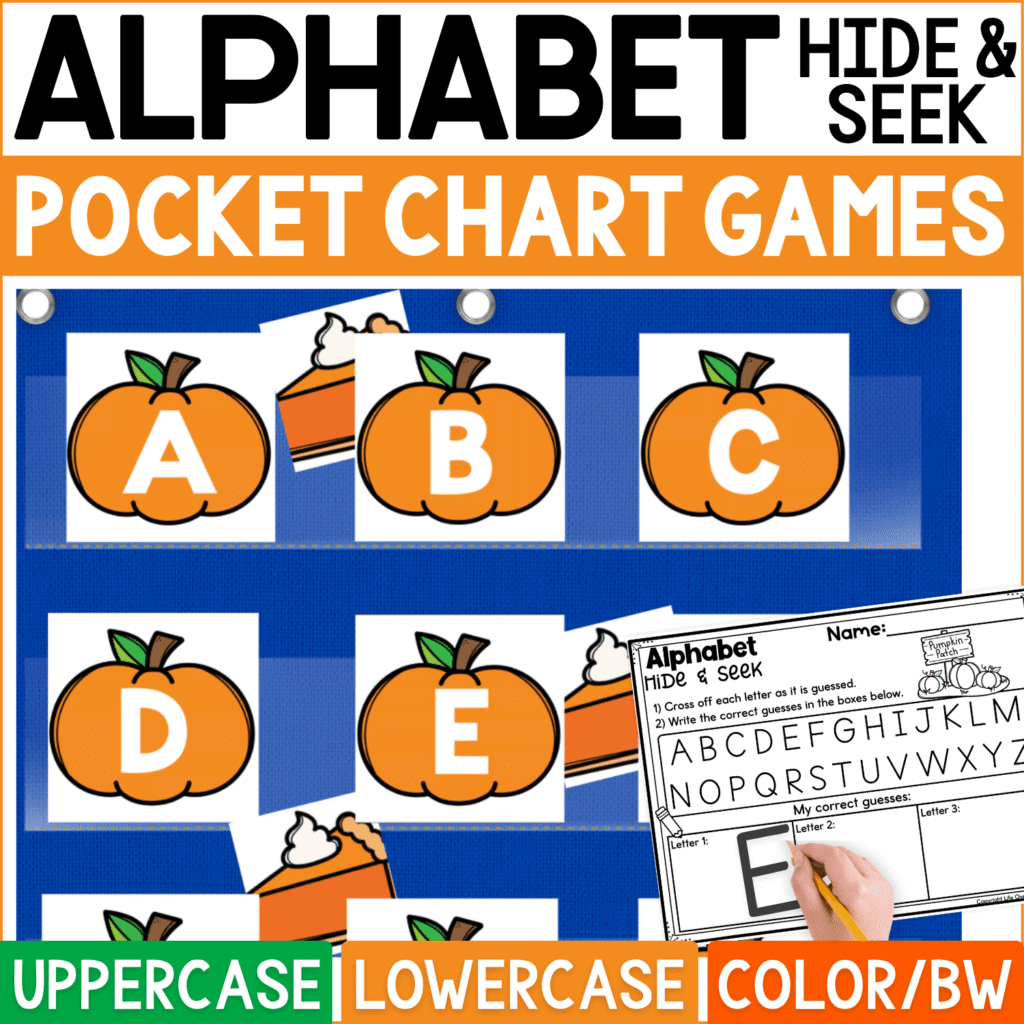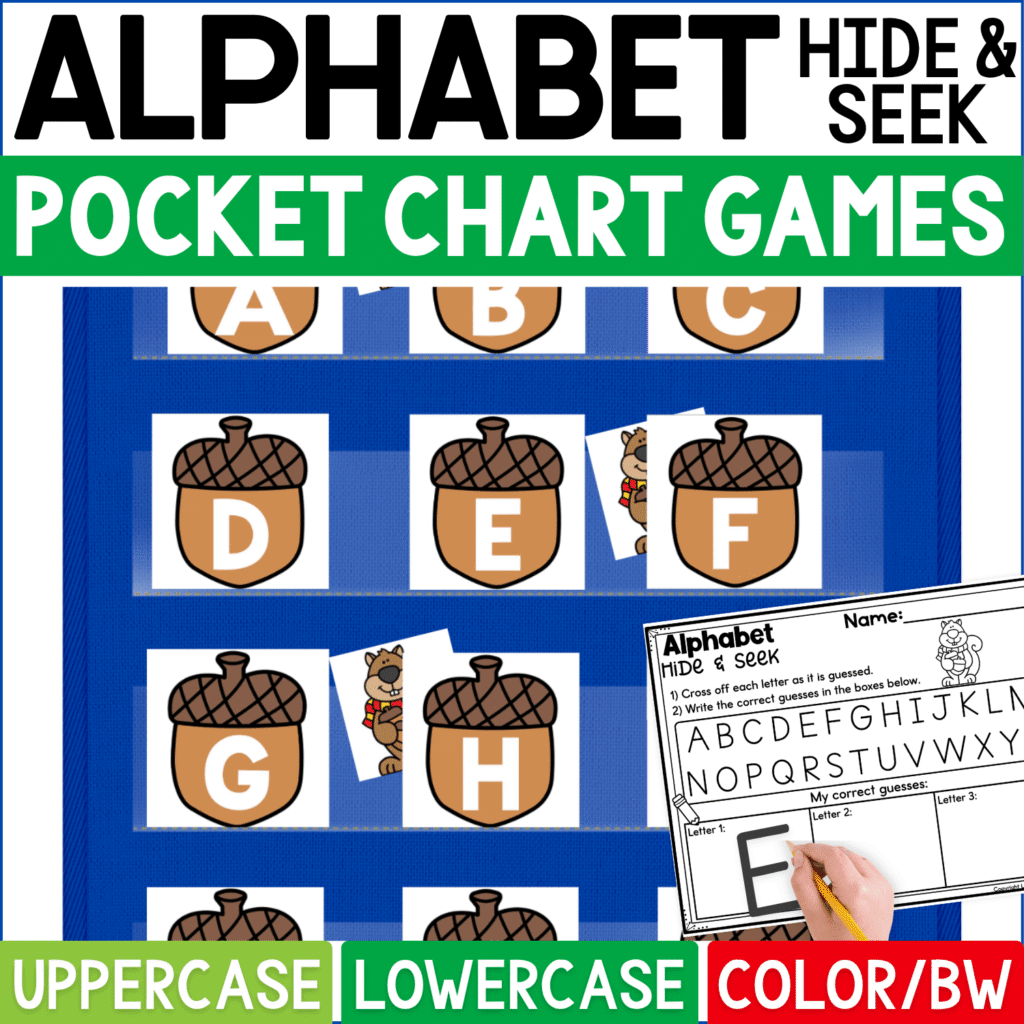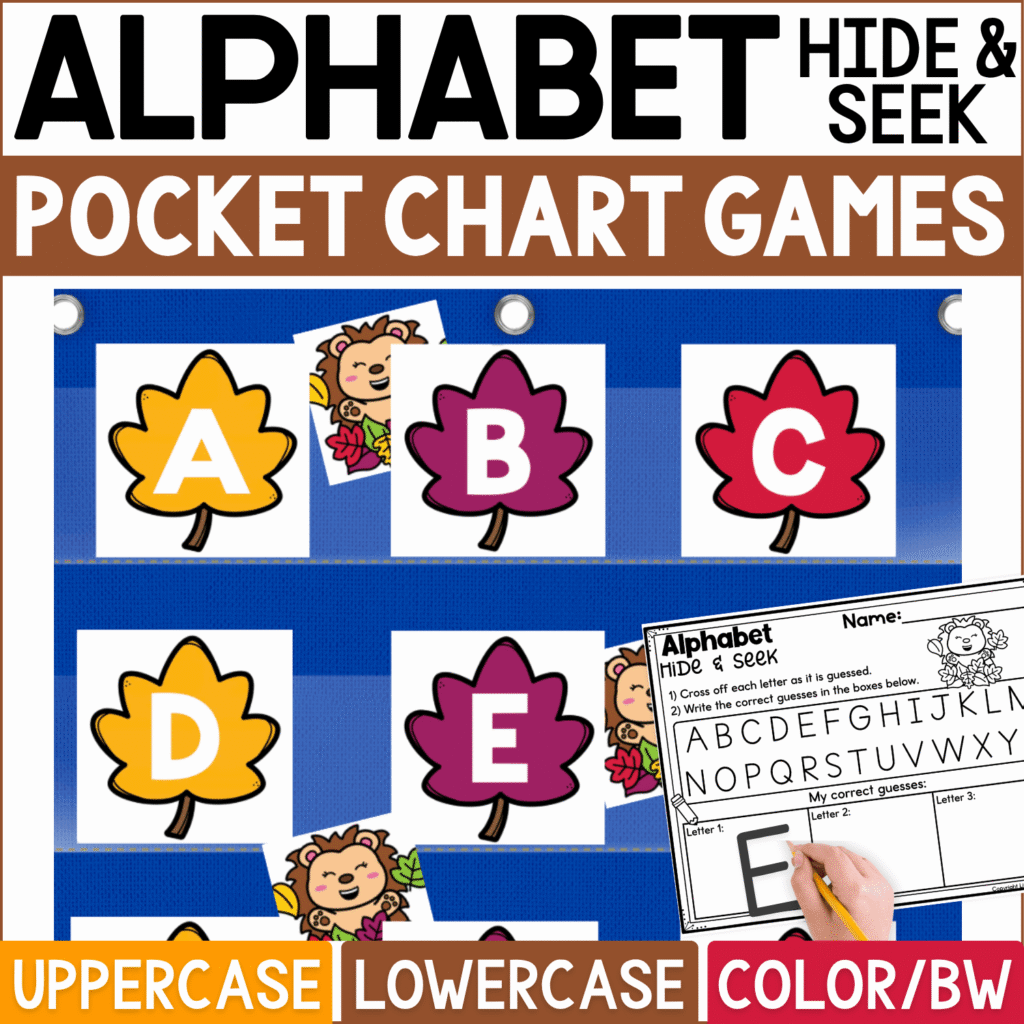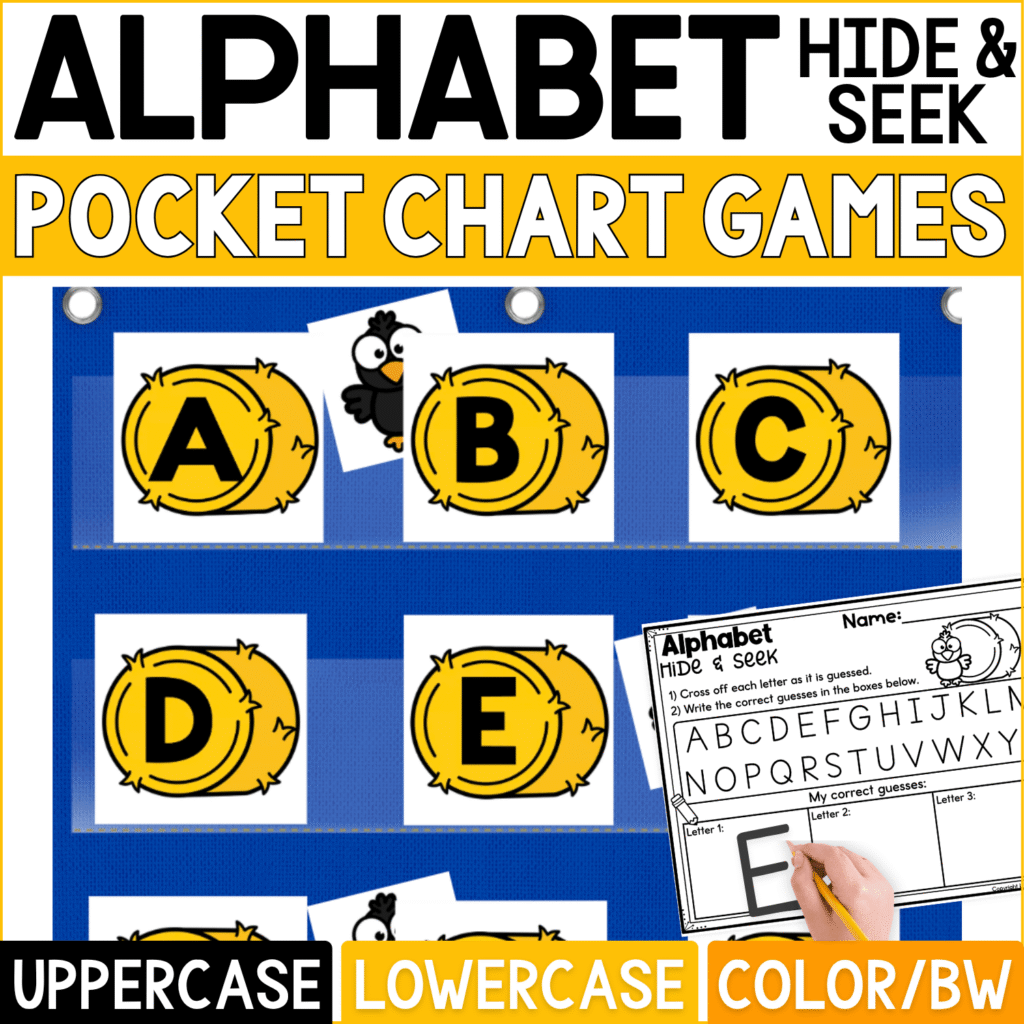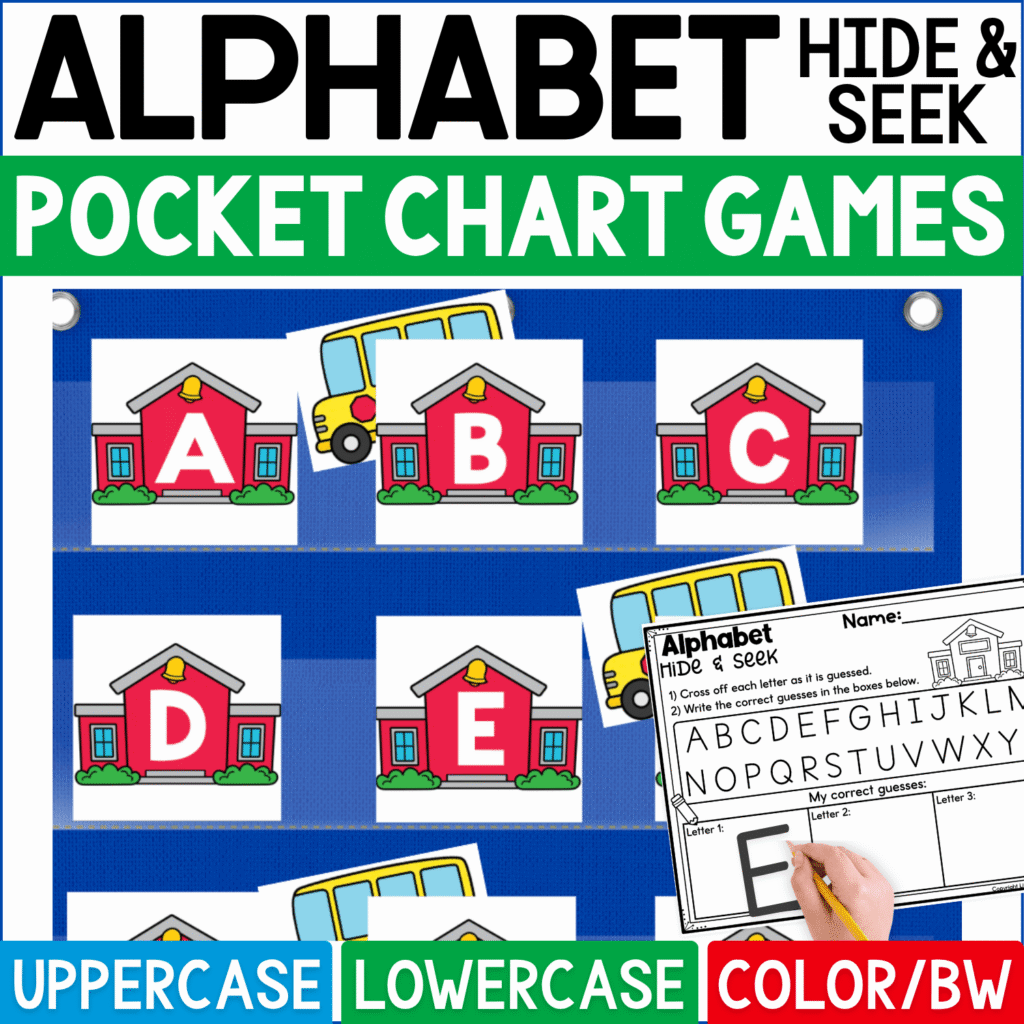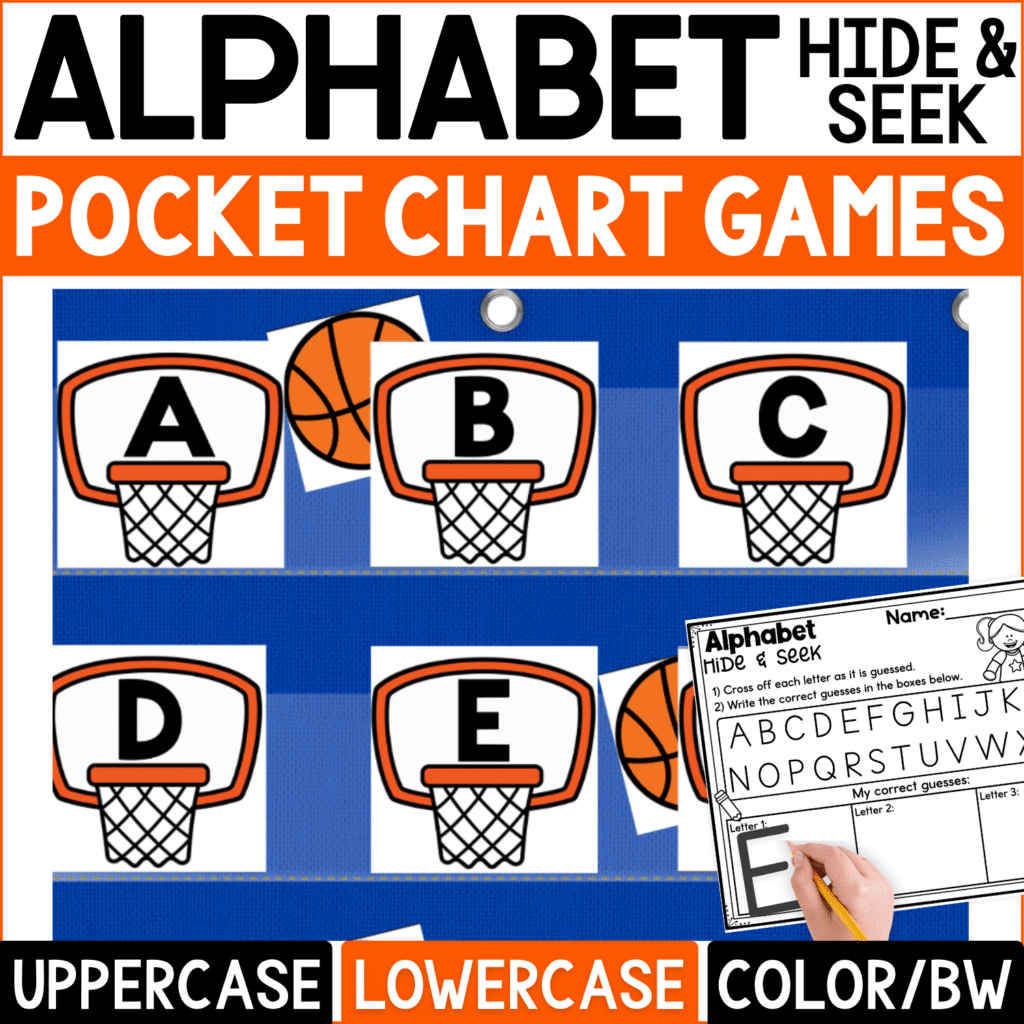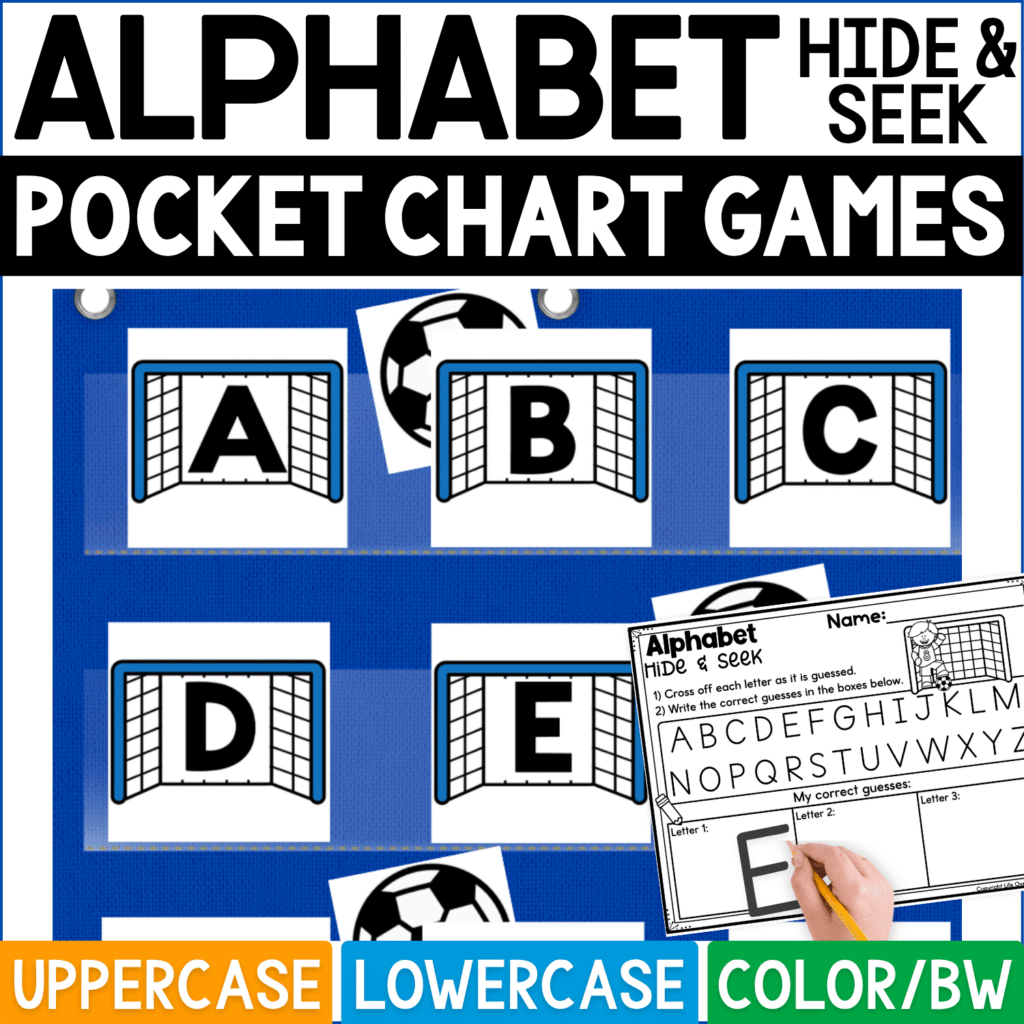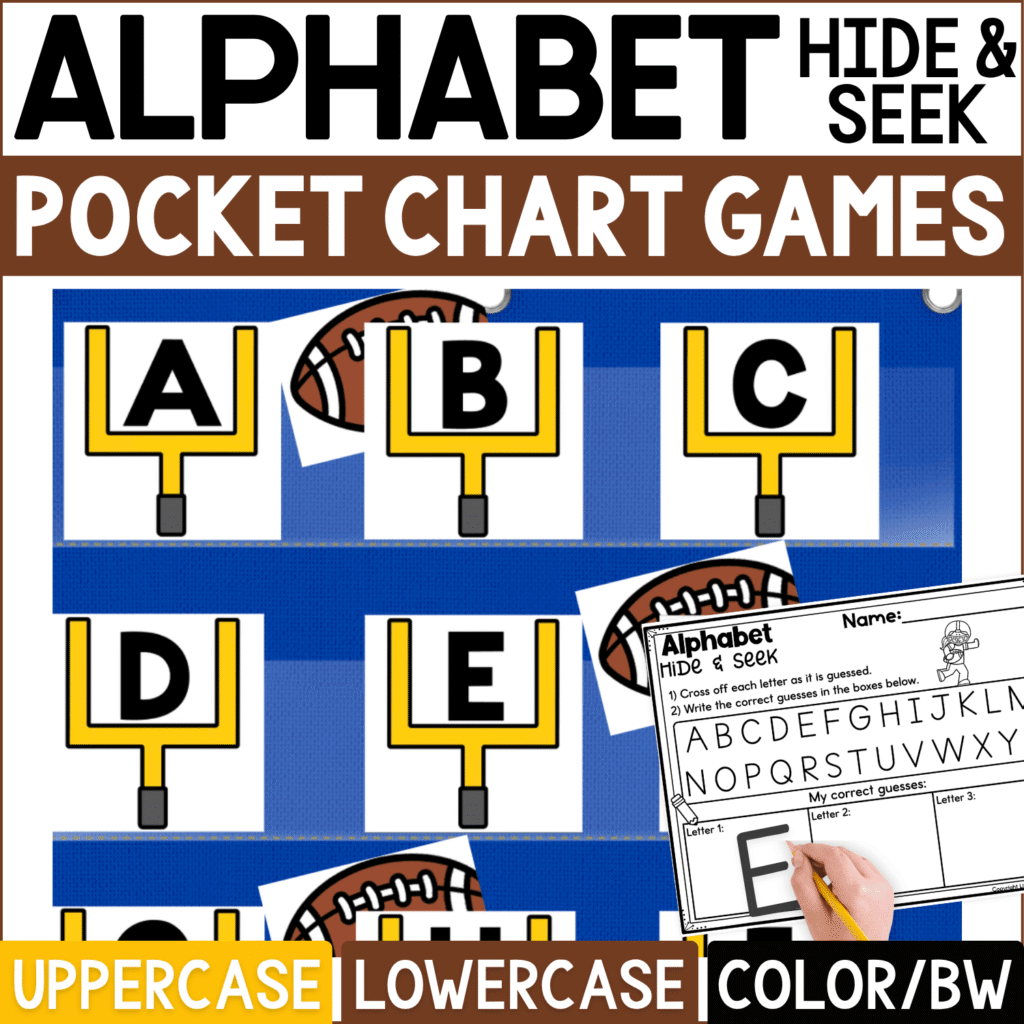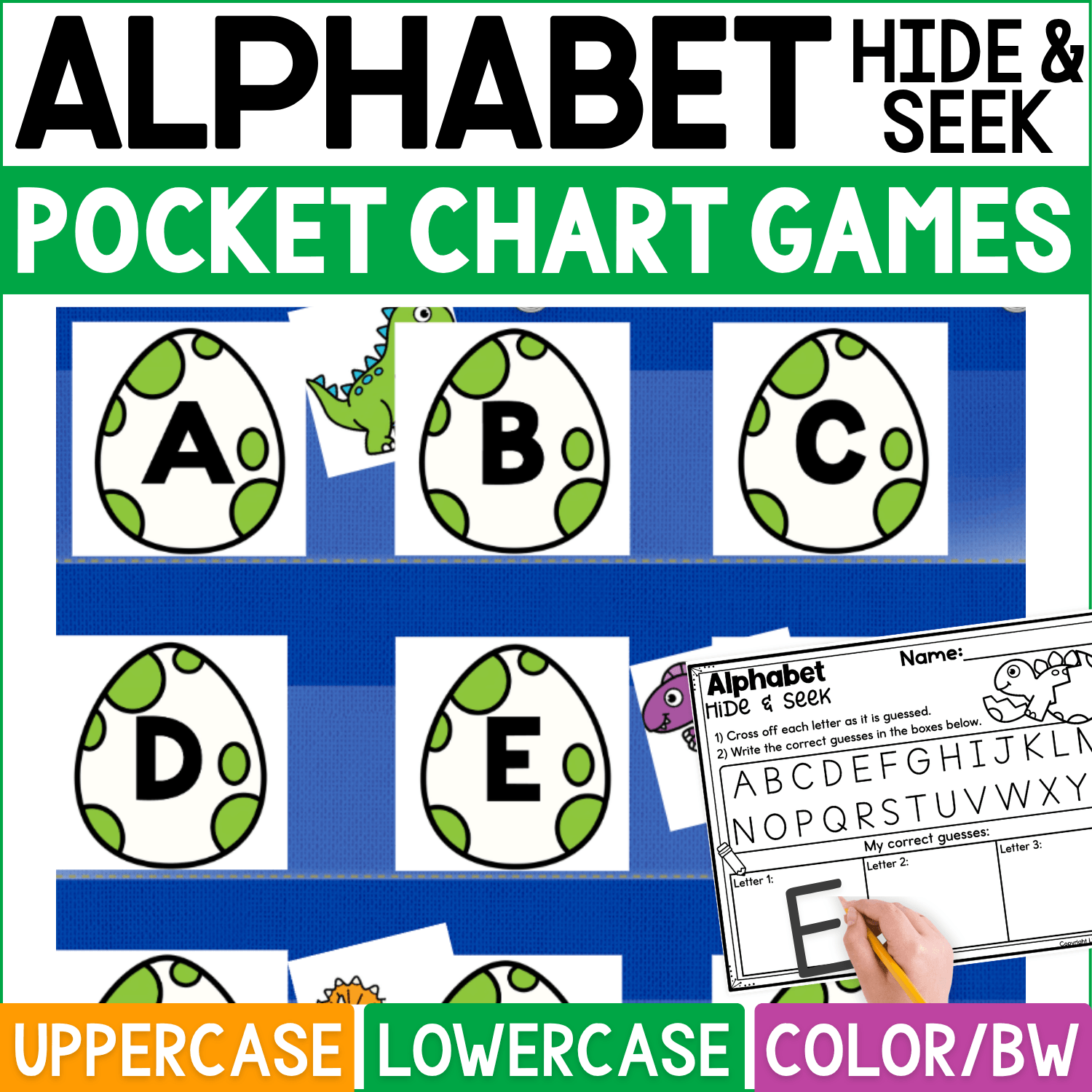
Alphabet Hide and Seek: Dinosaur
Recommended Grade Level:
Type of Resource: PDF
Number of Pages: 28

You must be an Annual or Forever Member to Access this Resource.
Join the Life Over C’s Club to Access

Already a member? Login below:
Coordinating Resources:


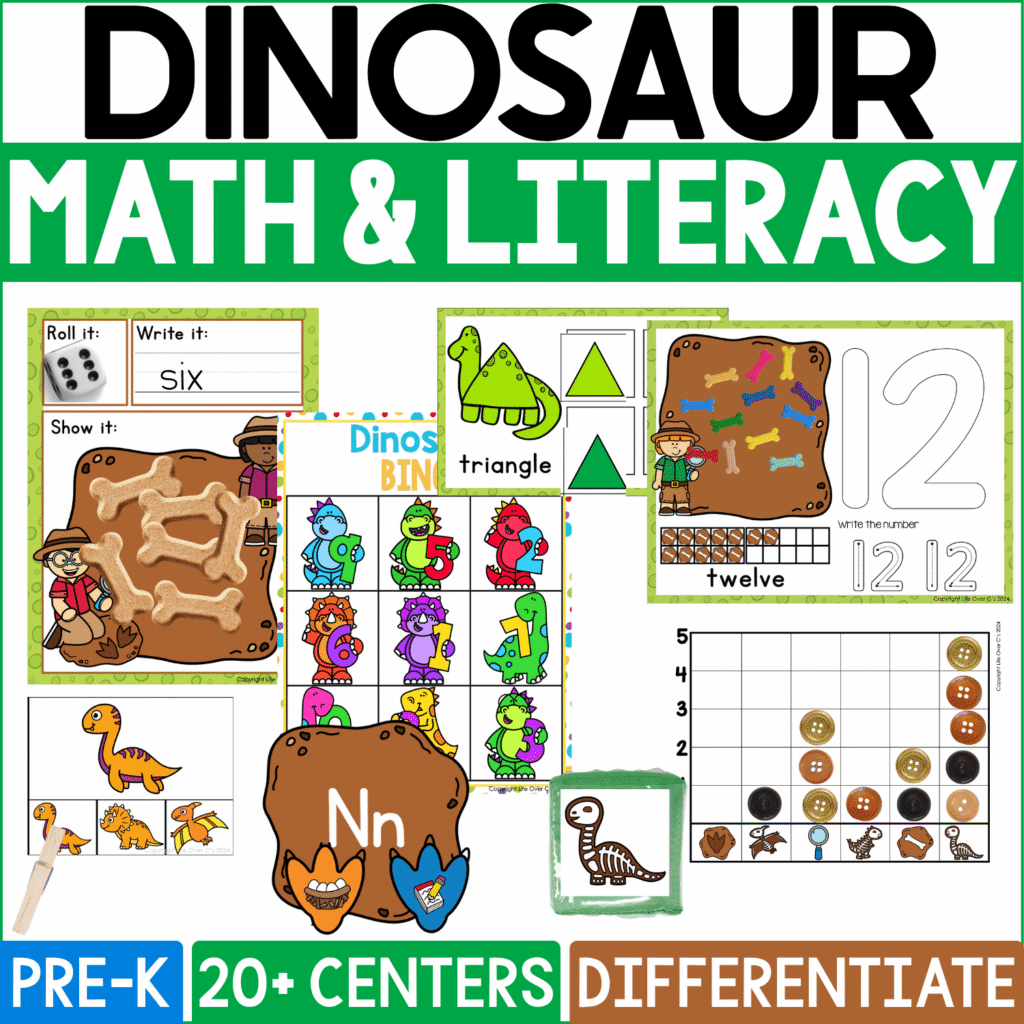

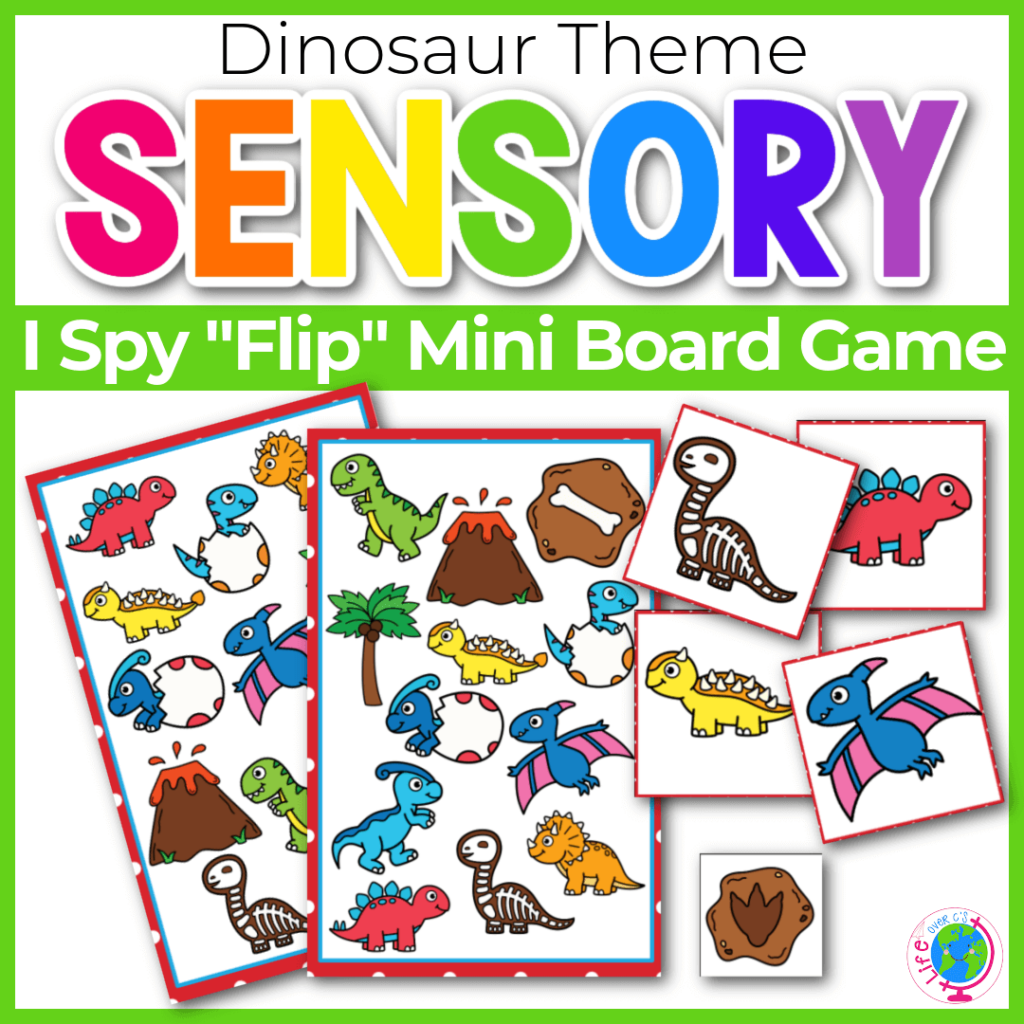

Dinosaur Alphabet Hide and Seek
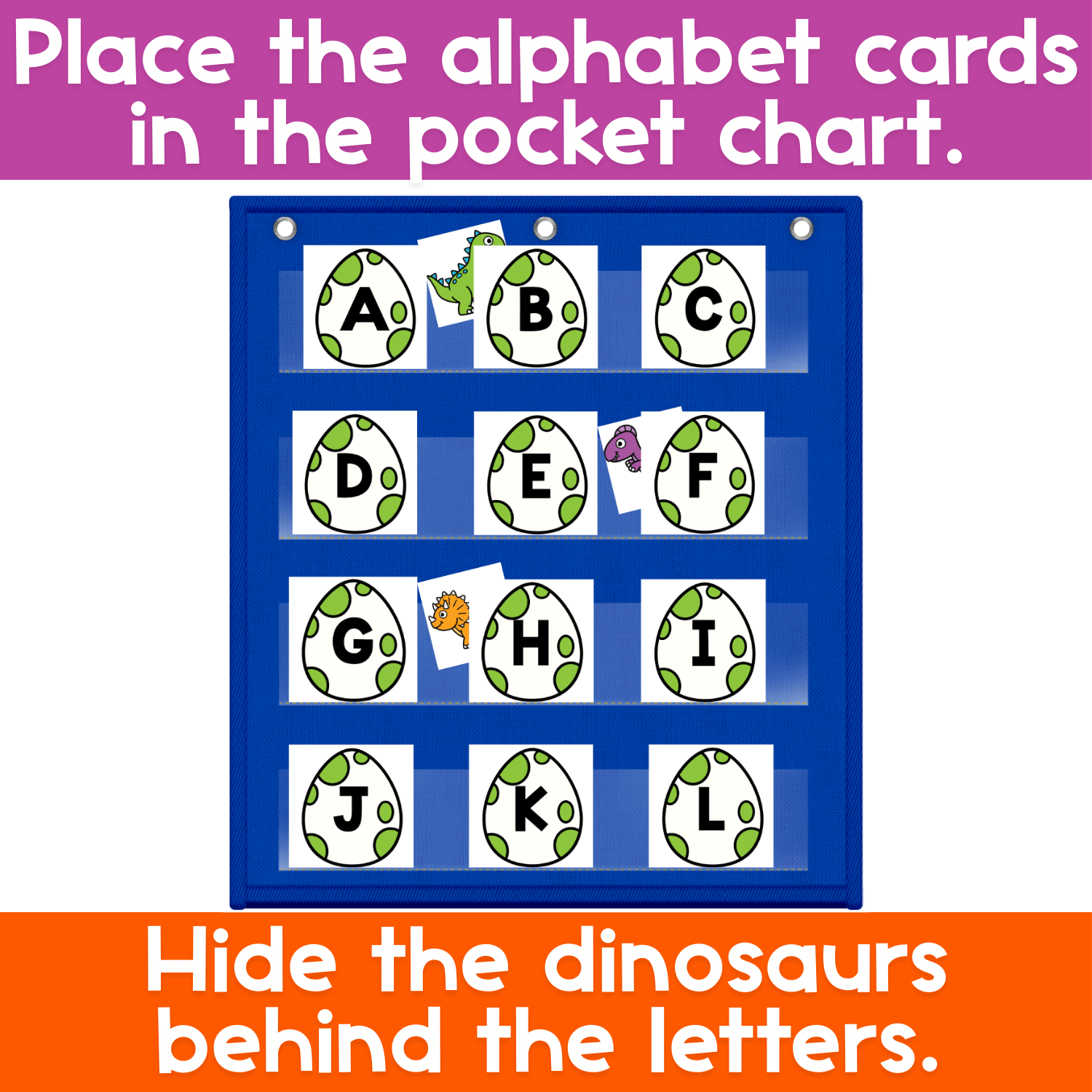
- 26 uppercase letter cards on dinosaur eggs in color and black and white
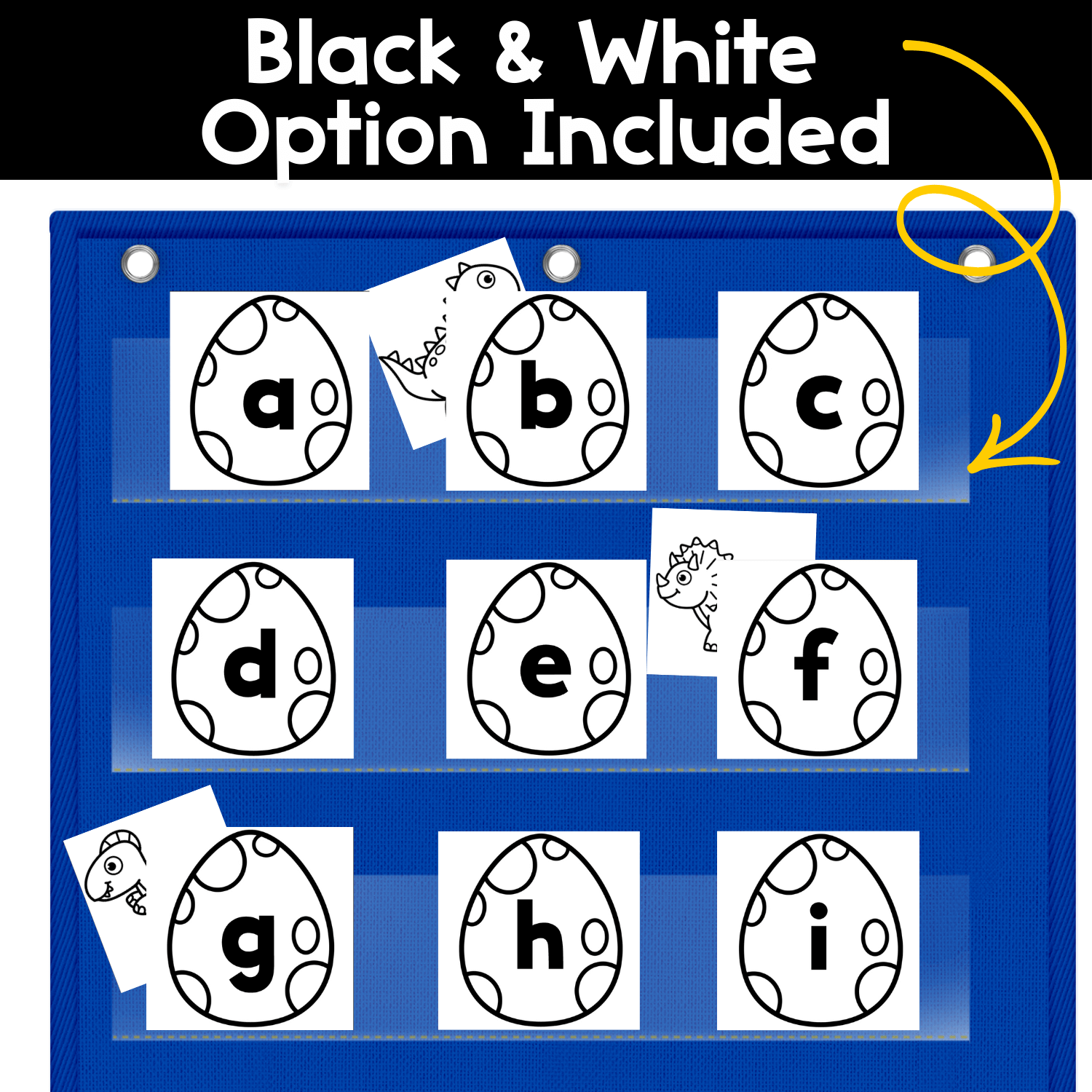
- 26 lowercase letter cards on dinosaur eggs in color and black and white
- 8 dinosaurs hiding cards in color and black and white
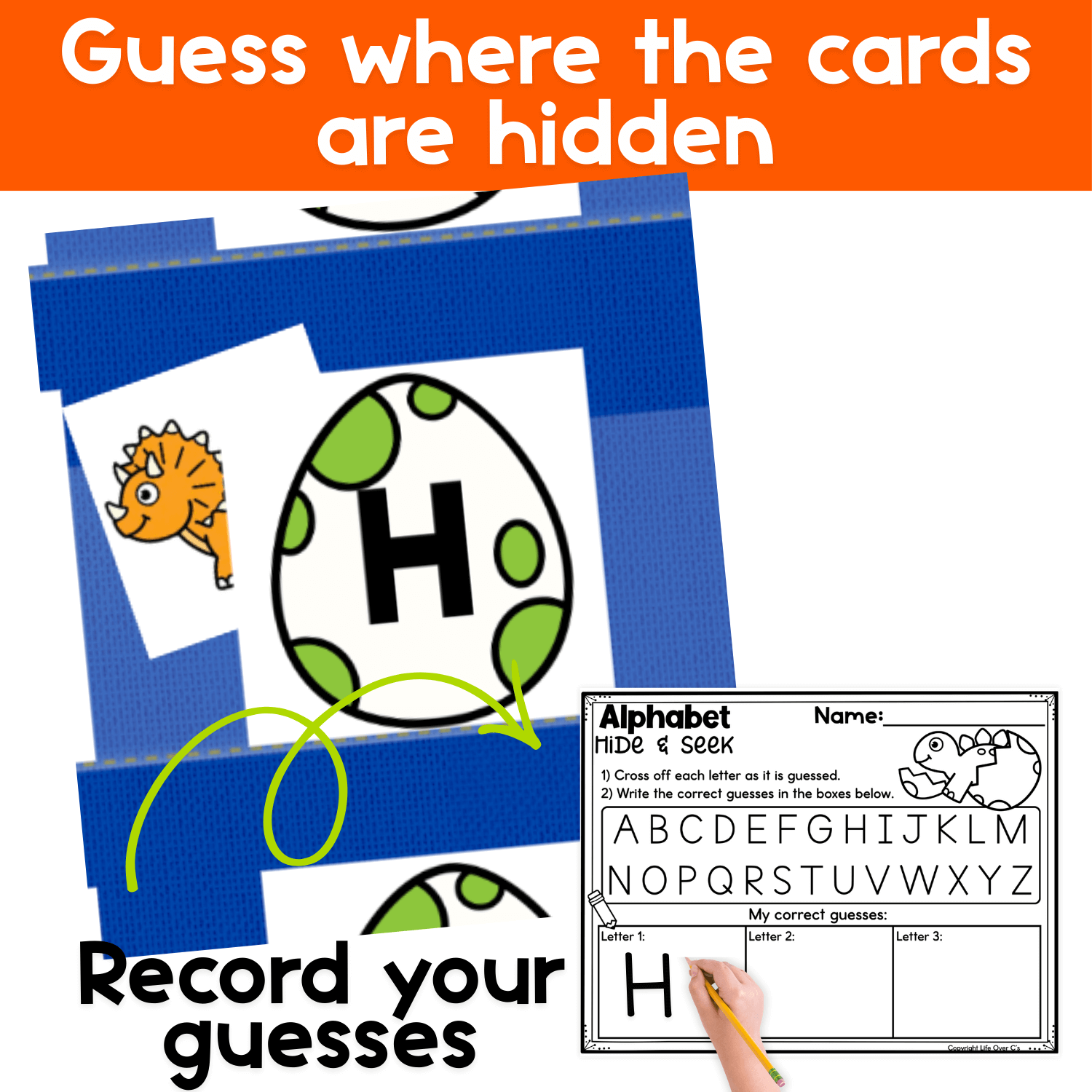
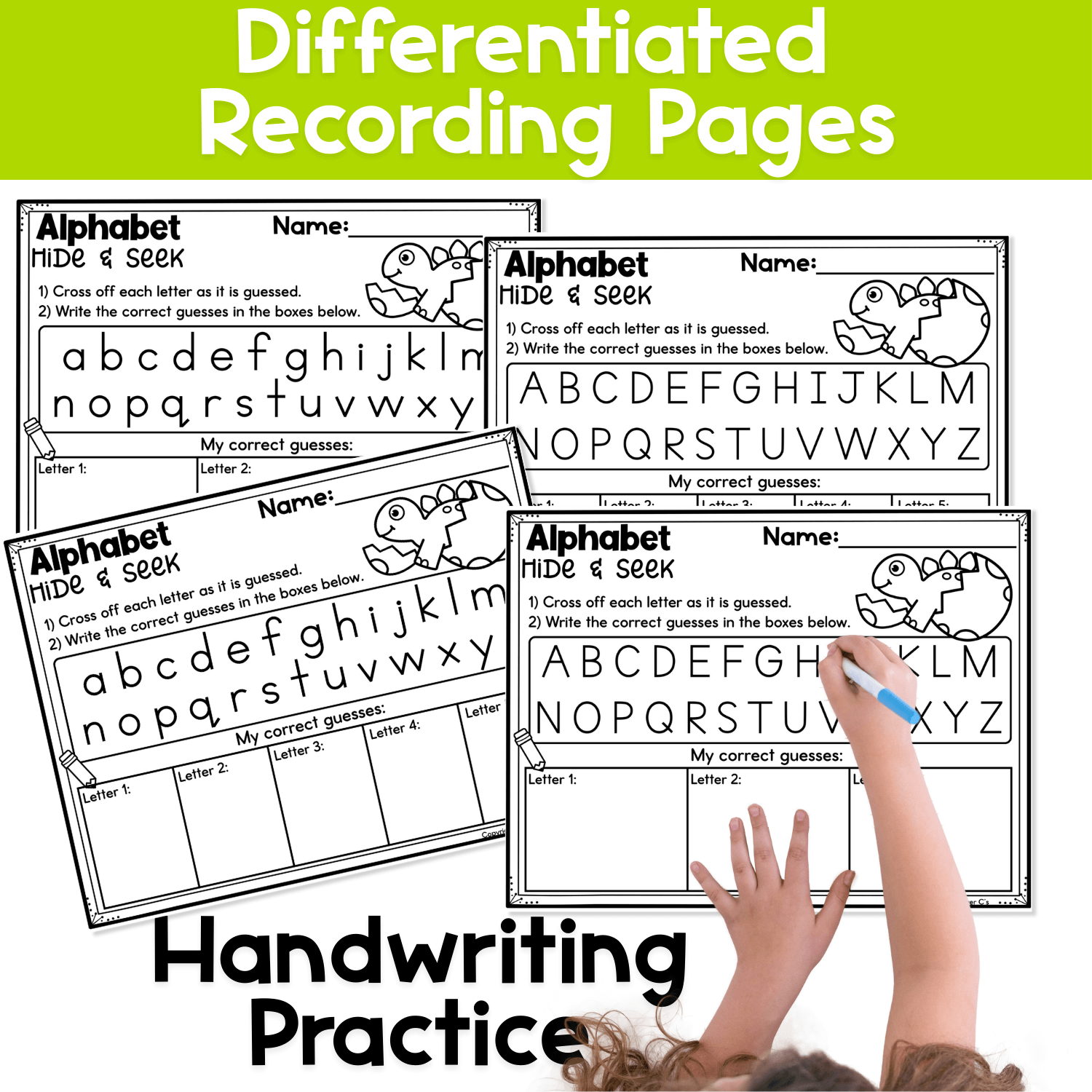
- 4 recording sheets (2 uppercase and 2 lowercase) to cross off guessed letters and write correct guesses
- Instruction pages
Kids name a letter each time they guess where the dinosaurs are hiding, so every turn is a chance to practice letter recognition.
Required Materials:
- Paper, printer and ink
- Pocket chart (or a table)
- Laminator
- Paper cutter or scissors
- Pencils for the recording sheets
Standards for Letter Recognition
This dinosaur alphabet game supports early literacy standards connected to naming uppercase and lowercase letters, writing letters and taking turns in a group.
Common Core State Standards: English Language Arts
- CCSS.ELA-LITERACY.RF.K.1.D: Recognize and name all upper- and lowercase letters of the alphabet. Kids name a letter with every guess.
- CCSS.ELA-LITERACY.L.K.1.A: Print many upper- and lowercase letters. Kids write their correct guesses on the recording sheet.
Texas Prekindergarten Guidelines and TEKS for English Language Arts and Reading
- PK4.III.C.1: Child recognizes and names at least 20 letters. Kids name each letter before they check behind the card.
- TEKS ELA K.2(D)(v): Demonstrate print awareness by identifying all uppercase and lowercase letters. Kids play with uppercase cards, lowercase cards or both.
- TEKS ELA K.1(D): Work collaboratively with others by following agreed-upon rules for discussion, including taking turns. Kids take turns guessing and checking.
Virginia English Standards of Learning
- K.FFR.3.A: Identify capital and lowercase letters of the alphabet. Kids name the letter on each card they pick.
- K.FFW.1.B: Print capital and lowercase letters of the alphabet. Kids write the letters they found on the recording sheet.
- K.C.1.A.i: Listen actively and follow agreed-upon rules for participating in discussions. Kids listen to each guess and wait for their turn.
Dinosaur Alphabet Hide and Seek is a pocket chart guessing game that gives preschool and kindergarten kids hands-on practice naming uppercase and lowercase letters as they search for the hiding dinosaurs.
The letters sit on dinosaur eggs and the baby dinosaurs are hiding. Kids name a letter to see if a dinosaur is behind that egg.
Place the letter cards in a pocket chart and secretly tuck the dinosaurs behind a few of the dinosaur eggs. Kids take turns naming a letter, like “Is it behind the B?”, then lift the card to check.
Use the uppercase cards, the lowercase cards or a mix. Start with a few letters kids already know and add more as they grow. The recording sheets let kids cross off each letter that has been guessed and write the letters where they found a hiding card.
How to Play Dinosaur Alphabet Hide and Seek
- Place the letter cards you want to practice in a pocket chart. If you don’t have one, lay them face up on a table.
- While the children close their eyes, hide the dinosaurs behind some of the cards.
- Kids take turns naming a letter and checking behind it until all the dinosaurs are found. Then hide them again and play another round!
Circle Time: The whole group takes turns guessing. Count how many guesses it takes to find all the dinosaurs.
Literacy Center: Partners take turns hiding and guessing and record their guesses on the recording sheet.
Easy Ways to Differentiate This Alphabet Hide and Seek Game
Some kids are still learning letter names, some know them but need practice with sounds and some are ready for clues. In this dinosaur game, kids guess which egg is hiding a baby dinosaur, and you choose how many eggs to use.
For Children Who Need More Support:
- Start with three eggs and hide one dinosaur. A small game keeps the first round easy.
- Begin with the eggs that show letters in the child’s name. Kids learn the letters that matter most to them first.
- Have kids repeat each letter name after you. Repeating builds correct names.
- Let kids stomp like a dinosaur before each guess. A fun routine helps kids wait.
For On-Level Practice:
- Use all the eggs and hide all eight dinosaurs. A full chart keeps kids naming letters.
- Have kids say the letter name and sound with each guess. Sounds build phonics.
- Have kids cross off guesses and write the letters that hid a dinosaur on the recording page. Recording adds writing.
- Have kids say crack when they lift each egg card. A sound effect keeps kids engaged.
For an Extra Challenge:
- Mix uppercase and lowercase eggs. Kids practice both forms.
- Give clues about letter order, like the dinosaur is behind the letter after R. Order clues build alphabet knowledge.
- Have kids name a dinosaur word for each found letter, like t for tail. Theme words build vocabulary.
- Have kids count the syllables in a dinosaur name for each find. Clapping syllables builds phonological awareness.
For Speech, OT, ELL or Special Education Support:
- For speech practice, use the d sound in dinosaur and dig during the game. Theme words give focused practice.
- For OT practice, have kids dig a toy dinosaur out of play dough after each find. Digging builds finger strength.
- For ELL support, teach egg, dinosaur, hatch and hide before playing. Theme words help kids join.
- For special education support, use a first-then card: first one guess, then a dinosaur stomp break. A visual card makes the routine clear.
Dinosaur Alphabet Hide and Seek Is Perfect For:
- Preschool and pre-K
- Kindergarten
- Dinosaur themes
- Circle time
- Literacy centers
- Pocket chart centers
- Letter of the week
- Small-group instruction
- Special education
- ELL and multilingual learners
- Homeschool
You must be an Annual or Forever Member to Access this Resource.
Join the Life Over C’s Club to Access
Already a member? Login below: