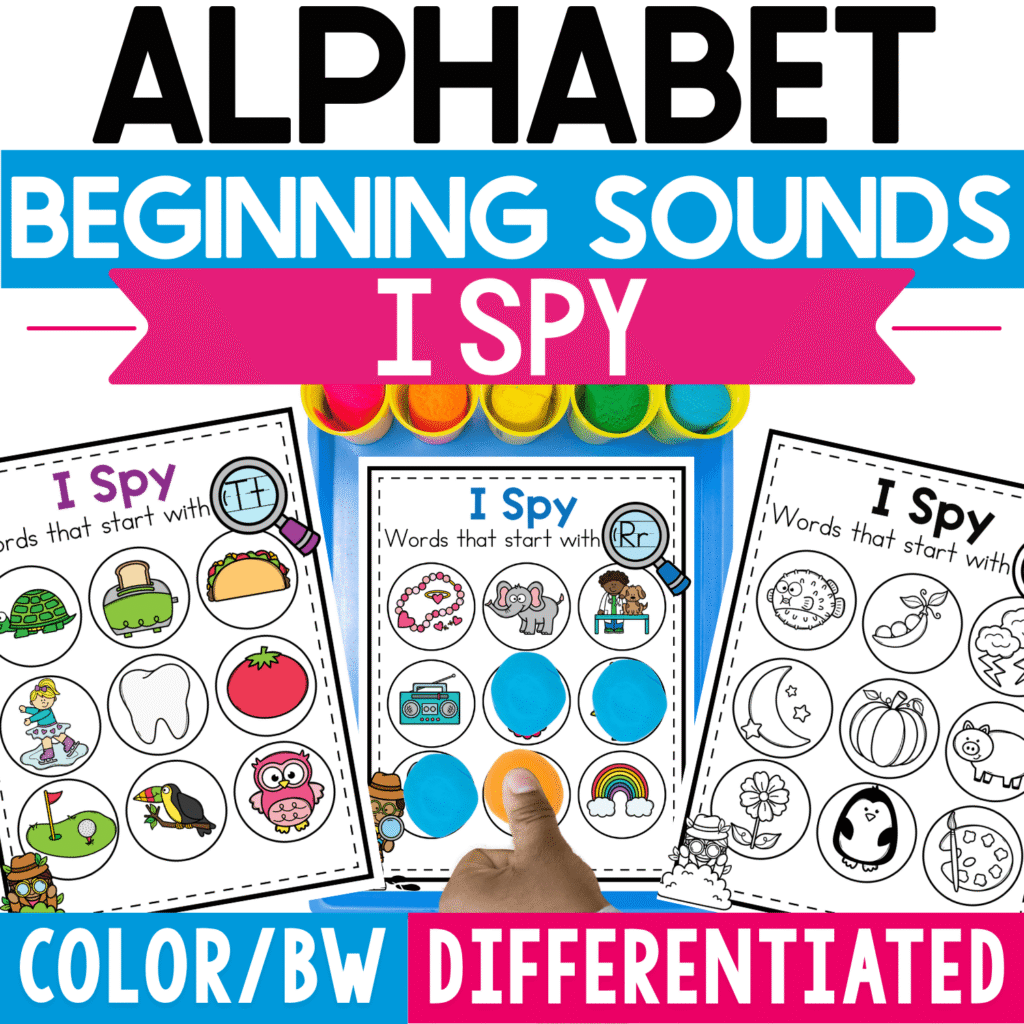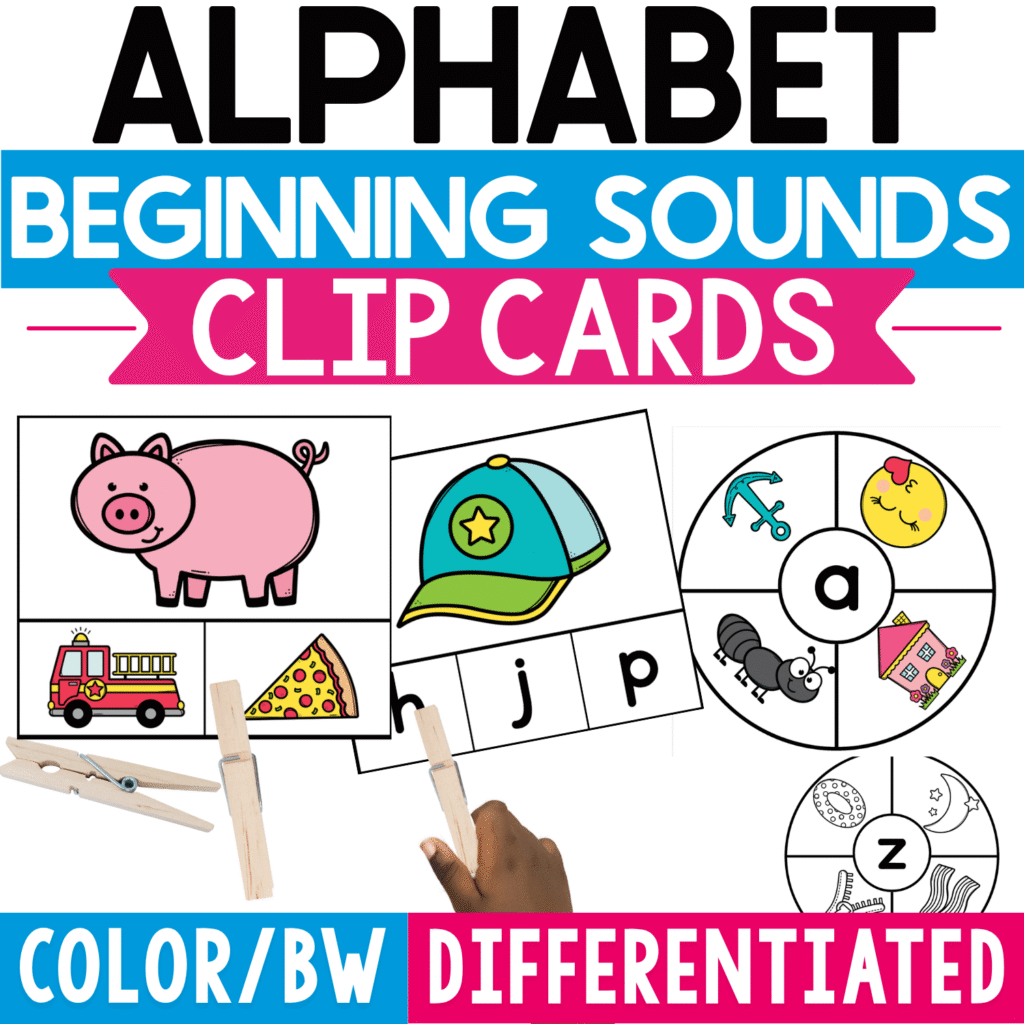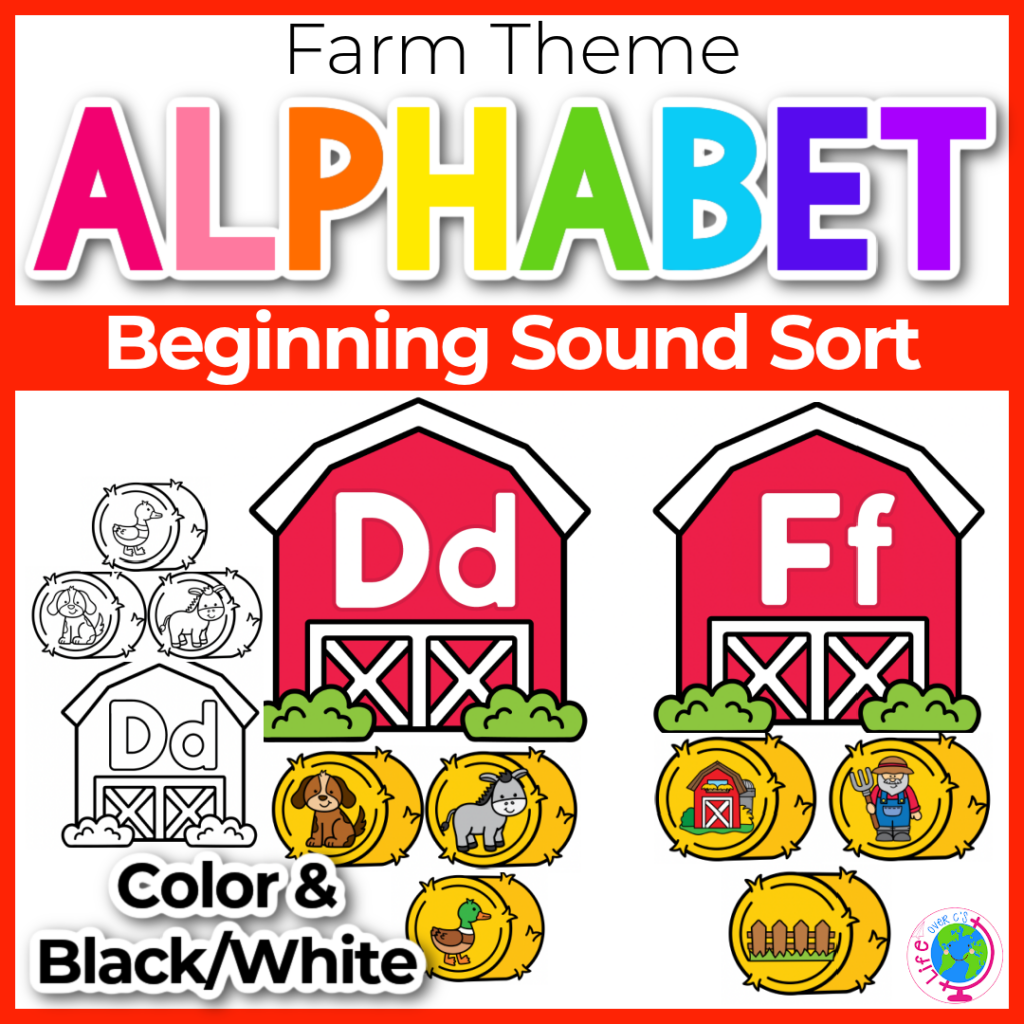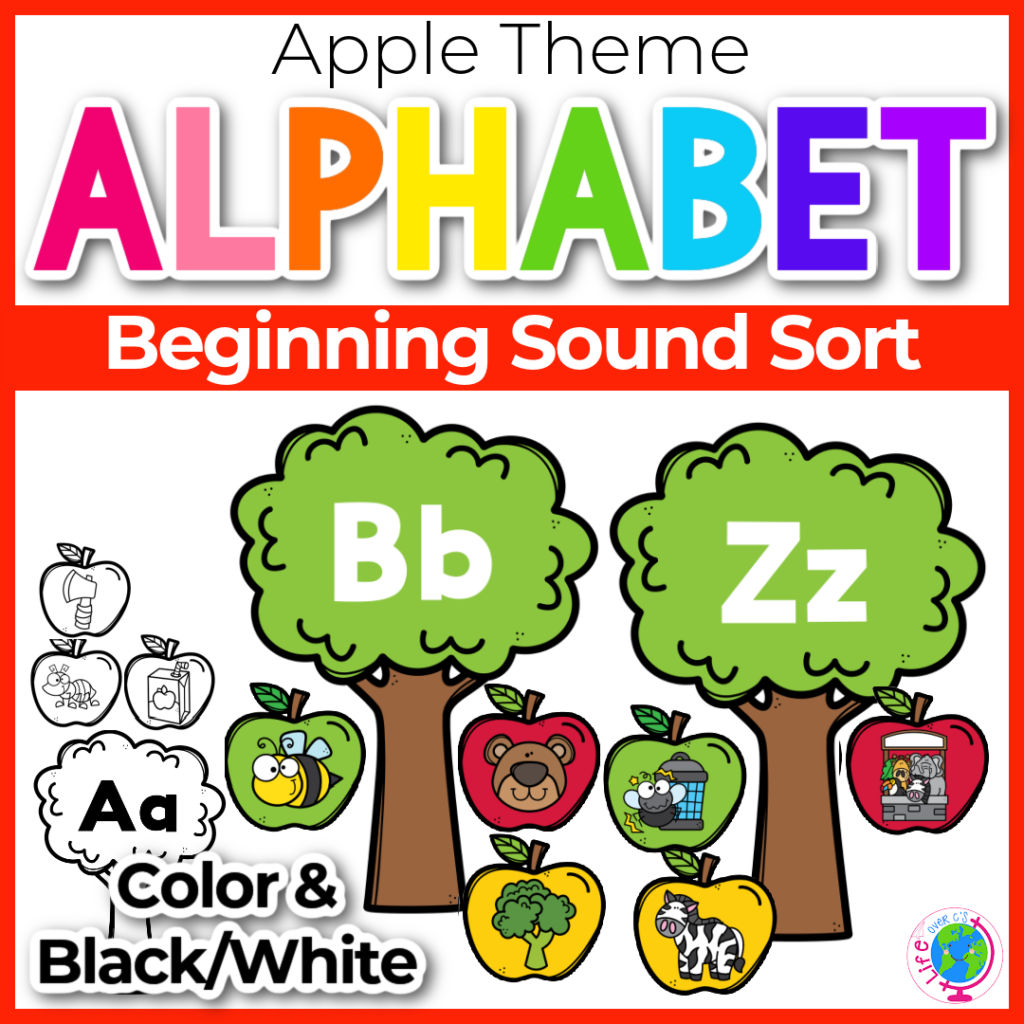
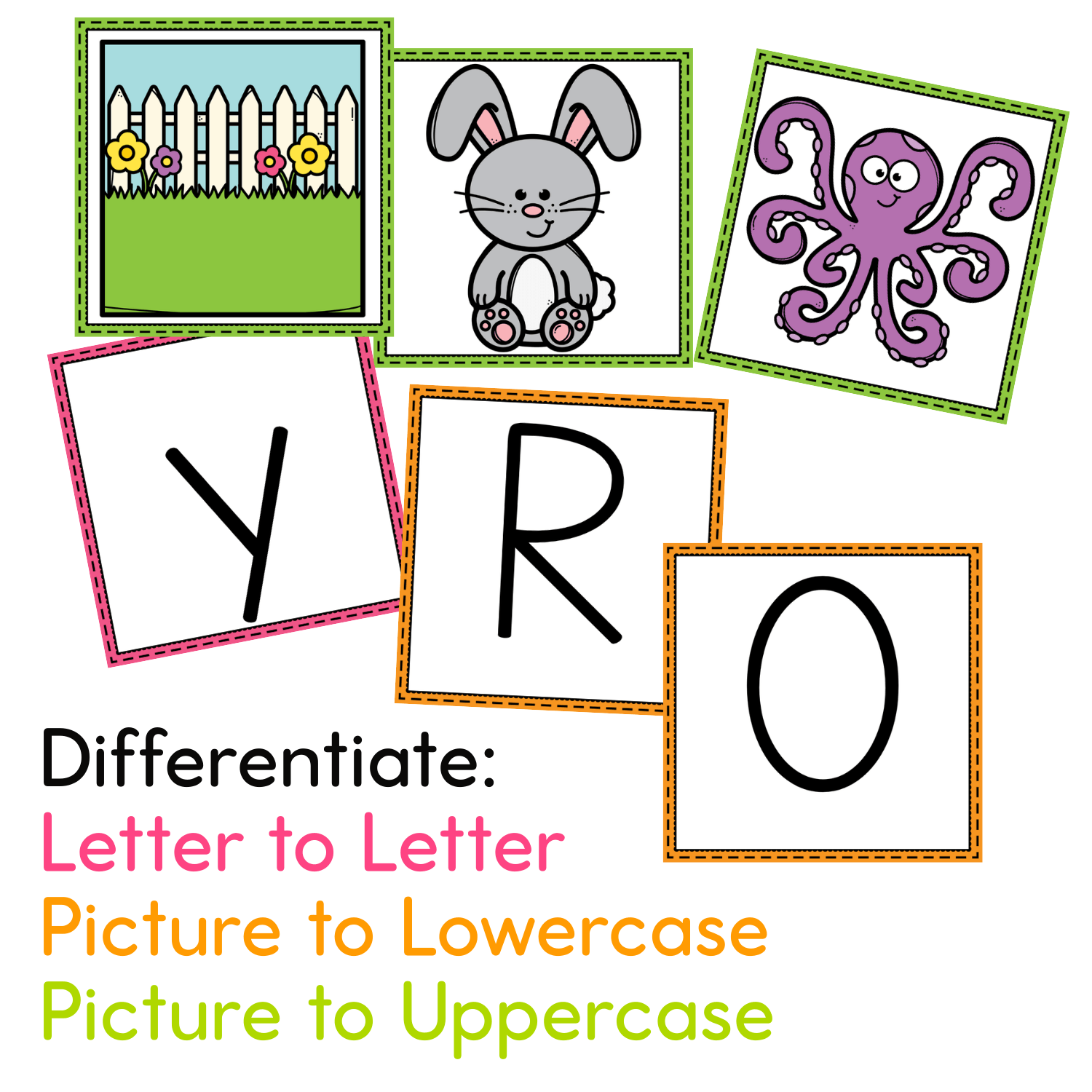
Beginning Sounds Center Activities: Matching Games
Recommended Grade Level:
Type of Resource: PDF
Number of Pages: 28

You must be an Annual or Forever Member to Access this Resource.
Join the Life Over C’s Club to Access

Already a member? Login below:
Coordinating Activities


What’s Included in the Beginning Sounds Center Activities: Clip Cards
A flexible literacy game gives you more ways to support different learners without needing a brand-new activity every time.
This Beginning Sounds Matching Game set includes the pieces you need to target both phonemic awareness and alphabet knowledge in a simple, easy-to-use format.
Inside this resource, you’ll find:
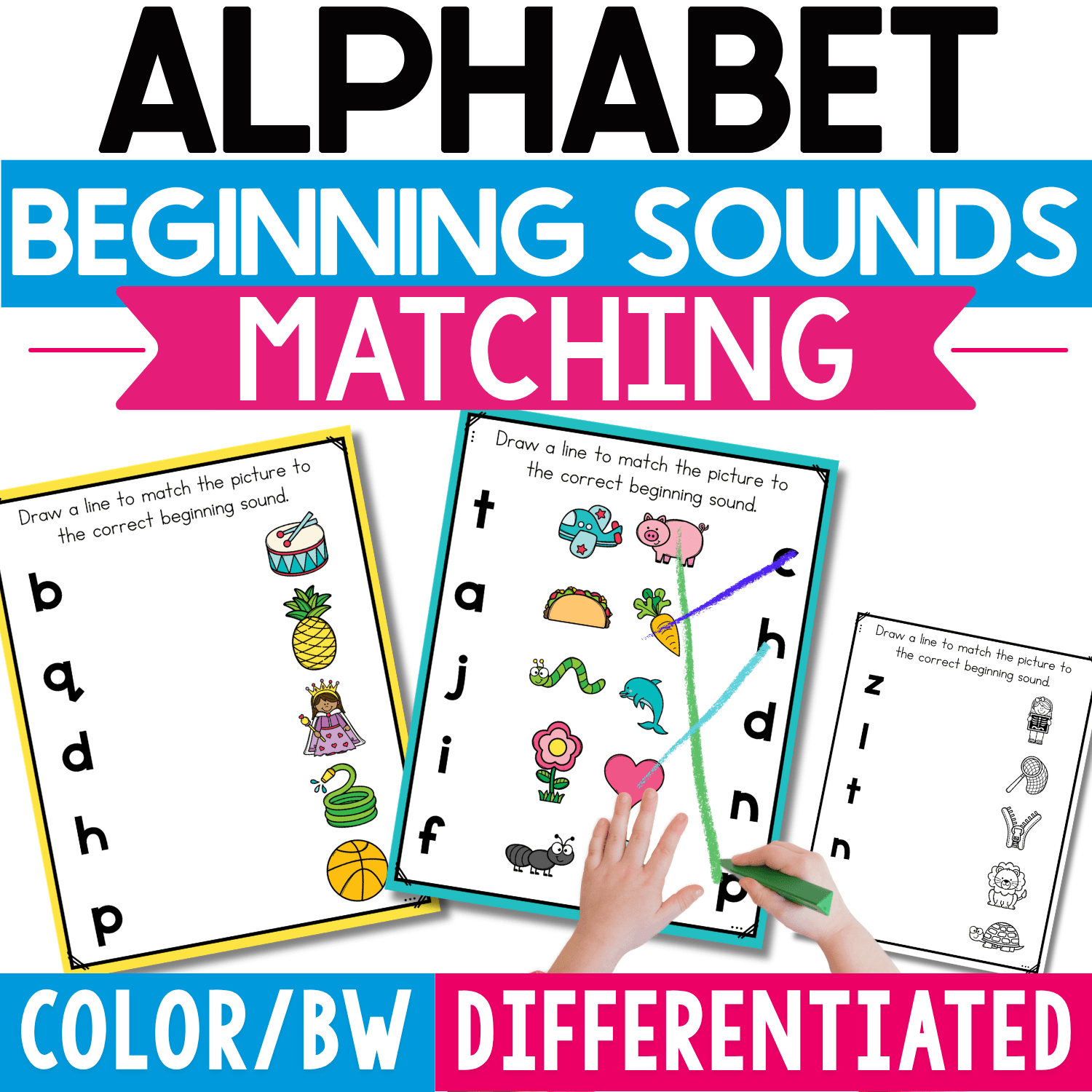
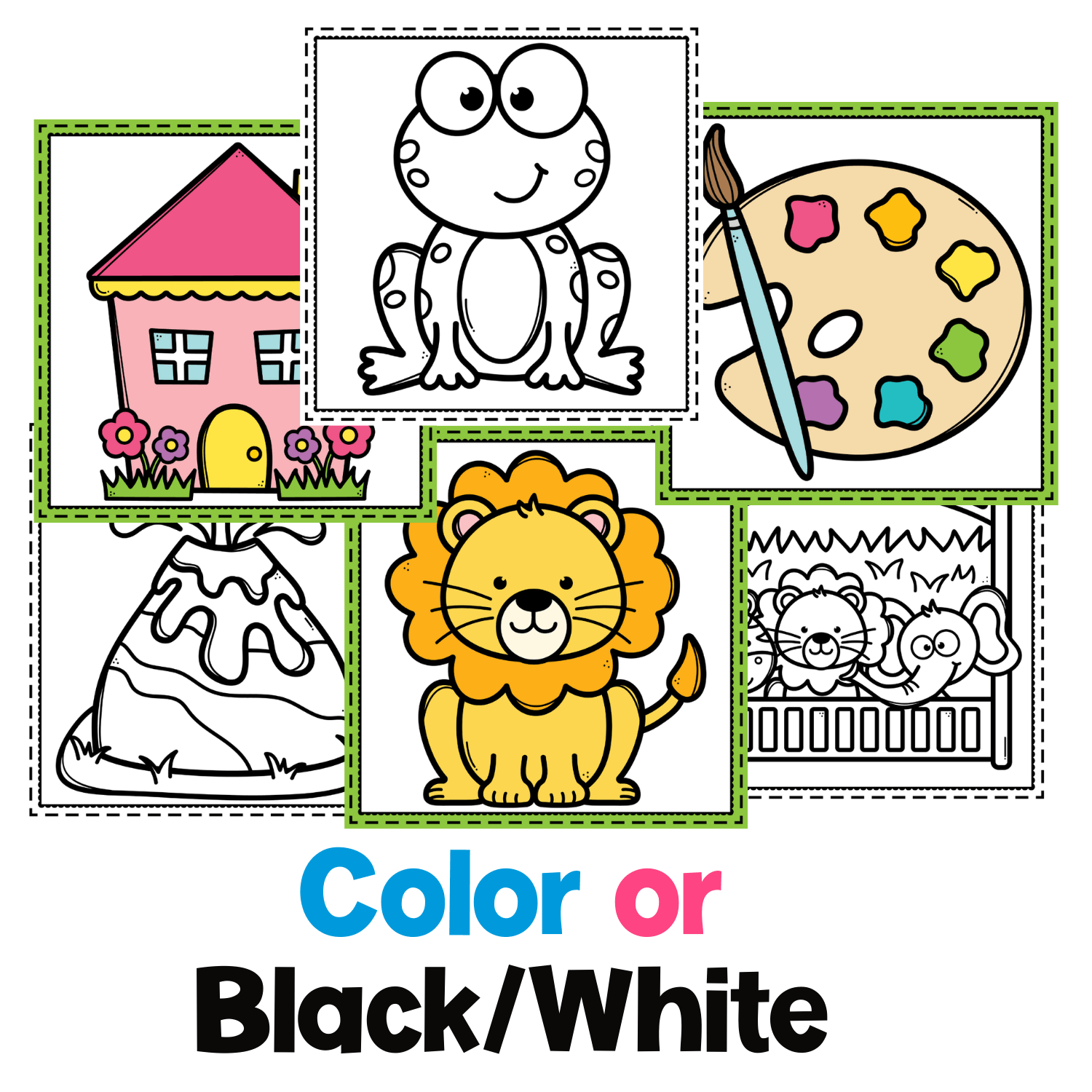
- Picture cards for matching shared beginning sounds
- Complete uppercase letter cards A–Z
- Complete lowercase letter cards a–z
- Full-color versions for bright classroom use
- Black-and-white versions for easy printing
- Clear teacher directions for multiple matching formats
Because the card types can be mixed and matched, the same beginning sounds activity can be used in several different ways across the year. That flexibility makes it easier to keep your literacy block fresh while still reinforcing the same essential skills.
Required Materials:
- Laminator
- Paper Cutter
- Paper, Printer, Ink
Standards Alignment
Early literacy standards place a strong focus on phonemic awareness and alphabet knowledge because those skills support later reading success. These Beginning Sounds Matching Games give children repeated, developmentally appropriate practice with both.
Common Core ELA
- RF.K.2.D: Isolate and pronounce the initial sound in spoken words
- RF.K.1.D: Recognize and name all uppercase and lowercase letters
Repeated engagement with beginning sounds, picture matching, and letter identification helps students build the confidence and familiarity they need with foundational reading skills.
A strong early literacy game should support more than one foundational skill.
These Beginning Sounds Matching Games help children build important reading readiness skills while staying engaged through active play.
Primary Literacy Skills
- Identifying beginning sounds
- Isolating initial sounds in spoken words
- Matching pictures by shared beginning sound
- Connecting pictures to uppercase letters
- Connecting pictures to lowercase letters
- Strengthening sound-letter correspondence
- Building phonemic awareness
- Strengthening alphabet recognition
Additional Support Skills
- Visual discrimination
- Working memory
- Sustained attention
- Turn-taking
- Social interaction
That layered skill practice makes these Beginning Sounds Matching Games a helpful addition to any early literacy toolkit.
Beginning Sounds Center Activities: Matching Games
Beginning Sounds Matching Games give preschoolers, pre-k students, and kindergarteners a hands-on way to practice beginning sounds, phonemic awareness, and letter recognition through active play.
Instead of simply naming letters or looking at picture cards, children flip, compare, listen, and match as they work with uppercase letters, lowercase letters, and picture cards that build strong early reading skills.
The game format keeps kids involved while giving them repeated practice with the foundational sound and letter skills they need most.
How to Use:
Clear structure allows students to focus on the literacy goal rather than the directions.
Begin by selecting your matching focus:
- Picture-to-picture beginning sounds matching
- Picture-to-uppercase letter matching
- Picture-to-lowercase letter matching
- Uppercase-to-lowercase letter matching
- Shuffle the cards and lay them face down in rows.
- Players flip two cards and say the words aloud.
- Students listen carefully for the shared beginning sound.
- Matching pairs stay with the player.
- Continue until all pairs are found.
You may choose competitive play or cooperative play depending on classroom goals.
Start with fewer card pairs for early learners. Increase the number of matches as students strengthen their beginning sounds recognition and confidence.
Simple structure paired with focused sound practice makes implementation smooth and repeatable.
Where to Implement:
A flexible beginning sounds activity can fit into many parts of the school day, which makes it even more useful. These Beginning Sounds Matching Games work well in a range of early childhood settings where students need repeated, structured phonics practice.
- Literacy centers
- Small group phonics instruction
- Speech therapy sessions
- Intervention groups
- Homeschool literacy lessons
- Task boxes
- Independent partner play
- Beginning reading review
Because the routine stays consistent, children can focus on beginning sounds, uppercase letters, and lowercase letters instead of relearning how the game works each time.