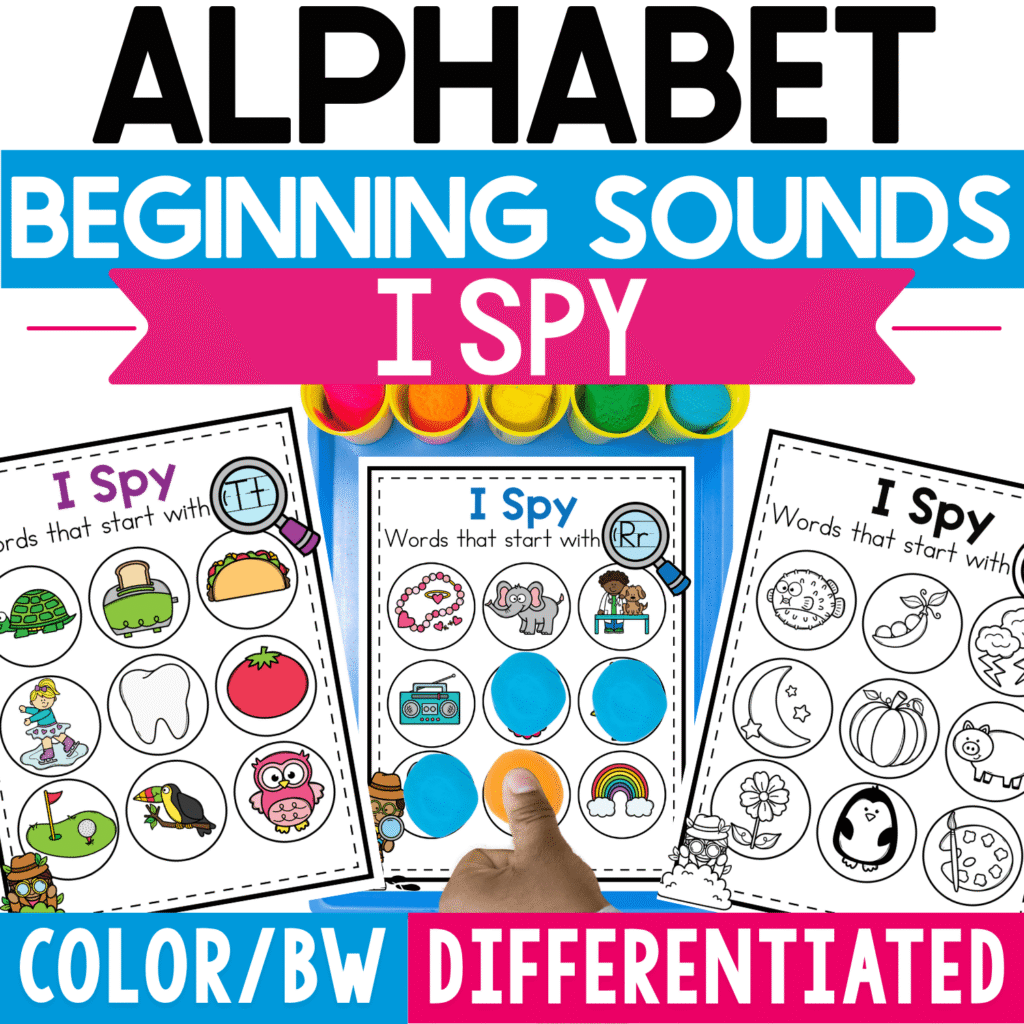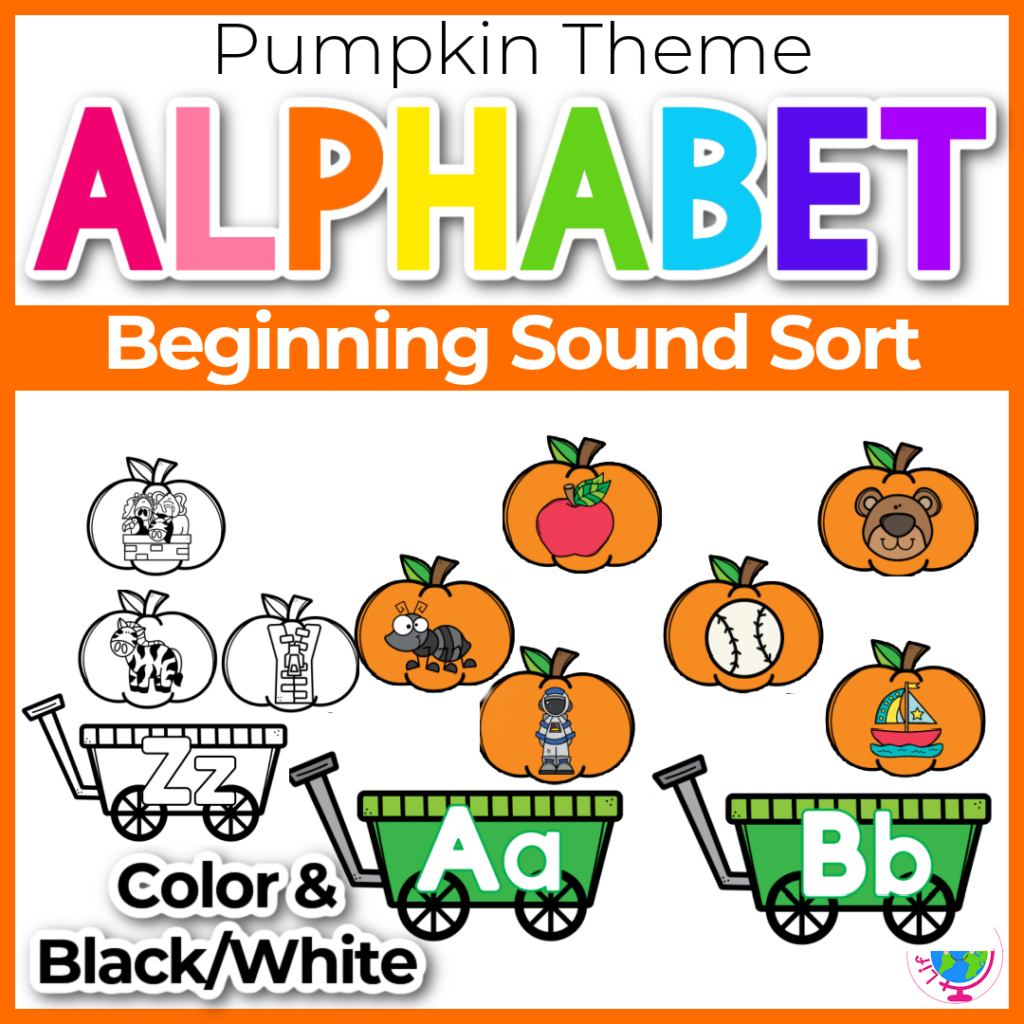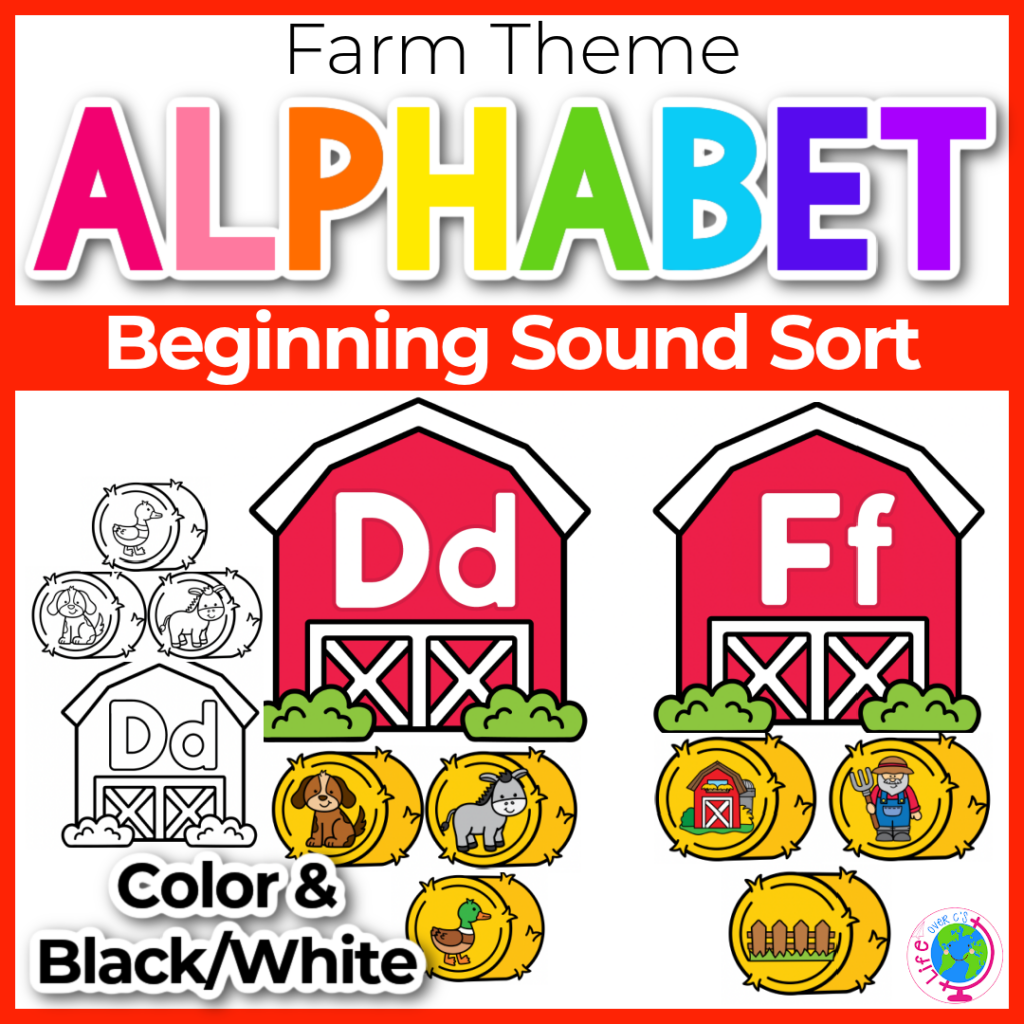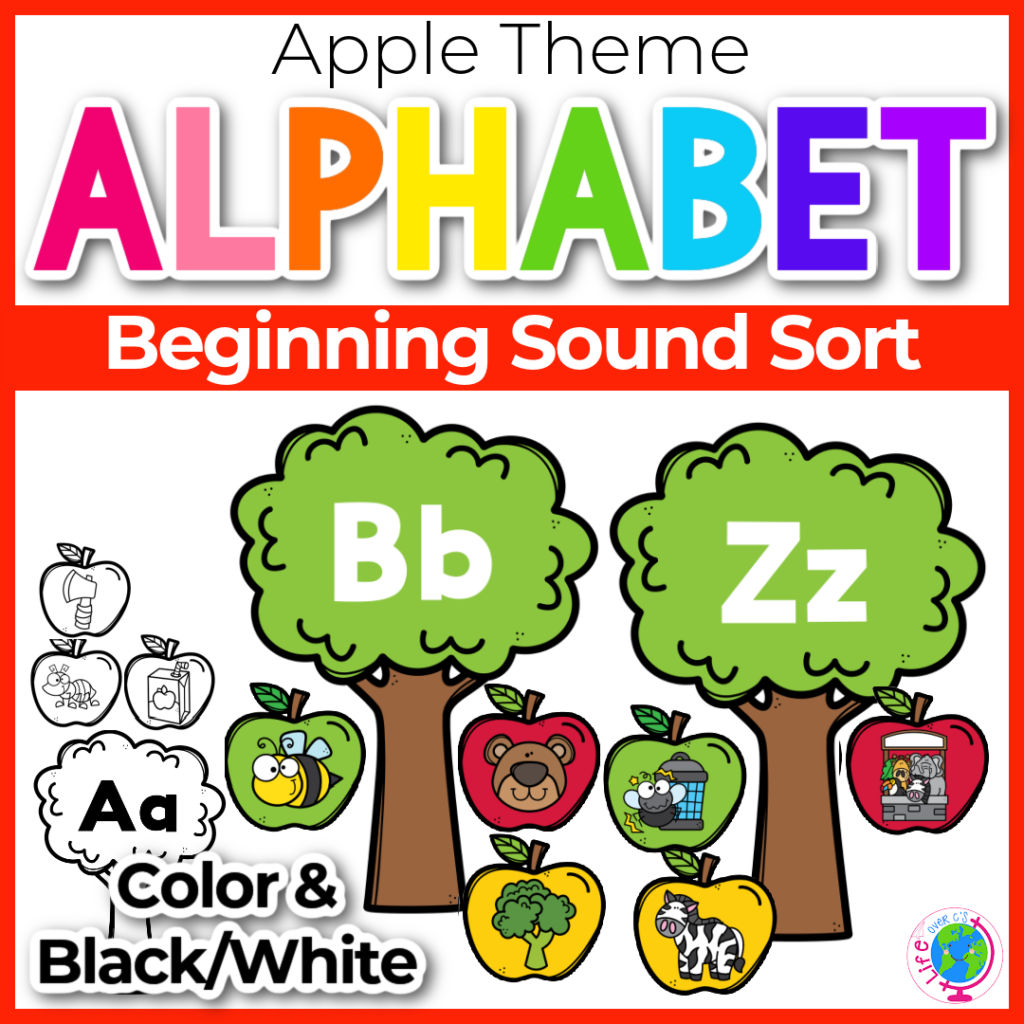
beginning sounds Center Activities: Clip Cards
Recommended Grade Level:
Type of Resource: PDF
Number of Pages: 28
You must be an Annual or Forever Member to Access this Resource.
Join the Life Over C’s Club to Access
Already a member? Login below:
Coordinating Activities


What’s Included in the Beginning Sounds Center Activities: Clip Cards
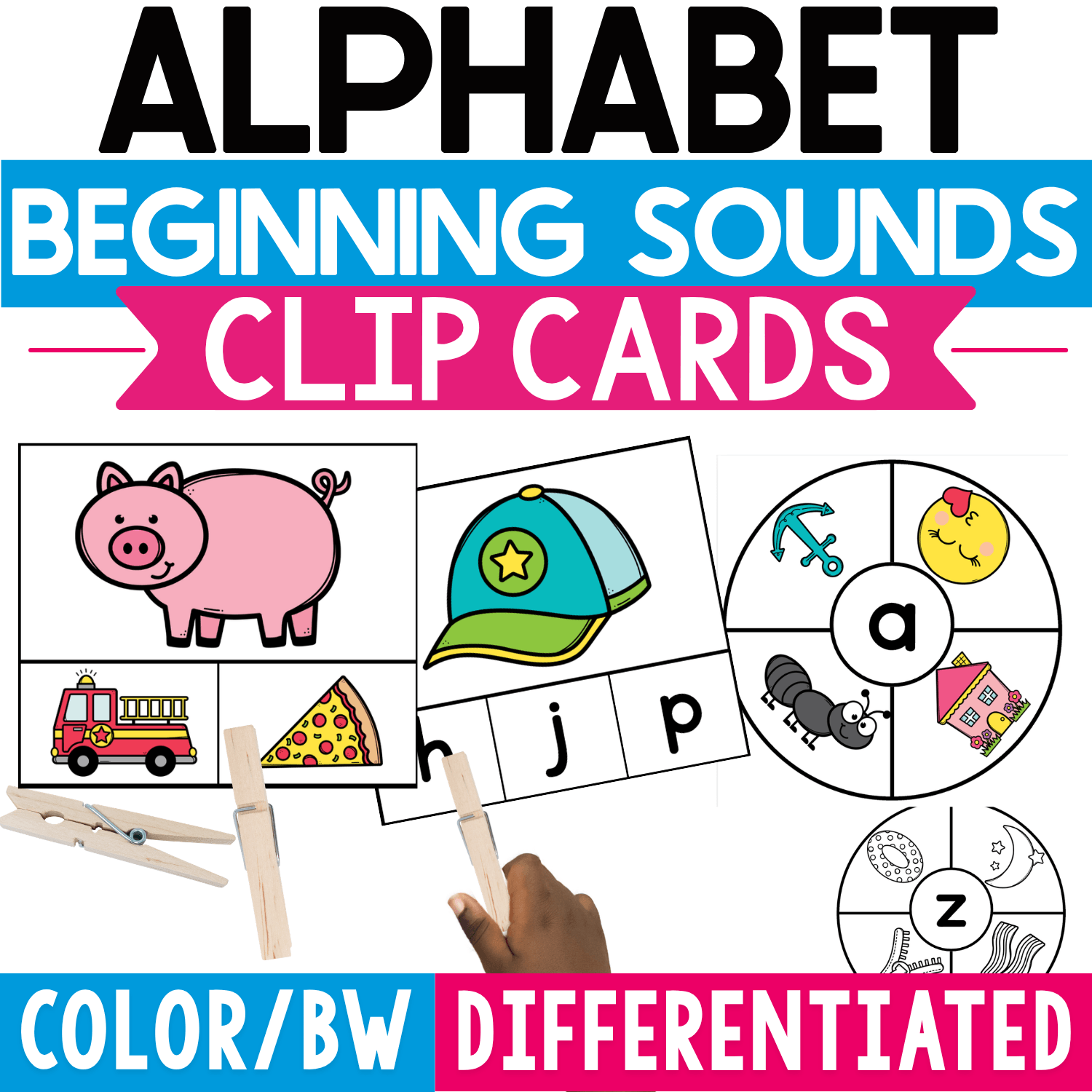
This beginning sounds literacy activity includes materials that are straightforward and easy to prep:
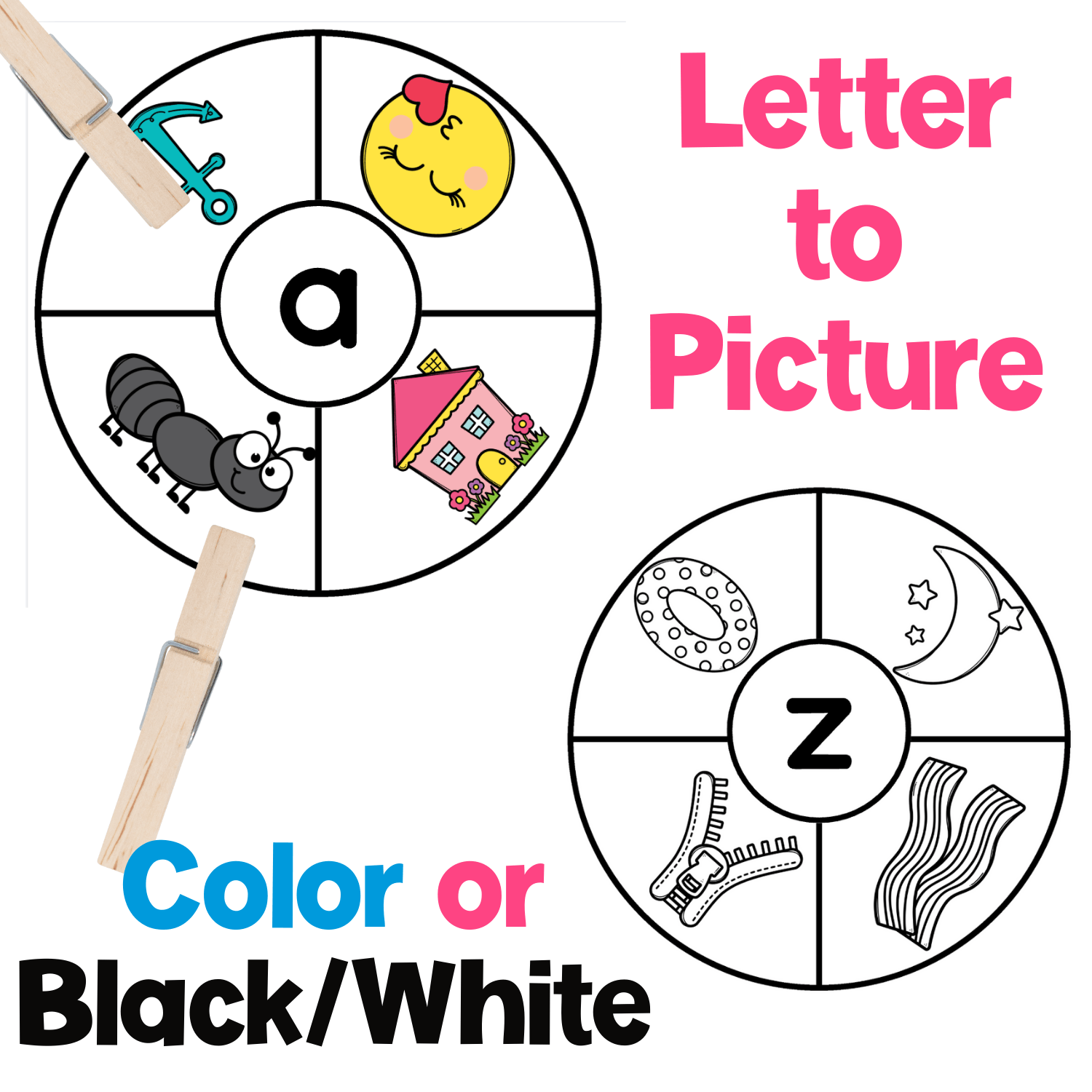
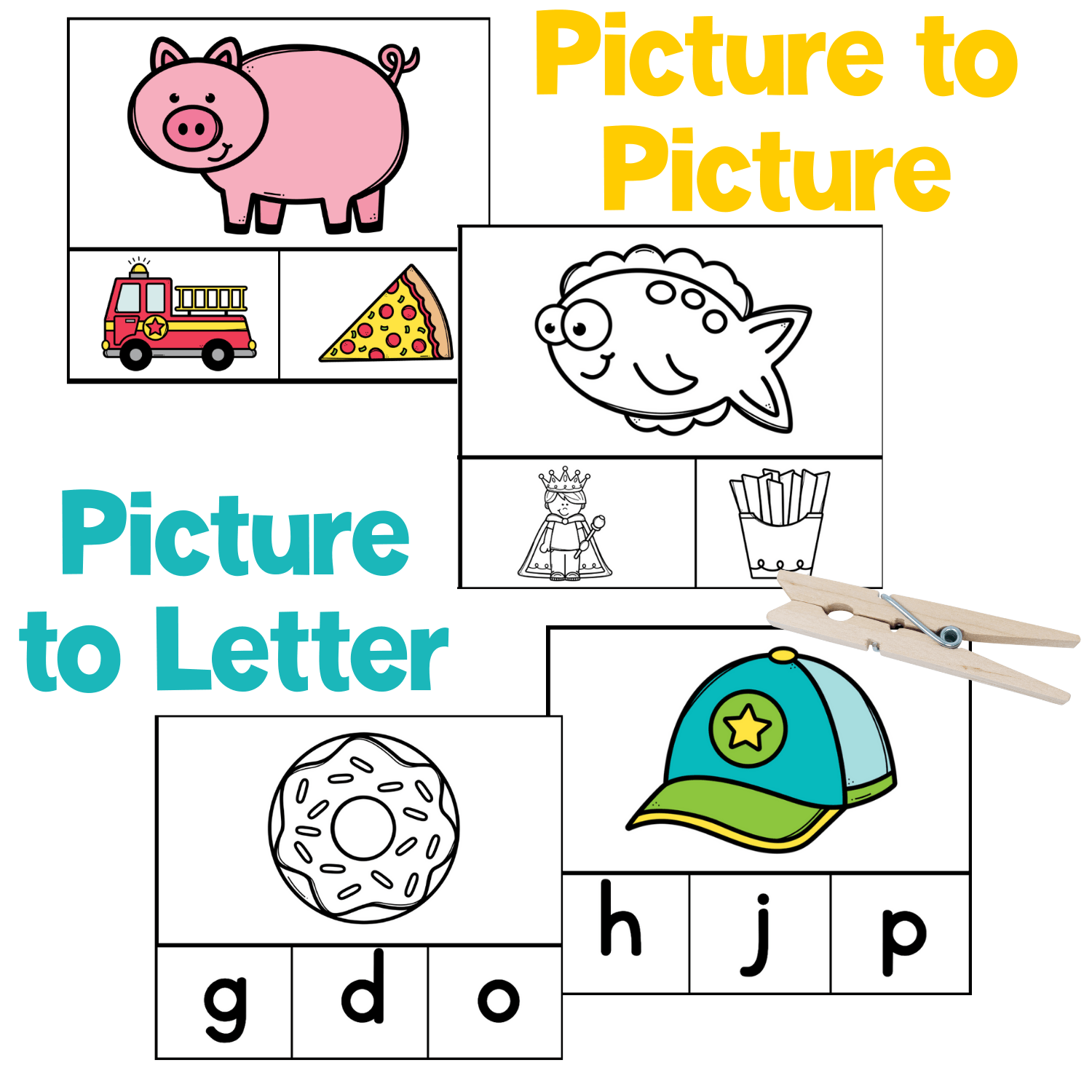
- 3 levels of beginning sounds clip cards
- Letter to picture beginning sounds
- Picture to letter beginning sounds
- Picture to picture beginning sounds
- Color and black and white versions
- Clear picture prompts that support vocabulary
- Cards designed for clothespins or paper clips
- Simple teacher directions
The uncluttered layout helps students focus on listening for sounds without visual distractions.
Required Materials:
- Laminator
- Paper Cutter
- Paper, Printer, Ink
Standards Alignment
This resource supports early phonics and phonological awareness skills found in common literacy standards.
Common Core State Standards (ELA):
RF.K.1 Demonstrate understanding of spoken words, syllables, and sounds
RF.K.2 Demonstrate understanding of spoken words, syllables, and phonemes
Texas Essential Knowledge and Skills (TEKS):
K.2.A Identify and produce initial sounds
K.2.B Recognize spoken alliteration and beginning sounds
Virginia English Standards of Learning (SOL):
K.5 Demonstrate phonological awareness, including beginning sounds
While students work through the clip cards, they build foundational early literacy skills through repetition, careful listening, and visual support.
Beginning sounds and phonics skills include:
- Identifying initial sounds in words by naming pictures and isolating the first sound they hear
- Listening for beginning sounds in spoken language, which strengthens phonemic awareness and sound discrimination
- Connecting sounds to letters as students match pictures to the correct beginning sound letter
- Developing phonemic awareness through repeated practice with initial sounds using familiar images
Additional skills supported:
- Fine motor strength and hand control through repeated clipping with clothespins or paper clips
- Pincer grasp development as students squeeze and release clips during the activity
- Attention and task completion as students work through each card using a clear, predictable routine
- Independence and self-monitoring when self-checking options are added to the back of the cards
Beginning Sounds Center Activities: Clip Cards
These beginning sounds picture clip cards provide structured, hands-on practice with initial sounds using a simple and familiar routine. Students look at pictures, say the words quietly or out loud, and decide which answer matches the beginning sound.
Each card asks children to slow down, listen carefully, and make a sound-based choice. Using a clothespin or paper clip adds fine motor practice while keeping the focus on phonemic awareness. The format is calm, predictable, and easy for young learners to follow.
This beginning sounds activity works well for preschool, pre-k, kindergarten, and intervention settings where students benefit from clear expectations and repeated practice.
How to Use:
The setup is quick, and the routine is easy to teach and repeat.
- Print and laminate the beginning sounds clip cards.
- Cut the cards apart.
- Place the cards in a basket, task box, or literacy center.
- Students say the picture name quietly or out loud.
- Students listen carefully for the beginning sound.
- Students clip the correct answer using a clothespin or paper clip.
- Optional: Add a small dot to the back of the correct answer to create a self-checking beginning sounds activity.
Once students learn the routine, they can complete the activity independently or with minimal support.
Where to Implement:
These beginning sounds clip cards work best during quiet, focused parts of the day:
- Literacy centers for independent or partner phonics practice
- Small group instruction when targeting specific beginning sounds or skill levels
- Speech therapy sessions to support articulation and sound awareness
- Task boxes for structured, independent literacy work
- Early intervention and special education settings that benefit from hands-on repetition
- Homeschool phonics lessons that need low-prep, skill-focused activities
- Informal assessments to observe beginning sounds understanding
- Early finisher work that reinforces phonemic awareness without busy work
The predictable structure helps students stay focused while practicing an important early reading skill.