Patterns With Beads: Winter Theme
Recommended Grade Level:
Type of Resource: PDF
Number of Pages: 4

Coordinating Activities


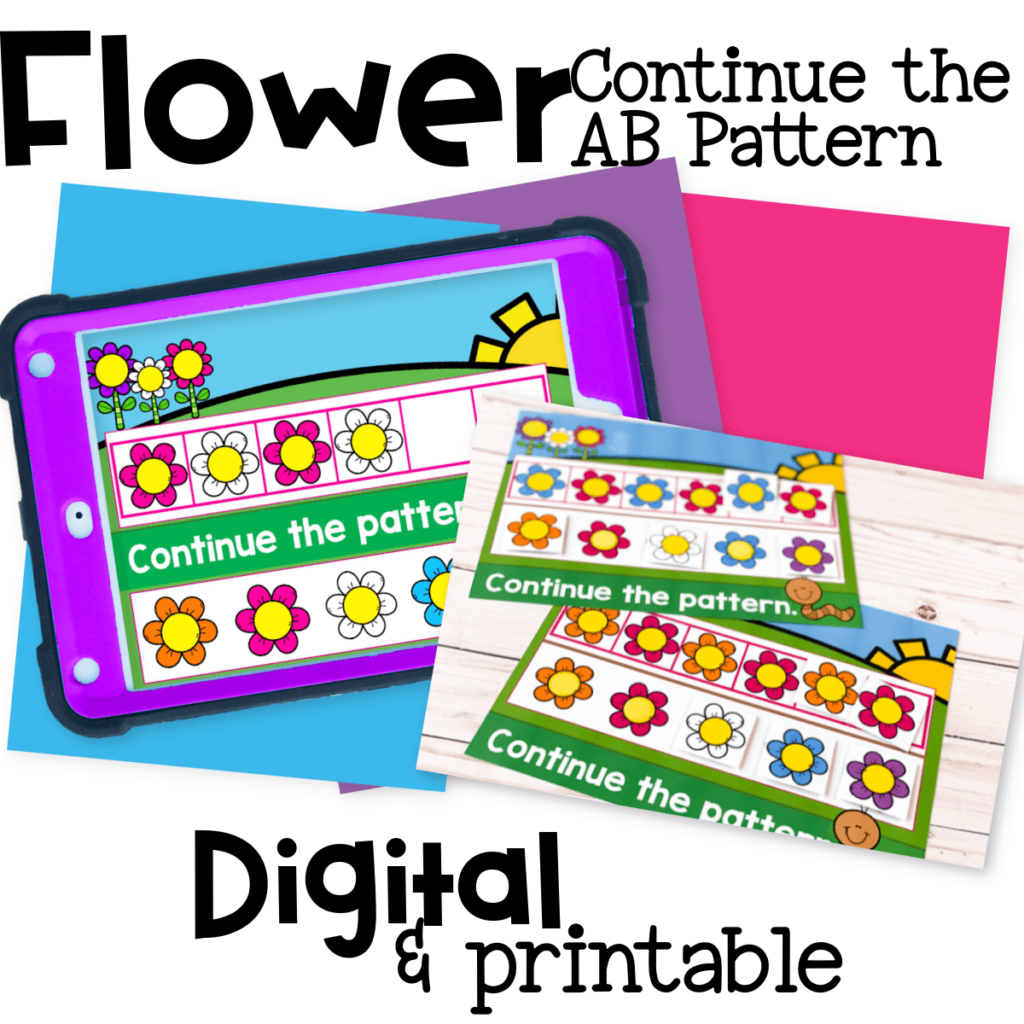


Patterns With Beads: Winter Theme
- Winter bead pattern cards, 2 pages
- Each card has a color key (“Lay a different bead on each color”) and a pattern to build with the beads
Kids pick a bead for each color on the key, then thread or lay the beads in the same pattern.
Required Materials:
- Paper, printer and ink
- Laminator
- Paper cutter or scissors
- Pony beads
- Chenille stems (pipe cleaners)
Standards for Patterns
These pattern activities support early math standards connected to recognizing, copying, extending and creating patterns.
Common Core State Standards
- CCSS.MATH.PRACTICE.MP7: Look for and make use of structure. Kids find the part of the pattern that repeats and use it to decide what comes next.
Texas Prekindergarten Guidelines
- PK4.V.E.3: Child recognizes, duplicates, extends and creates patterns. Kids copy each pattern with beads.
Virginia Mathematics Standards of Learning
- K.PFA.1.a: Identify and describe the core found in repeating patterns. Kids say the part of the pattern that repeats.
- K.PFA.1.b: Extend a repeating pattern by adding at least two complete repetitions of the core to the pattern. Kids keep each pattern going.
Patterns With Beads: Winter Theme give preschool and kindergarten kids hands-on practice building patterns while they work on fine motor skills.
Each card shows a color key and a pattern. Kids match a bead to each color, then thread the beads onto a chenille stem in the same order.
Threading beads builds the pincer grasp and hand-eye coordination kids need for writing.
How to Use Patterns With Beads: Winter Theme
- Print, laminate and cut apart the cards.
- Kids lay a bead on each color in the key.
- Kids say the pattern out loud.
- Kids thread the beads onto a chenille stem to build the pattern.
- Kids check their stem against the card.
Fine Motor Center: Set out the cards with beads and chenille stems.
Small Group: Build the first pattern together.
Easy Ways to Differentiate These Pattern Activities
Some kids in your group are still learning what a pattern is, some can continue a simple pattern but get stuck on longer ones and some are ready to create patterns of their own. The materials stay the same. What changes is which patterns kids start with and whether they copy, continue or create.
For Children Who Need More Support:
- Start with the winter cards that use two colors, like blue and yellow. Two colors that take turns are the easiest pattern to see.
- Say the pattern on the winter patterns with beads out loud together, pointing to each piece. Hearing the rhythm helps kids notice what comes next.
- Have kids lay a bead on each color dot in the winter key before building. Matching beads to the key first means kids only think about the pattern.
- Fill in the first empty space on the winter patterns with beads together. Doing one with support shows kids exactly what to do.
For On-Level Practice:
- Have kids finish all 8 winter cards on their own. Working independently shows they can copy and continue each pattern.
- Have kids name the core of each pattern on the winter patterns with beads, the part that repeats. Finding the core is the key to every pattern.
- Read each finished pattern on the winter patterns with beads with letters, like A B A B. Letters show that different pictures can share the same structure.
- Have kids check their bead string against the winter card, one dot at a time. Comparing piece by piece catches mistakes.
For an Extra Challenge:
- Have kids make their own pattern like the winter patterns with beads for a partner to finish. Creating a pattern is harder than continuing one.
- Have kids make a winter pattern longer by repeating the core three more times. A longer pattern takes focus and careful counting.
- Turn a pattern from the winter patterns with beads into claps, stomps or sounds. Showing it a new way proves kids understand the structure.
- After the winter patterns with beads, have kids find patterns in the classroom, on clothes or in a book. Real patterns show the skill carries over.
For Speech, OT, ELL or Special Education Support:
- Fine motor: threading blue, yellow and green beads onto a chenille stem builds hand-eye coordination and pincer grasp. A stiff stem is easier than string.
- ELL: name the pictures on the winter patterns with beads in English and say the pattern together like a chant. The rhythm makes a pattern easier to hear.
- Movement: act out a pattern from the winter patterns with beads with claps, stomps or jumps. Feeling a pattern helps kids who learn best by moving.
- Visual attention: cover the rest of the winter patterns with beads with paper and reveal one picture at a time. One part at a time makes the core easier to spot.
Patterns With Beads: Winter Theme Are Perfect For:
- Preschool and pre-K
- Kindergarten
- Winter themes
- Fine motor centers
- Math centers
- Small-group instruction
- Special education
- ELL and multilingual learners
- Homeschool