
Counting 1-20 Activities: Bubblegum Candy Store
Recommended Grade Level:
Type of Resource: PDF
Number of Pages: 22

You must be an Annual or Forever Member to Access this Resource.
Join the Life Over C’s Club to Access

Already a member? Login below:
Coordinating Activities


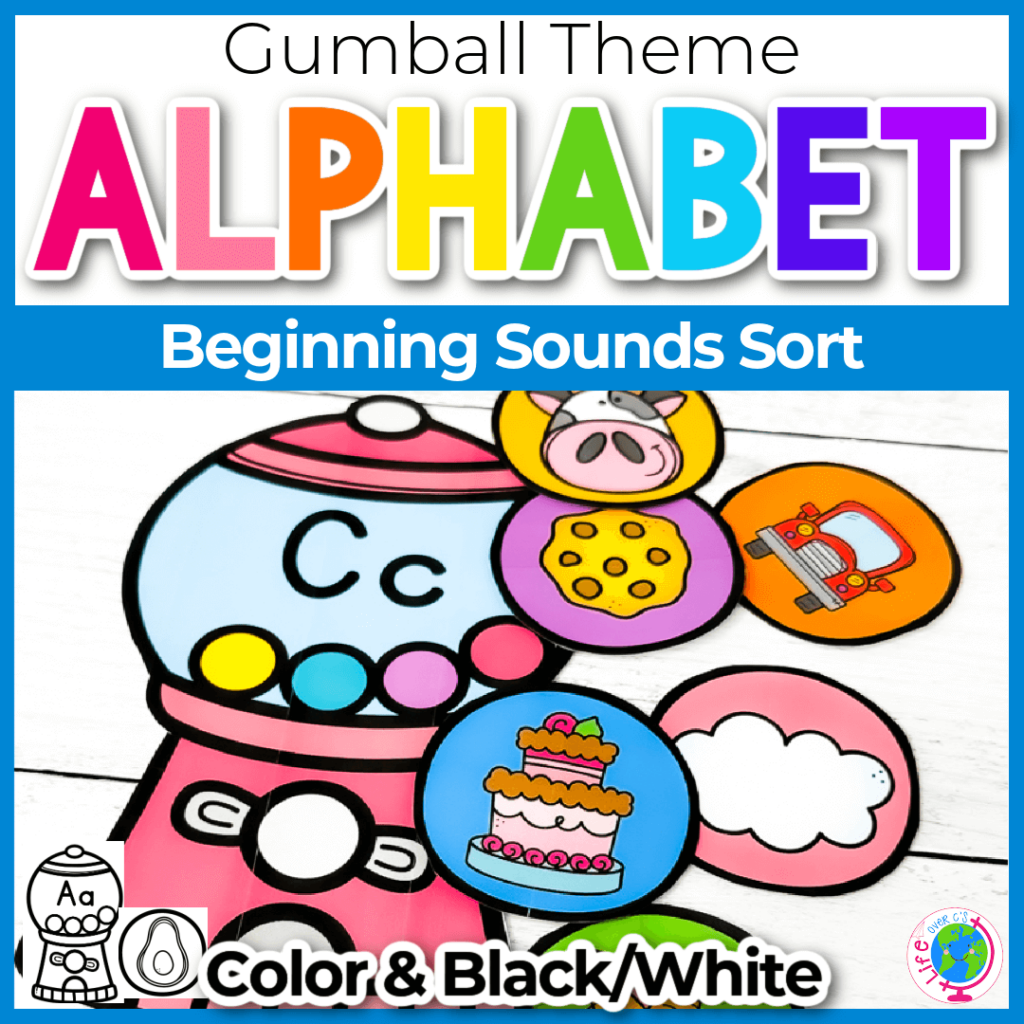

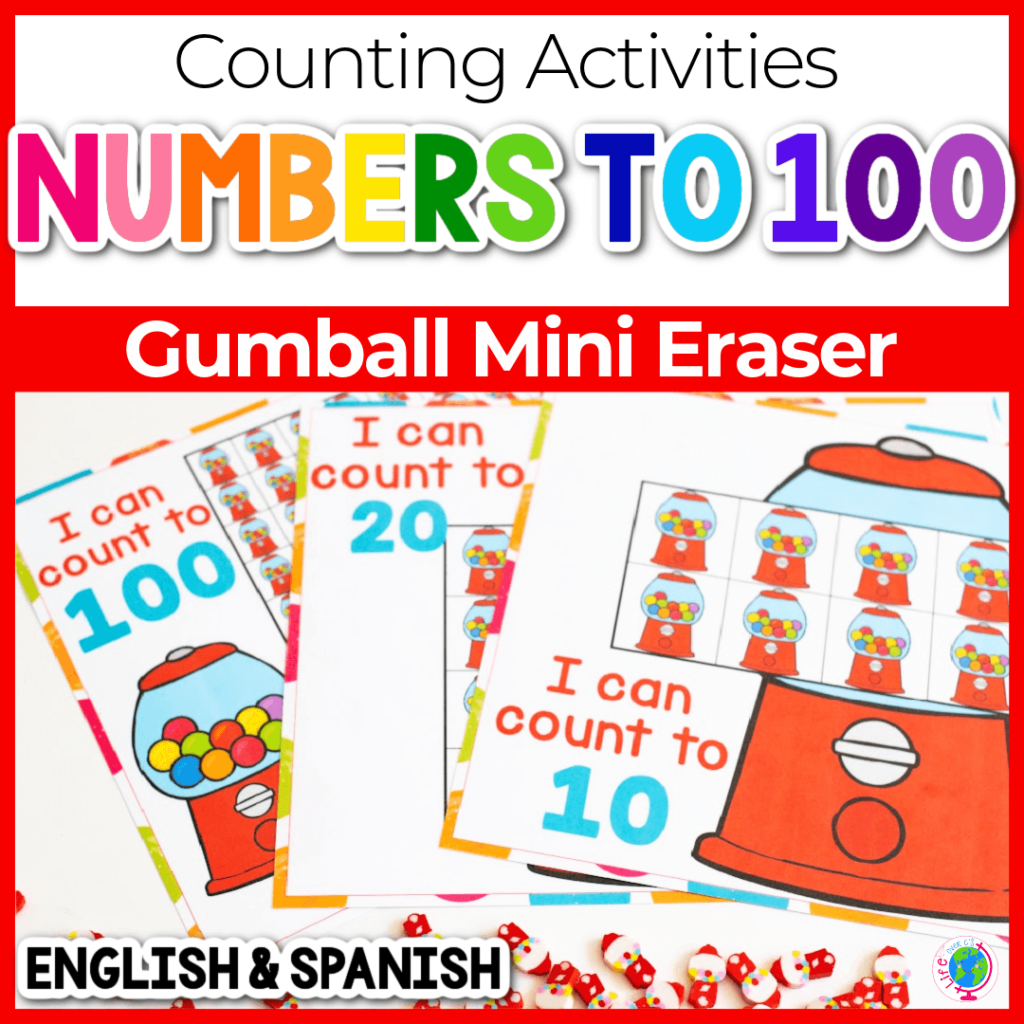
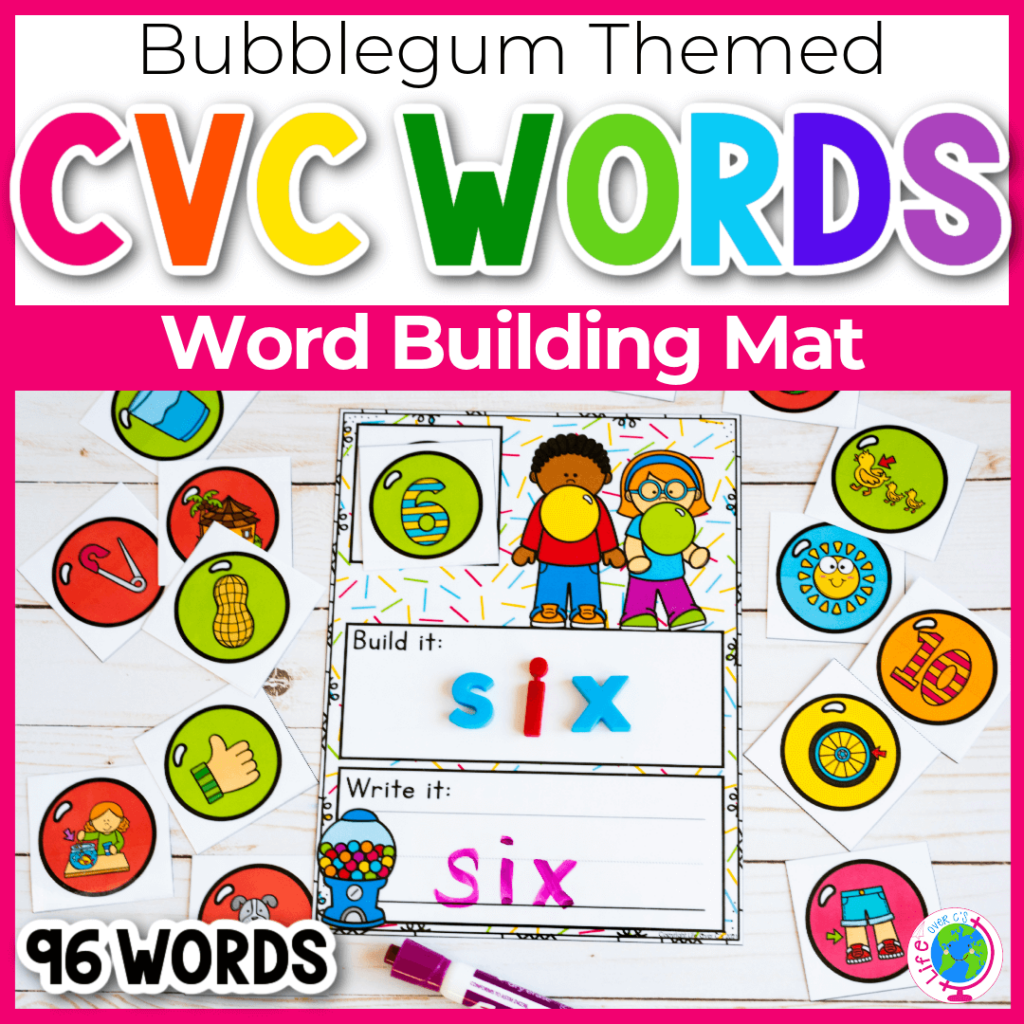

What’s Included in the Bubblegum Counting Set
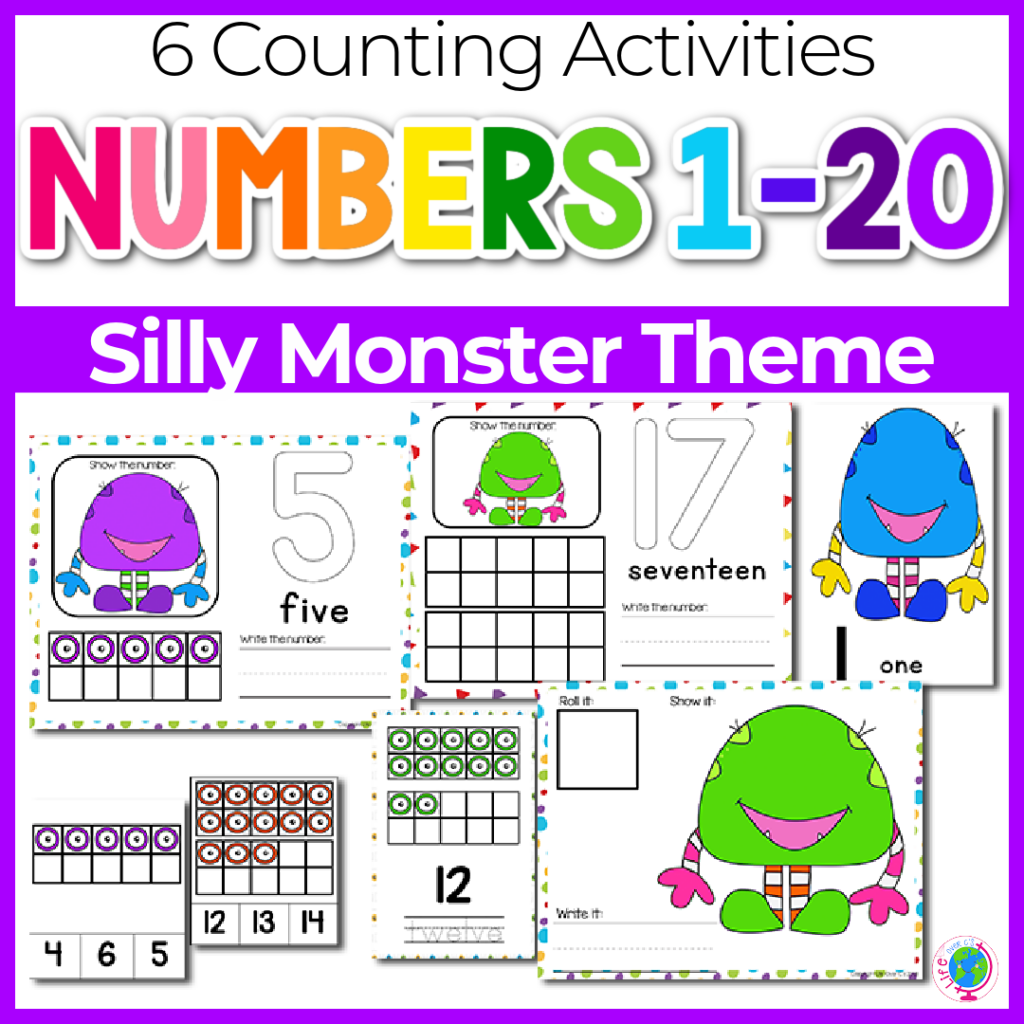
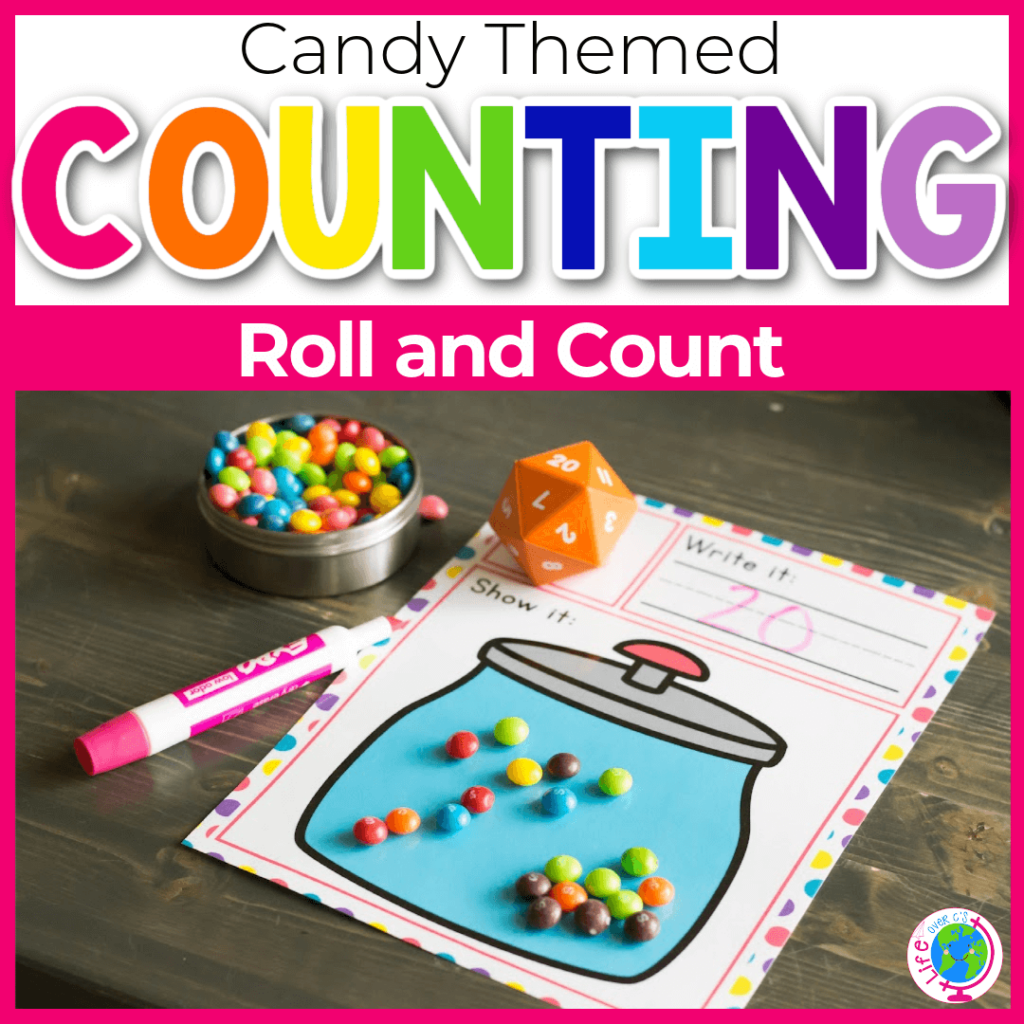
You’ll get a variety of gumball theme math activities designed to give students multiple ways to practice early number concepts while keeping prep simple and classroom use flexible.
- Show the number cards for representing numbers with manipulatives or mini erasers
- Ten frame counting cards to build quantity and one-to-one correspondence
- Number tracing cards for handwriting and numeral formation practice
- Write the number activities for connecting quantities to written numerals
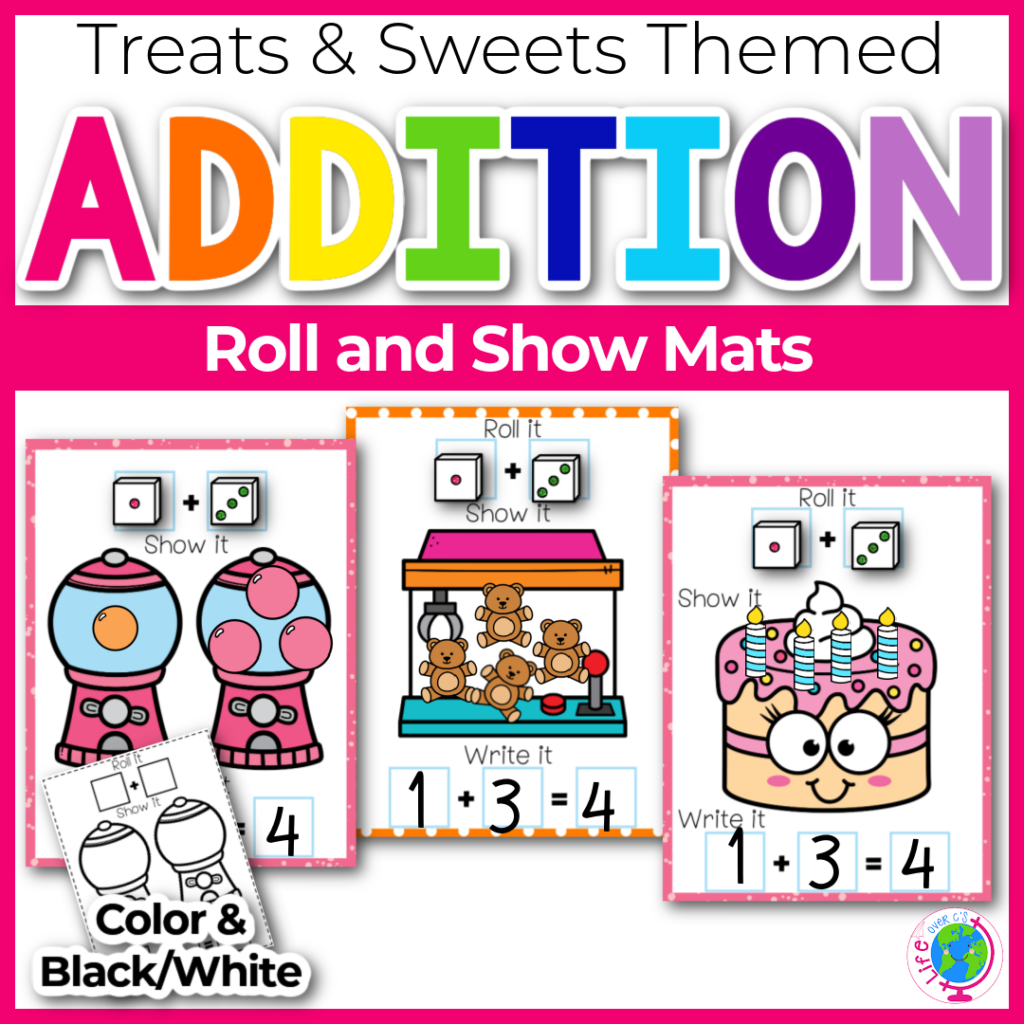
- Roll and show mats for interactive number practice and number formation
- Number clip cards or choice-style cards for independent review and self-checking practice
Everything works together to give you a strong set of number recognition and counting to 20 activities you can use all week long.
Required Materials:
- Laminator
- Paper Cutter
- Paper, Printer, Ink
Standards Alignment
These Numbers 1-20 counting activities support foundational early math concepts commonly taught in preschool and kindergarten.
- Counting to 20
- Identifying and naming numerals 1-20
- Matching numbers to sets
- Using ten frames to represent quantities
- Writing numbers
- Building early number sense
The focus stays right where it should be... helping young learners grow in number recognition, counting skills, and confidence with numbers 1-20.
Skills Students Practice with These Number Recognition Activities
Preschoolers need more than just recognizing a numeral on a page. Strong early math instruction gives them chances to see numbers, count objects, write numerals, and connect all of those pieces together.
- Number recognition for numerals 1–20
- Counting skills and one-to-one correspondence
- Counting to 20 using visual supports
- Ten frame practice for quantity and number sense
- Number word recognition and number vocabulary
- Handwriting and numeral formation during tracing and writing tasks
- Fine motor skills through manipulating pieces, cards, and tools
- Visual discrimination while identifying numbers and matching representations
All of that practice helps build the strong foundation kids need before moving into more advanced math.
Counting 1-20 Activities: Bubblegum Candy Store
Bright colors, candy shop vibes, and hands-on math practice? Yes, please.
These Numbers 1–20 counting activities bring a playful bubblegum theme into your math centers while helping preschoolers and kindergarteners build strong number recognition and counting skills.
With multiple low-prep activities in one set, kids get to count, show, trace, write, and interact with numbers in ways that keep practice feeling fresh instead of repetitive.
How to Use the Bubblegum Counting Activities
Getting started is simple, and you can easily adjust the activities for centers, small groups, or one-on-one support.
Step 1: Print the activities you want to use and prep them for your classroom. You can place them in math tubs, use them with mini erasers, or add them to independent work bins.
Step 2: Introduce one activity at a time so students understand the expectations. Model how to count carefully, match quantities to numerals, and complete each task correctly.
Step 3: Rotate the activities through your math centers, small groups, or review time so students keep practicing number recognition and counting skills in fresh ways throughout the week.
A little variety goes a long way... especially when you’re teaching numbers to wiggly little humans with very big opinions.
Perfect For:
This bubblegum math resource fits right into so many parts of your day.
- Pre-K math centers
- Kindergarten math centers
- Earth Day theme units
- Small group instruction
- Independent practice
- Morning tubs
- Homeschool math lessons
- Early finisher activities
- Intervention and review work
It’s an easy way to bring fun into your classroom while still focusing on the foundational math skills kids need most.