
Sensory Bin Ideas for Preschool and Kindergarten
These sensory bin ideas give preschool and kindergarten kids something to scoop, pour, sort and talk about in every season. Each bin is a Club resource with one printable PDF: step-by-step directions with photos and a shopping list, so you can set it up without hunting for the details.
Pick a bin by season, or start with the filler you already have in the pantry. Most of these sensory bins for preschoolers use everyday materials like rice, chickpeas, beans, pasta, water or snow, plus scoops, cups and tongs.
Jump to: Spring · Summer · Winter and holidays · Any time of year · Sensory bin fillers · Printable sensory bin games · Questions
Spring
Spring Sensory Bins
Bright colors, busy bees, butterflies, frogs and a farm straight out of a favorite book. These bins work well for a rainbow, bug, garden, pond or Easter theme.
Rainbow rice
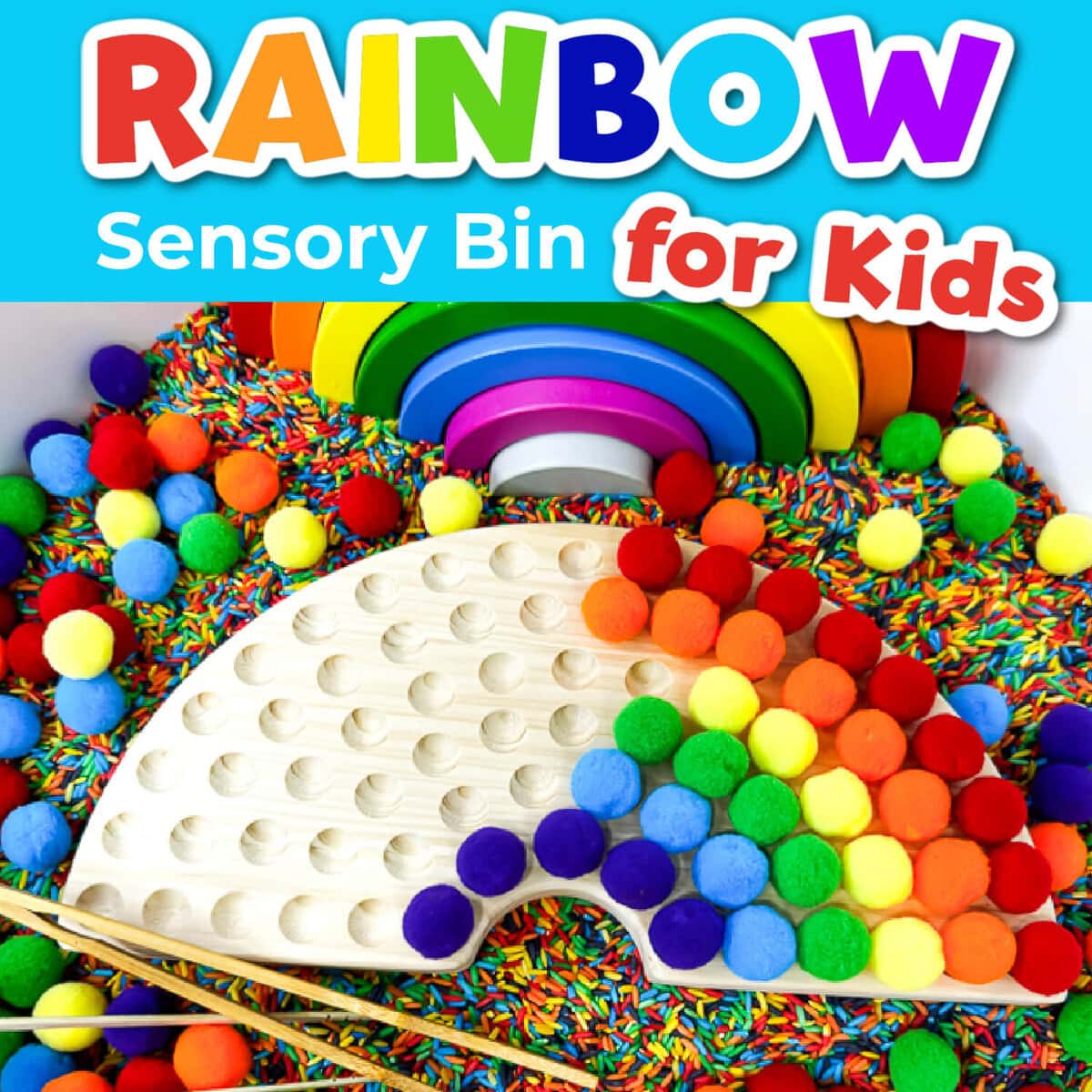
Rainbow Color Sorting Sensory Bin
Kids sort pom poms by color with tongs or tweezers and stack a wooden rainbow.
Painted rice
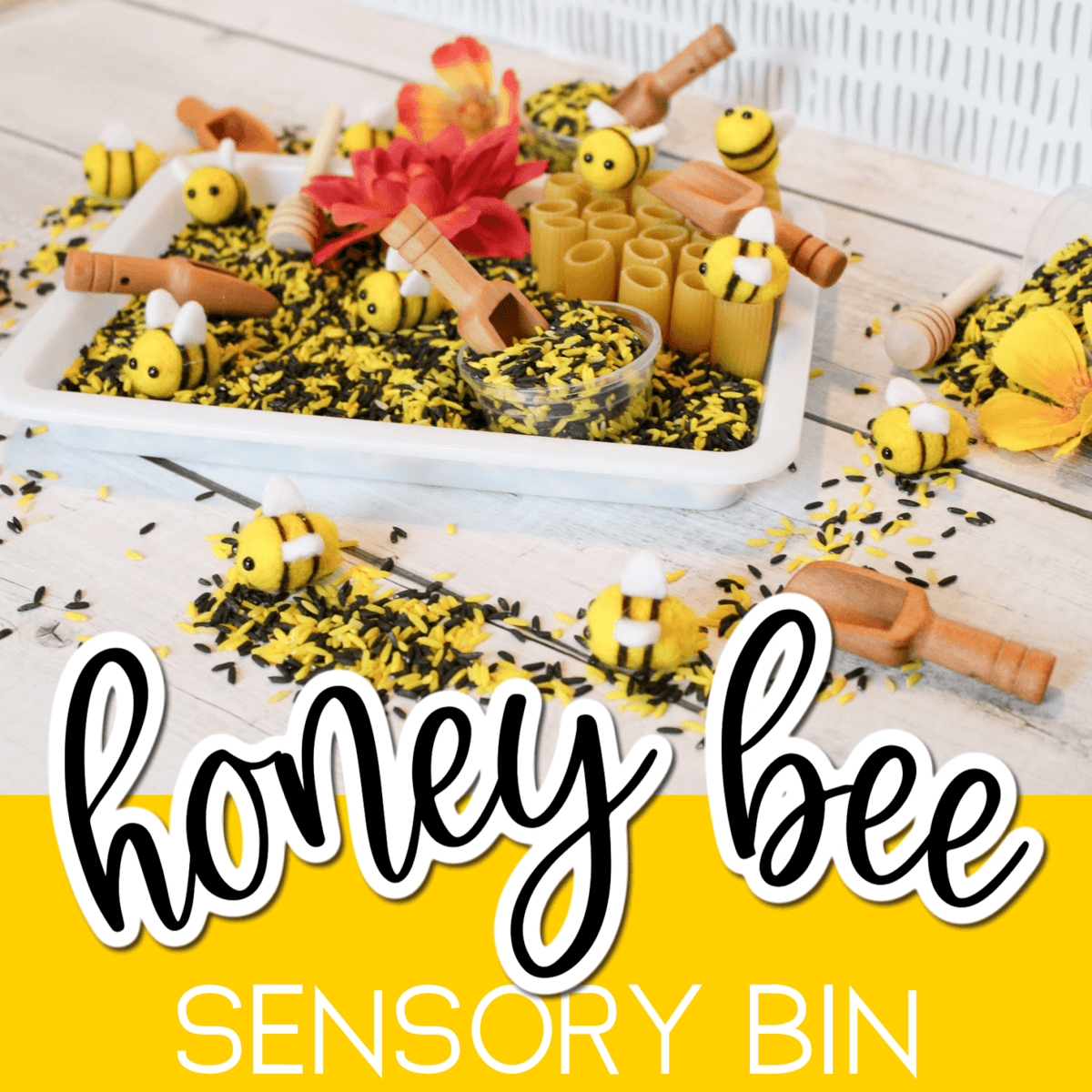
Honey Bee Sensory Bin with Rice
Toy bees fly between a flower and a playdough hive built with rigatoni pasta.
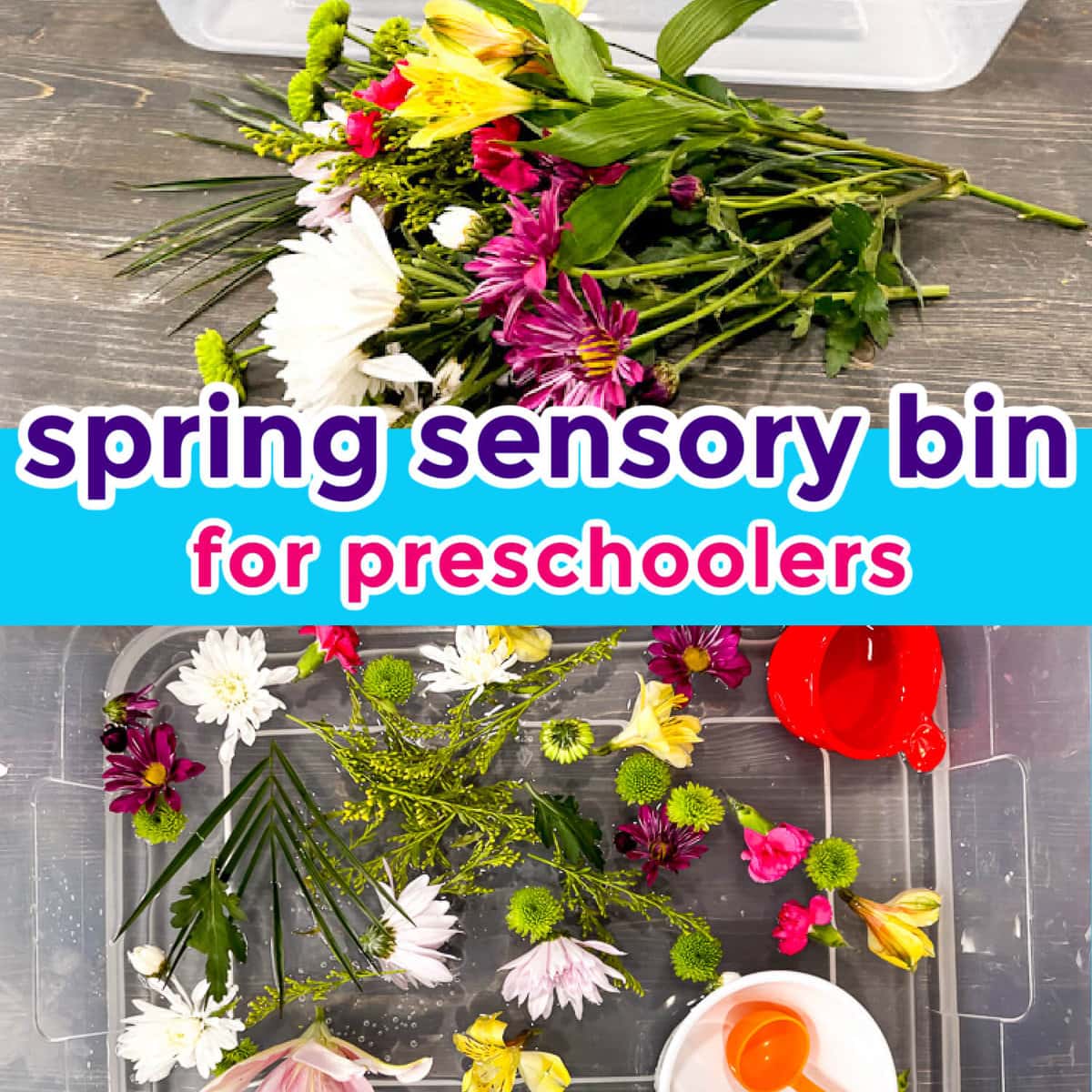
Water
Kids ladle, stir and pour their own flower soup from a bouquet and a little water.
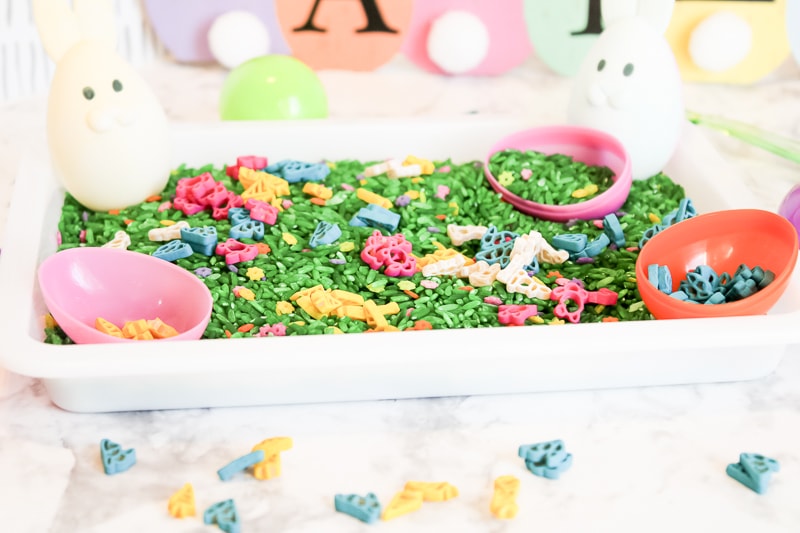
Green rice and pasta
Easter Bunny Pasta Sensory Bin
Spring-colored bunny pasta and plastic eggs on green rice, sized for one child at a time.
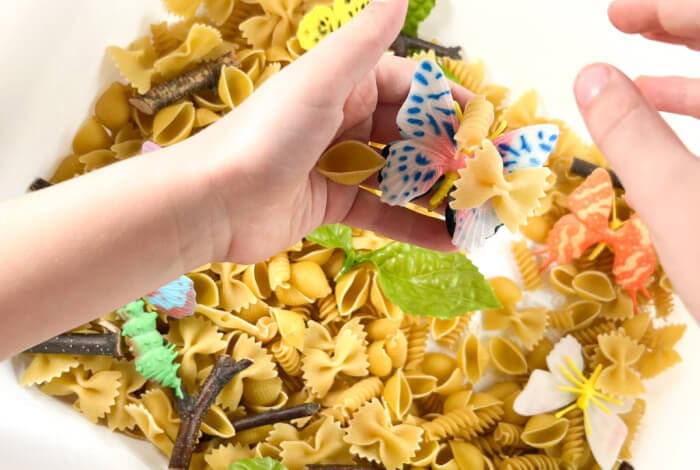
Rice and pasta
Butterfly Life Cycle Sensory Bin
Rotini caterpillars, bowtie butterflies, leaves and sticks for acting out the life cycle.
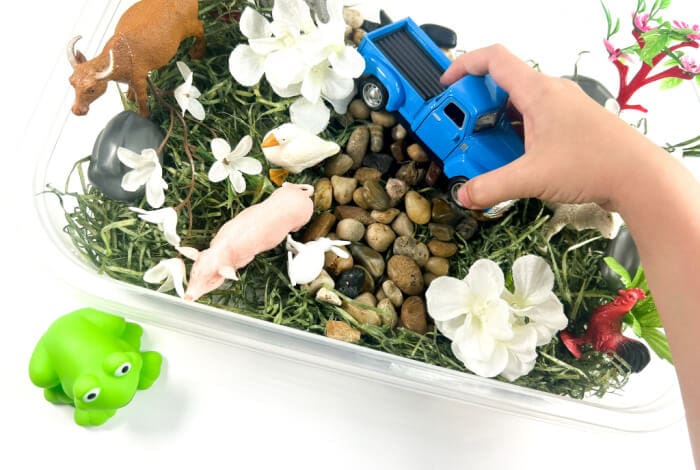
Pebbles and grass
Spring Farm Sensory Bin for Little Blue Truck’s Springtime
A pebble road, farm animals and a blue truck for retelling Little Blue Truck’s Springtime.
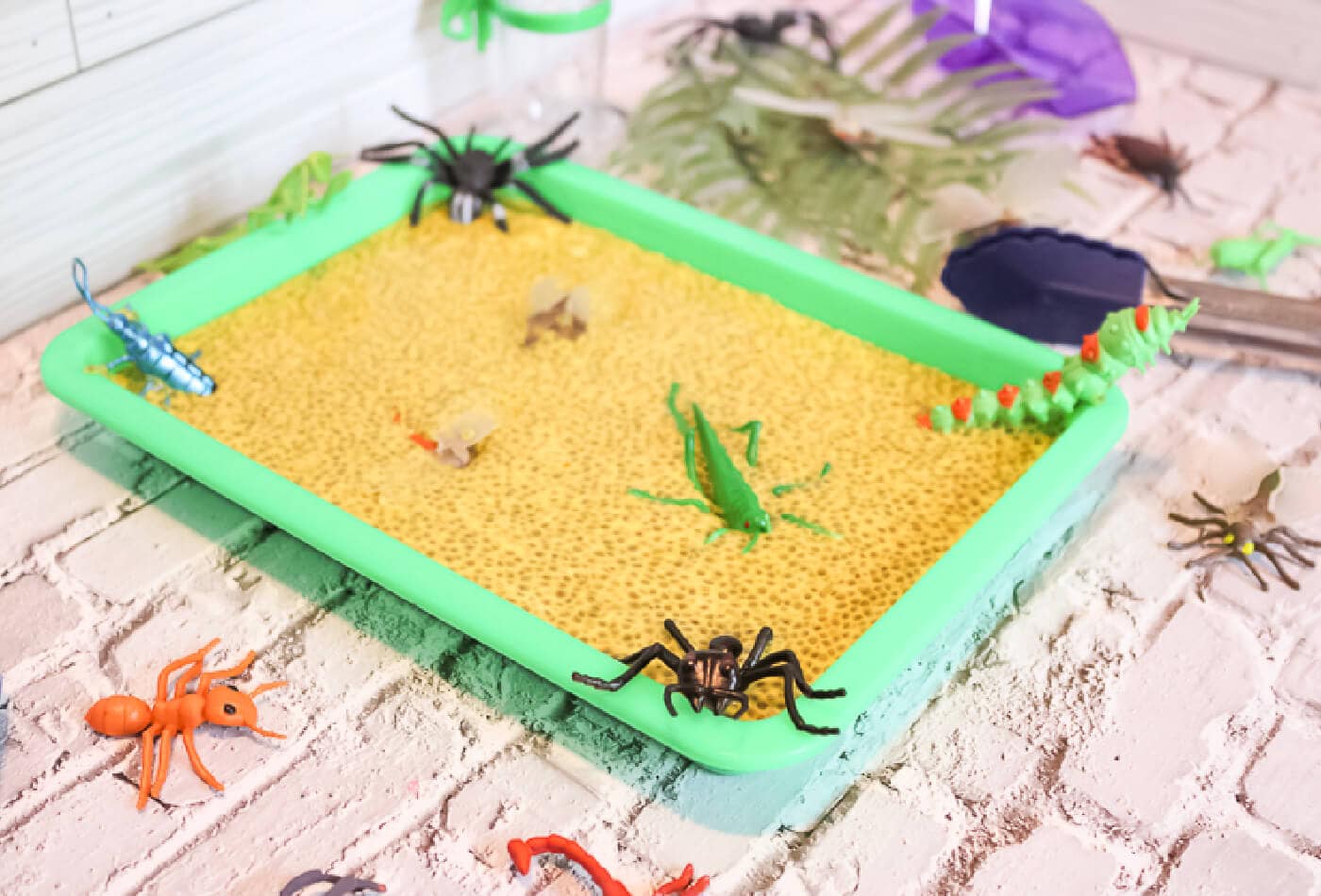
Chia seeds
Chia Seed Bugs and Insects Sensory Bin
Soaked chia seeds make a squishy goo for rescuing plastic bugs with tongs and tweezers.
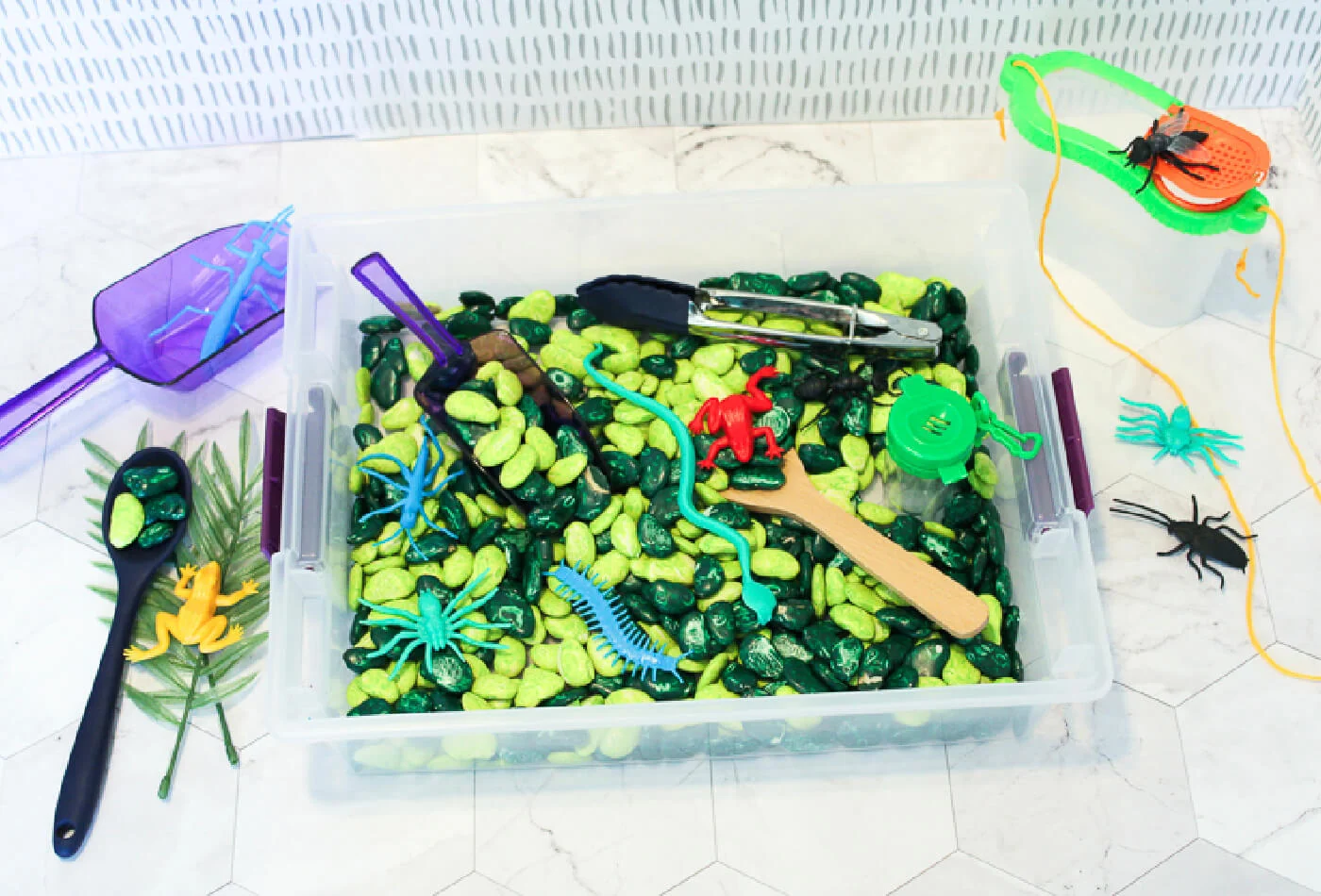
Painted lima beans
Bug Sensory Bin with Dyed Lima Beans
Two shades of green beans, plastic bugs and a bug net for catching and sorting.
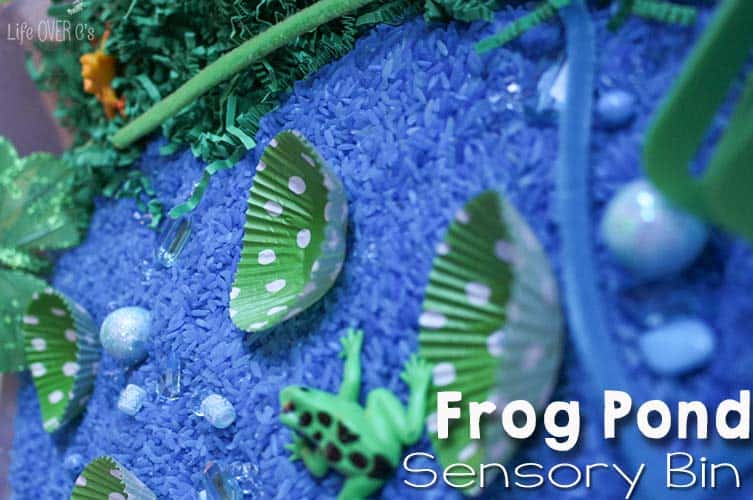
Blue rice
Blue rice, green crinkle paper and toy frogs make a pond to explore with tongs.
Summer
Summer Sensory Bins
Ocean and pirate themes for the warm months. The ocean foam is the messiest bin on this page, so set it up where a few spills are OK.
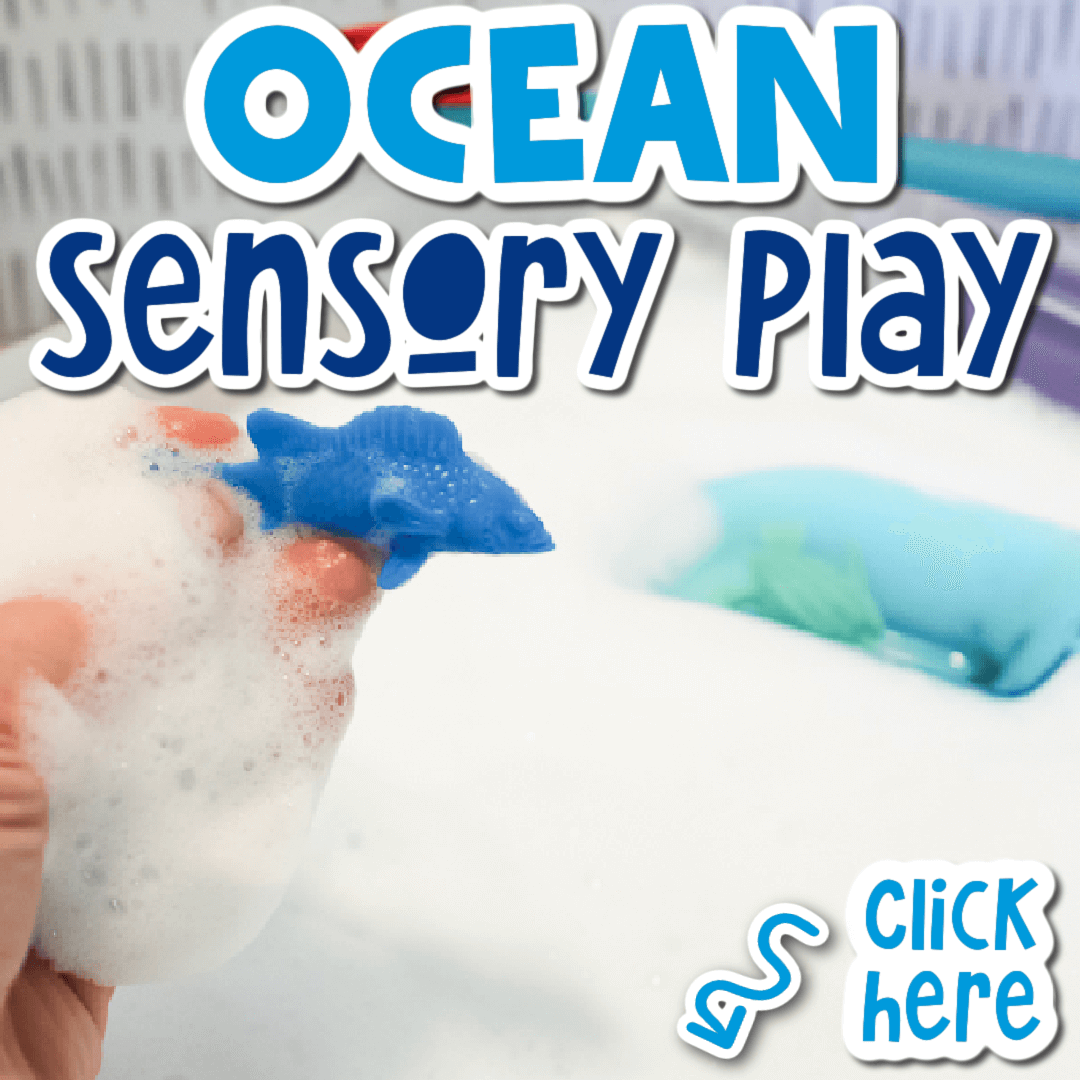
Soap foam
Water, dish soap, cornstarch and blue food coloring whip into soft ocean foam in the blender. Kids scoop out the sea animals hiding inside.
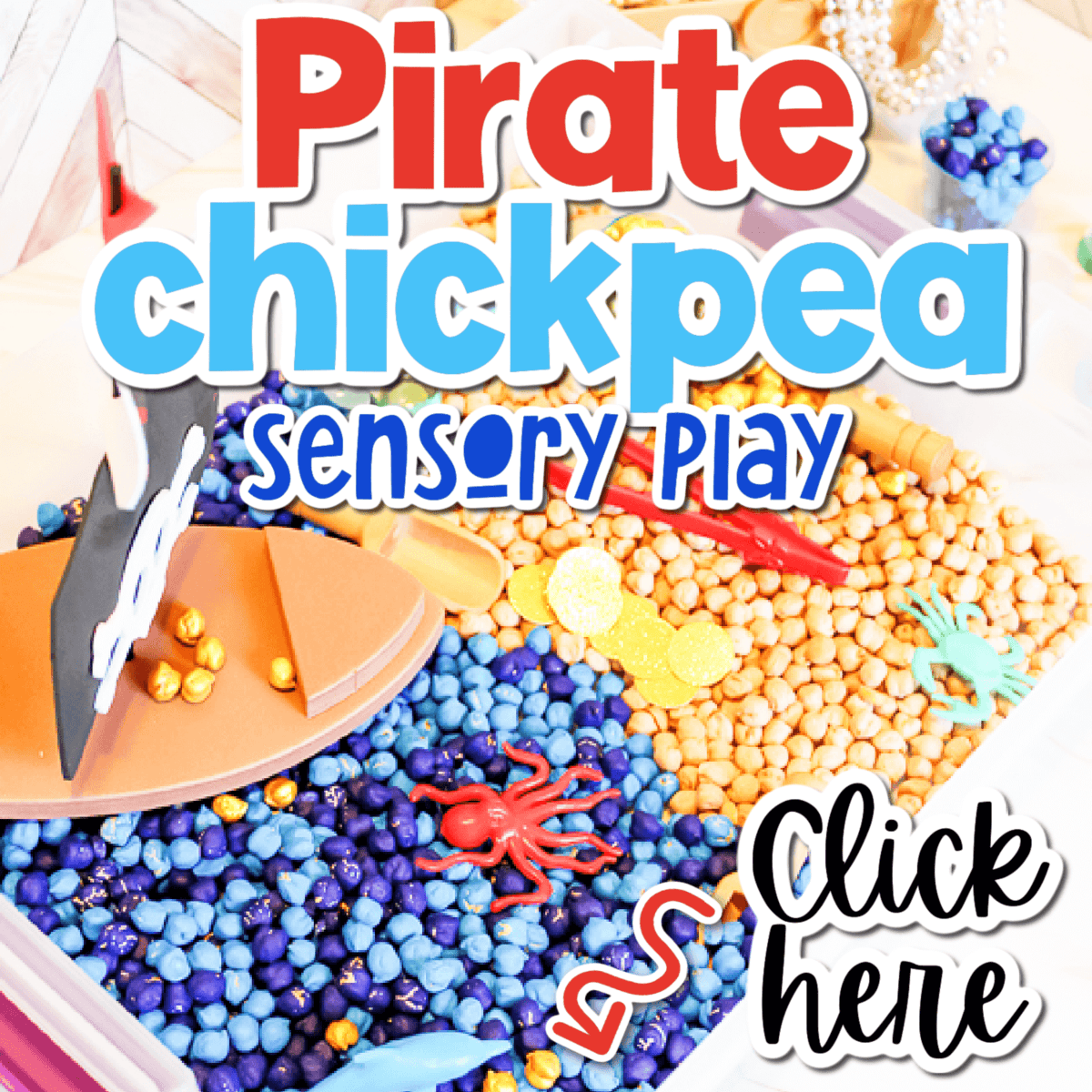
Painted chickpeas
Pirate Treasure Sensory Bin with Chickpeas
Blue chickpeas make the sea and plain ones make the sand. Kids hunt for gold coins and jewels, then count the treasure into the chest.
Winter and holidays
Winter and Holiday Sensory Bins
Real snow, pretend snow, a water bin for Christmas and two Valentine’s Day bins.
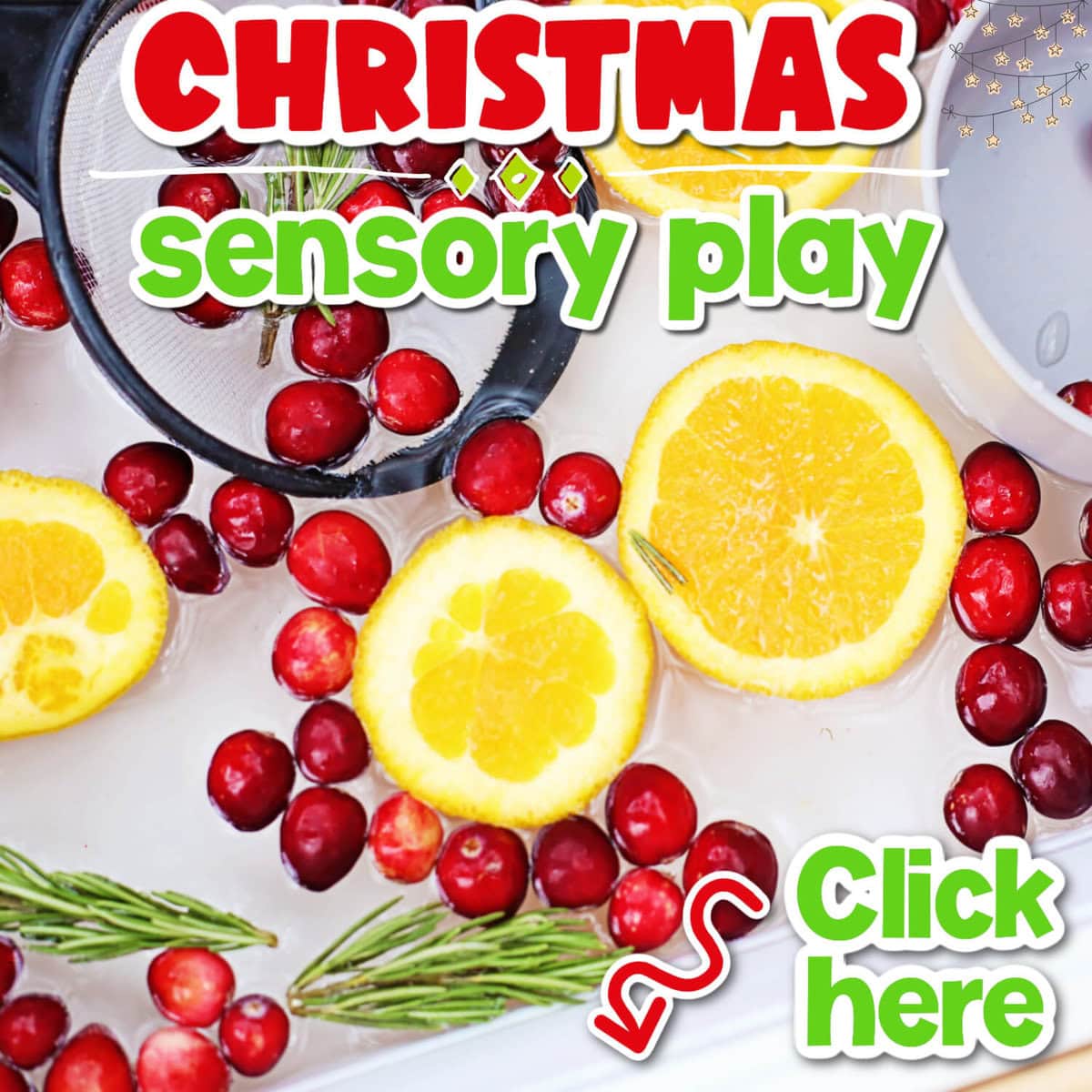
Water
Cranberry and Lemon Christmas Sensory Bin
Cranberries, lemon slices and rosemary to scoop and strain into a Christmas soup.
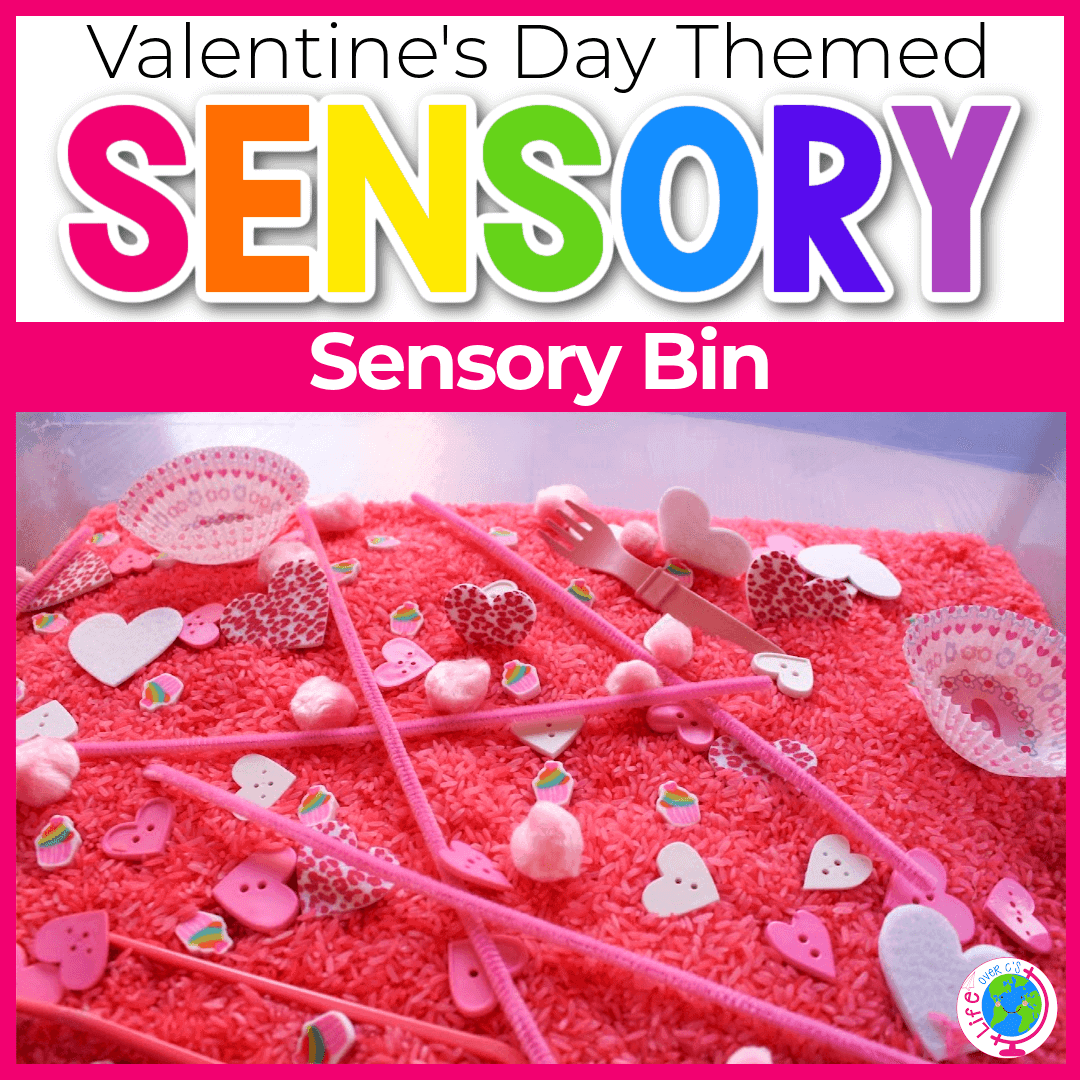
Dyed rice
Pink Valentine’s Day Sensory Bin
Pink rice, heart buttons and pom poms to scoop into cupcake liners and pick out with a fork or tongs.
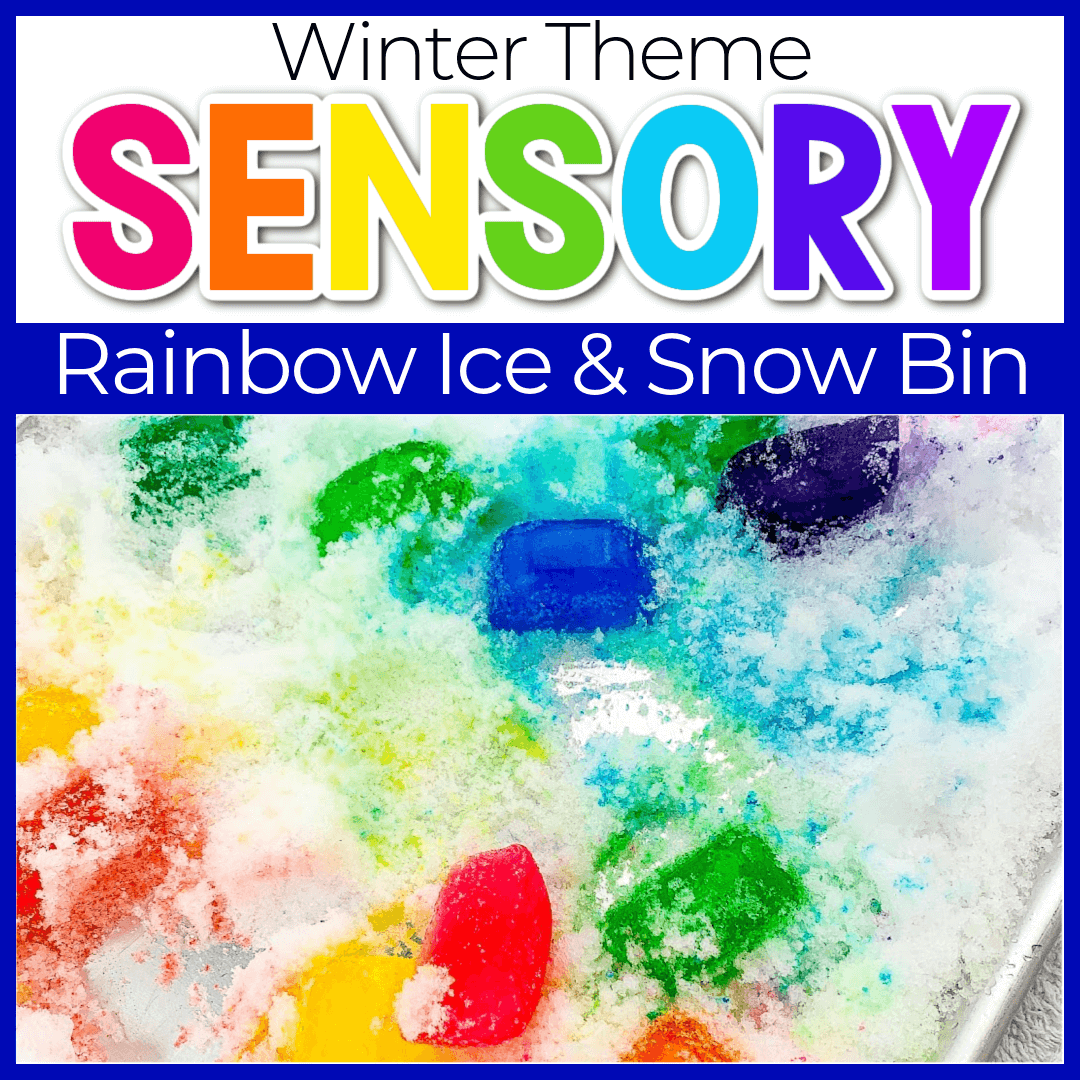
Snow and ice
Rainbow Ice and Snow Sensory Bin
Colored ice cubes go on a tray of real snow, and kids watch the colors melt and spread.
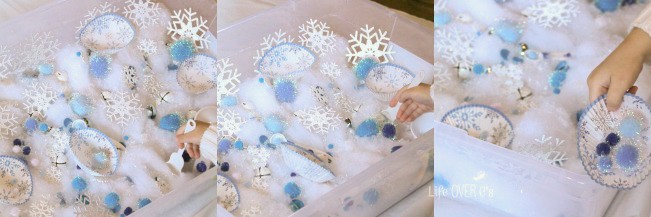
Pillow fill
Soft pretend snow with glitter snowflakes, bells and pom poms, no cold fingers required.
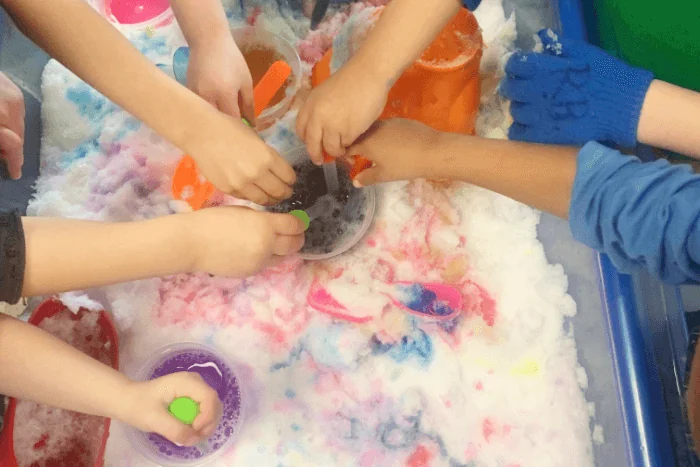
Snow
Pipettes and watered-down paint turn real or homemade snow every color.
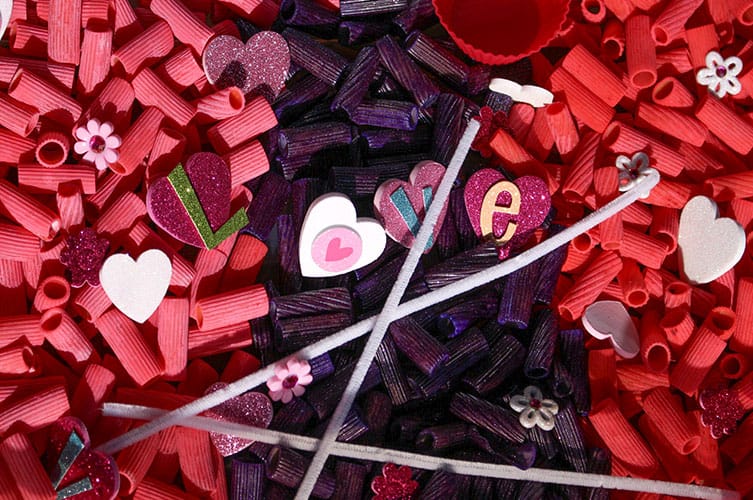
Painted pasta
Valentine’s Day Pasta Sensory Bin
Valentine-colored pasta and foam hearts, with L, O, V and E hearts hidden for a word hunt.
Any time of year
Sensory Bins for Any Time of Year
Dinosaurs, outer space, farm and safari animals, a night sky, princesses and rainbows never go out of season. Most of these use painted pasta, chickpeas, beans or rice, so you can make the filler once and store it for next time.
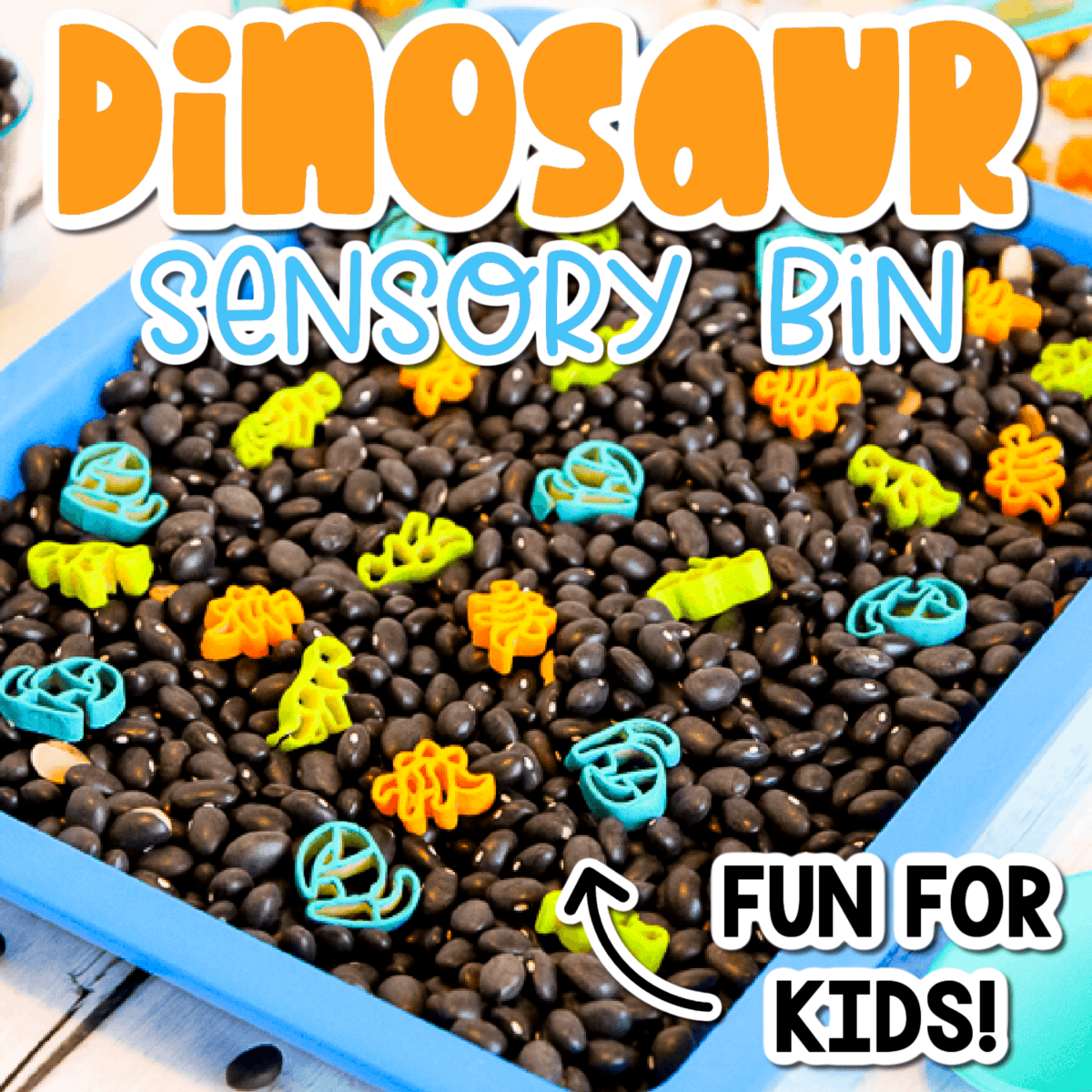
Pasta and black beans
Painted Dinosaur Pasta Sensory Bin
Dinosaur pasta painted in three colors, black beans and toy dinosaurs for digging and storytelling.
Painted chickpeas
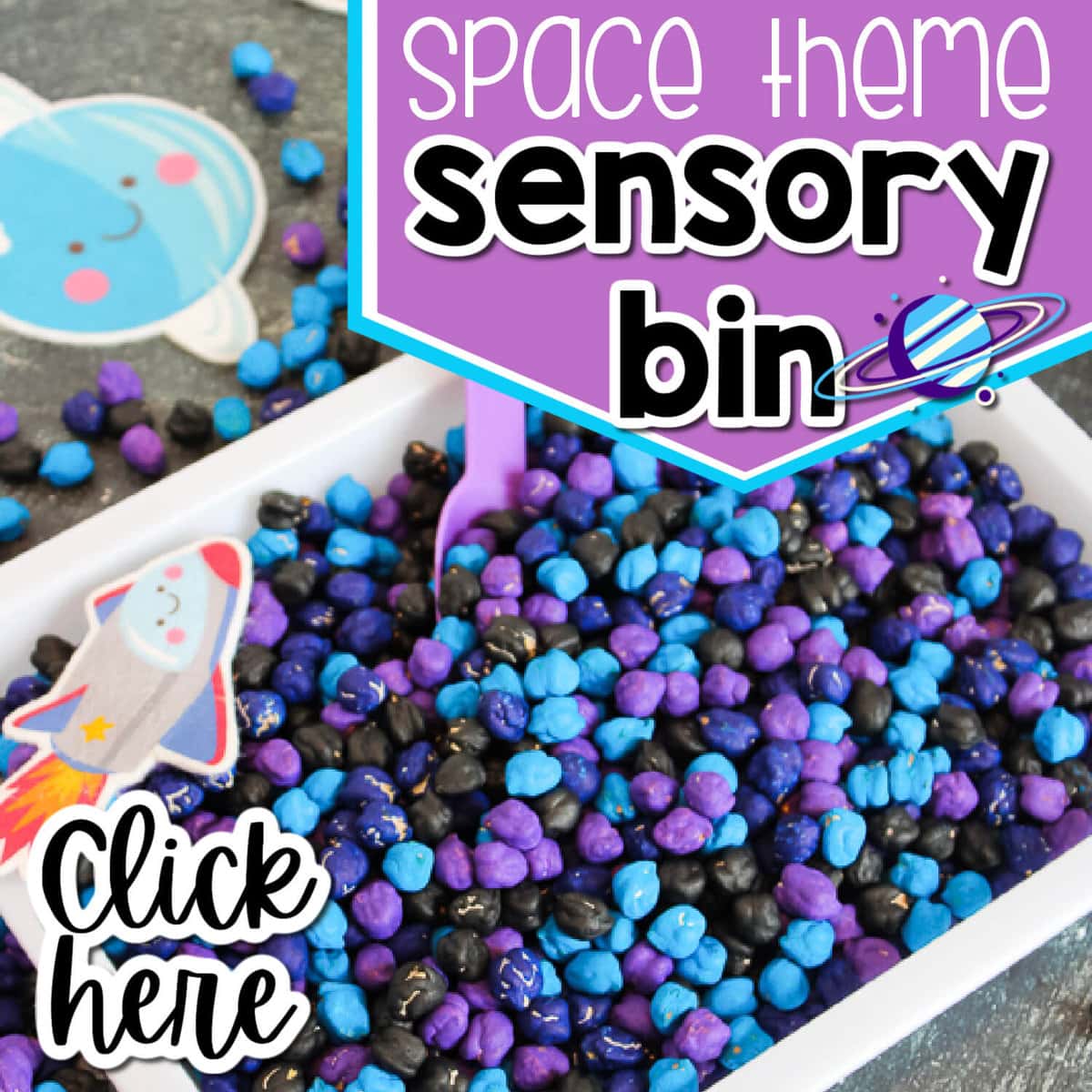
Space Sensory Bin with Dyed Chickpeas
Blue, purple and black chickpeas make a galaxy for measuring cups and space toys.
Pasta and lentils
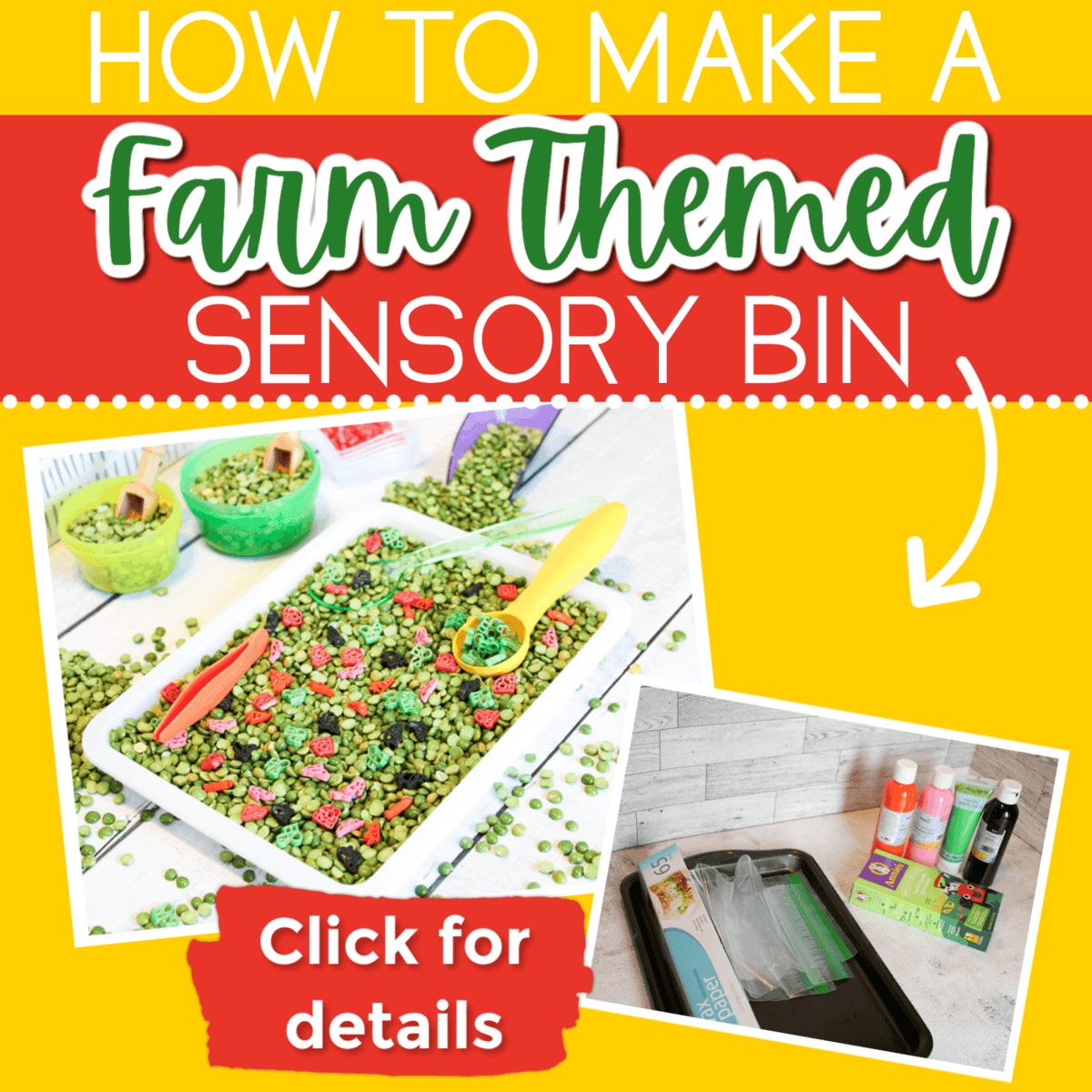
Farm-shaped pasta in five colors on green lentils, ready to sort by shape or color.
Chickpeas and coconut
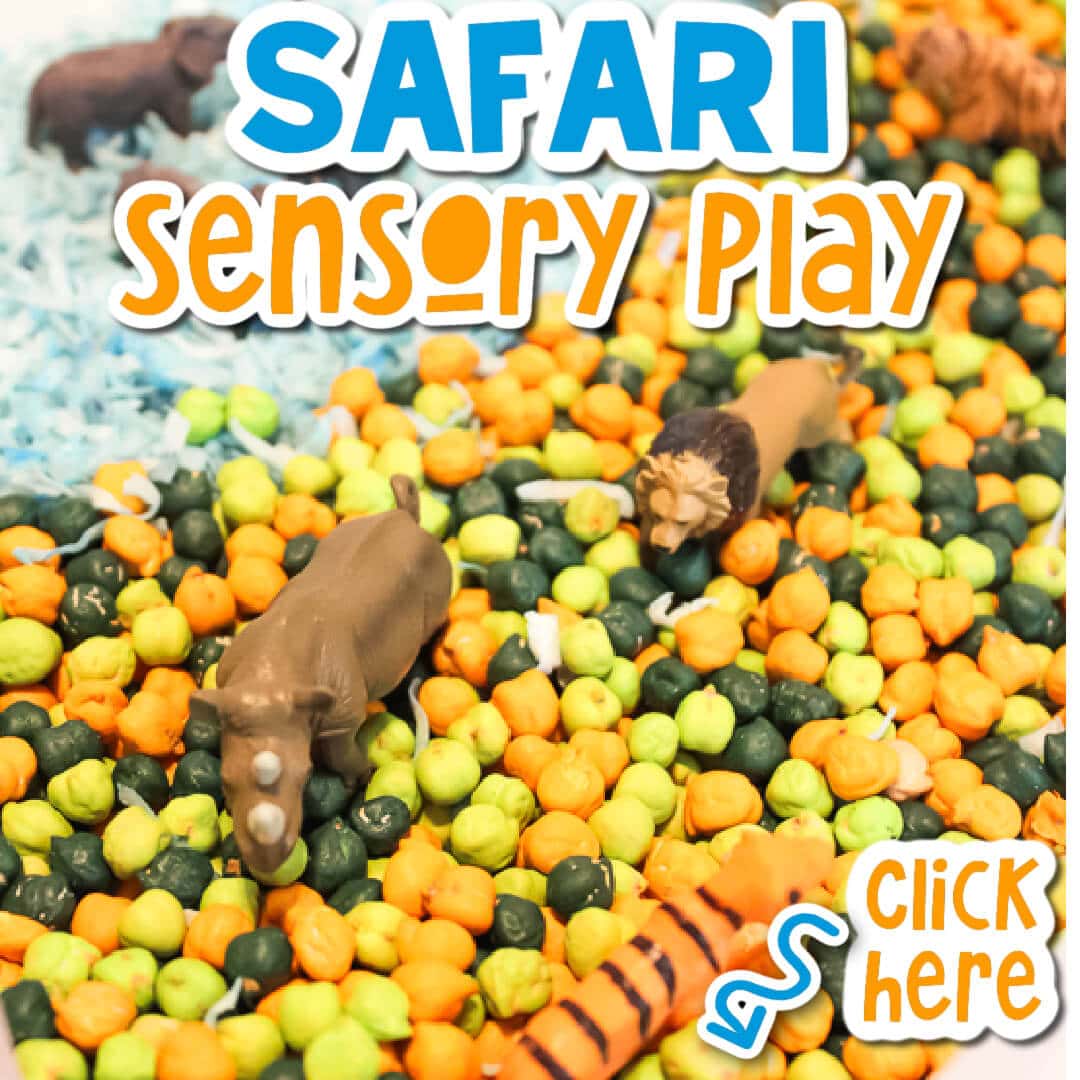
Safari Sensory Bin with Chickpeas and Coconut
Green and yellow chickpeas make the grasslands and blue coconut makes the water hole.
Black rice
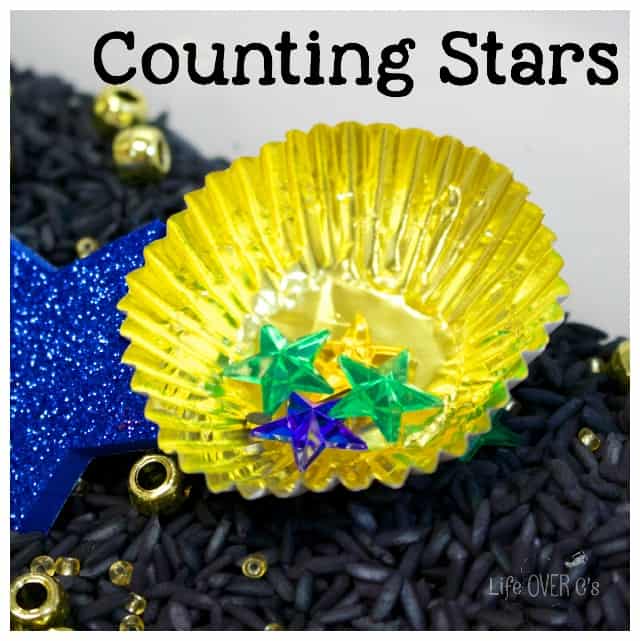
Black rice with gold stars, beads and garland for counting and comparing sizes.
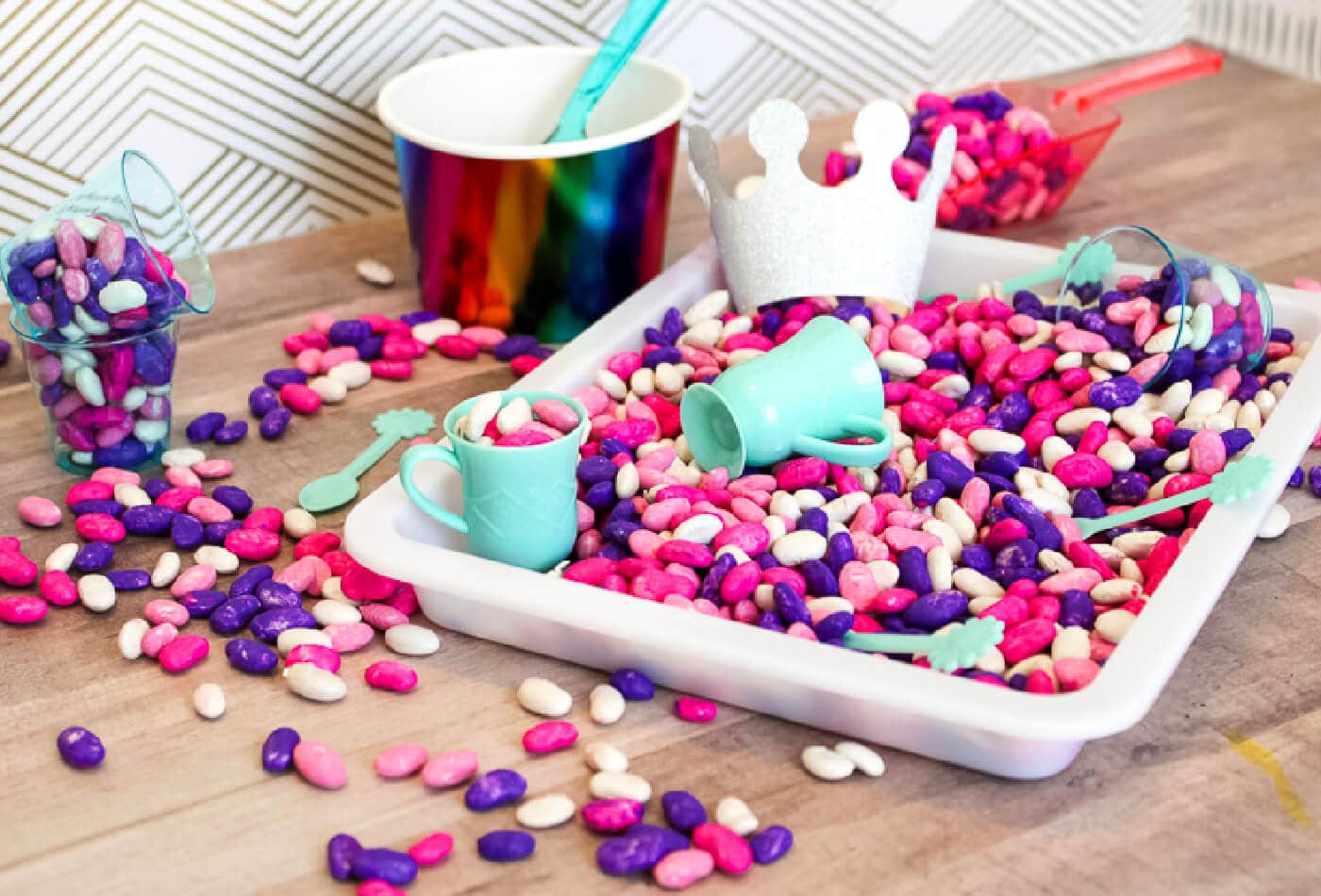
Painted lima beans
Princess Sensory Bin with Dyed Lima Beans
Pink, purple and white beans with tiaras, wands and a tea set for pretend play.
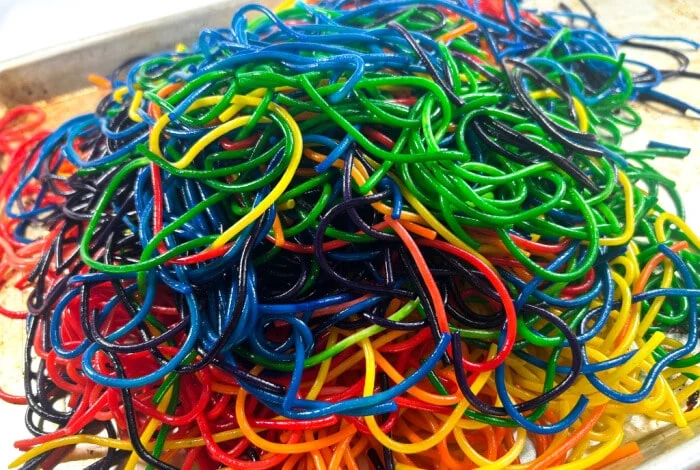
Cooked spaghetti
Spaghetti dyed six colors for pulling, squeezing and mixing.
Pantry first
Sensory Bin Fillers
Sensory bin fillers can be as simple as rice, dried chickpeas, pasta or plain water. Start with what you already have, then pick a bin that uses it.
Rice
Dye or paint ahead of time and let it dry.
Chickpeas
Paint in zip-top bags, then dry on wax paper.
Pasta
Paint the pasta shapes. Some bins add plain beans or lentils.
Water
No prep beyond filling the bin.
Snow and ice
Freeze colored ice cubes the day before.
Lima beans
Paint in zip-top bags and dry in a single layer.
How to color rice, chickpeas and pasta
Several of these bins use the same simple method, and each PDF has the exact amounts and colors:
- Put the filler in a zip-top bag with a little paint.
- Seal the bag and shake until every piece is coated.
- Spread it on wax paper on a cookie sheet to dry.
- Mix the colors in the bin.
The Pink Valentine’s Day Sensory Bin uses gel food coloring and hand sanitizer instead of paint.
Add a skill
Printable Sensory Bin Games
Once kids know how to play in a bin, hide printable cards in the filler and add a skill. These Club printables turn any bin into a matching game, a word hunt or telling time practice. Print, laminate and bury the cards in rice, beans or whatever filler you have.

Matching Sensory Bin: Polar and Arctic Animals
Hide the arctic animal cards and match each one to its spot on the mat.

Matching Sensory Bin: Fruit and Vegetable Farm Theme
Dig out the fruit and vegetable cards and match them to the mat.

Sight Words Sensory Bin: Valentine Theme
16 Valentine’s Day word hearts to find, read and write on the recording sheet.

Sight Words Sensory Bin: Marshmallow Theme
40 pre-primer sight word cards to dig out of marshmallows, then write or cross off.


Time Sensory Bin for Telling Time
Find a clock, its digital time and its word card, then match all three.
The two time bins are a good fit for first and second graders who are learning to tell time to the hour.
Setting Up a Sensory Bin
What you need
- A bin or shallow tub with sides
- A filler (see the filler cards above)
- Tools: scoops, measuring cups, spoons, tongs or tweezers
- A few theme toys or printable cards
Keep it safe
- Stay close while kids play. Dried beans, chickpeas, rice and small toys are choking hazards for children who still put things in their mouths.
- Use water bins and foam with an adult nearby, and empty water bins after play.
- Check the safety note in each PDF for that bin’s materials.
Sensory Bin Questions
What is a sensory bin?
A sensory bin is a container filled with a material kids can touch and move, like rice, chickpeas, water or snow, plus tools and toys for scooping, pouring and pretend play.
What ages are these sensory bins for?
These bins are written for preschool and kindergarten. Younger children can play with close supervision, and older kids can use the printable games to practice reading and math skills.
What skills do sensory bins build?
Every bin on this page practices fine motor skills: scooping, pouring and squeezing tongs or tweezers. Many also build language, as kids name what they find, and some add color sorting, counting or science talk. Each resource lists the skills it practices.
Can I reuse the filler?
Dry fillers like painted rice, chickpeas and pasta can be stored once they are fully dry and used again for another theme. Water, foam, fruit and snow bins are one-time bins.
Looking for more? Browse every sensory bin activity in the Club.